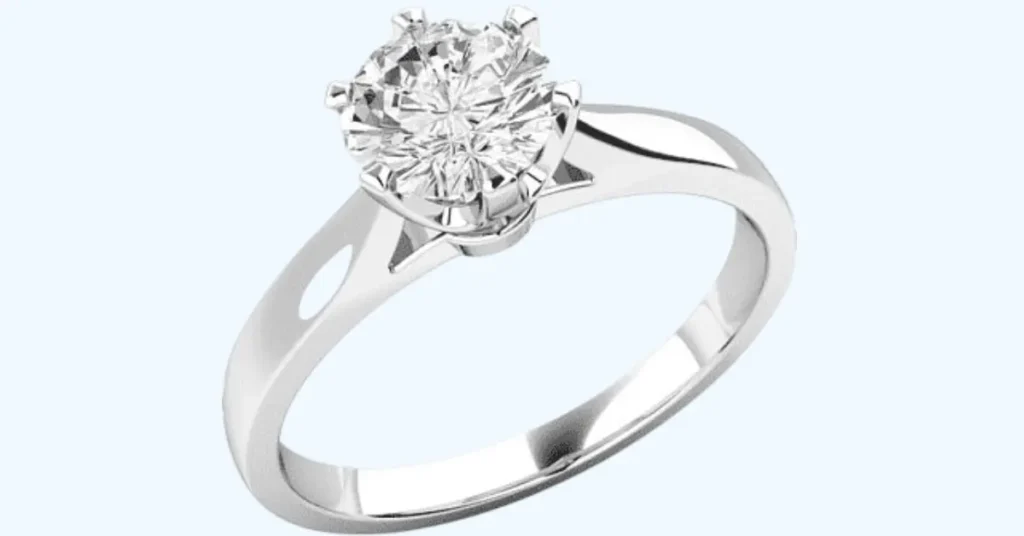
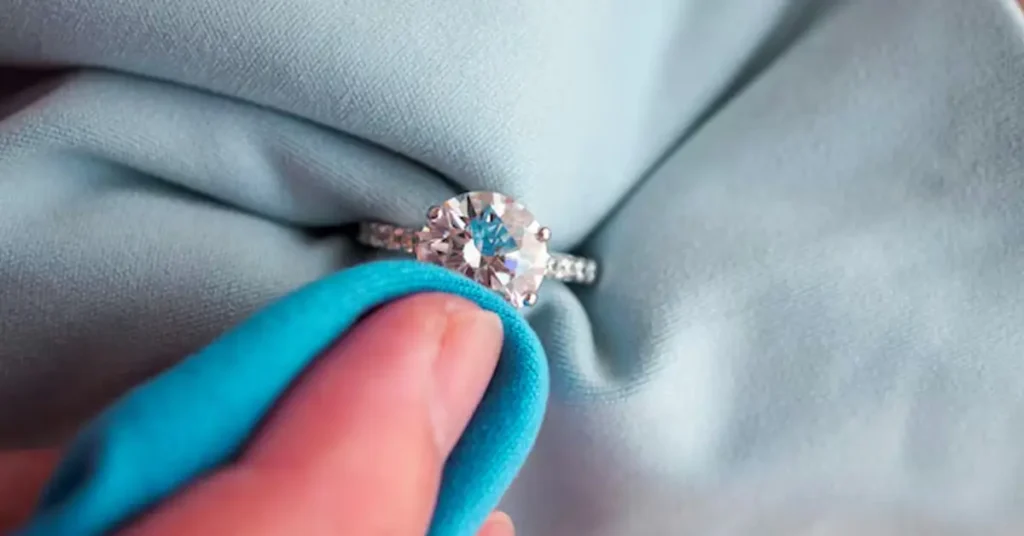
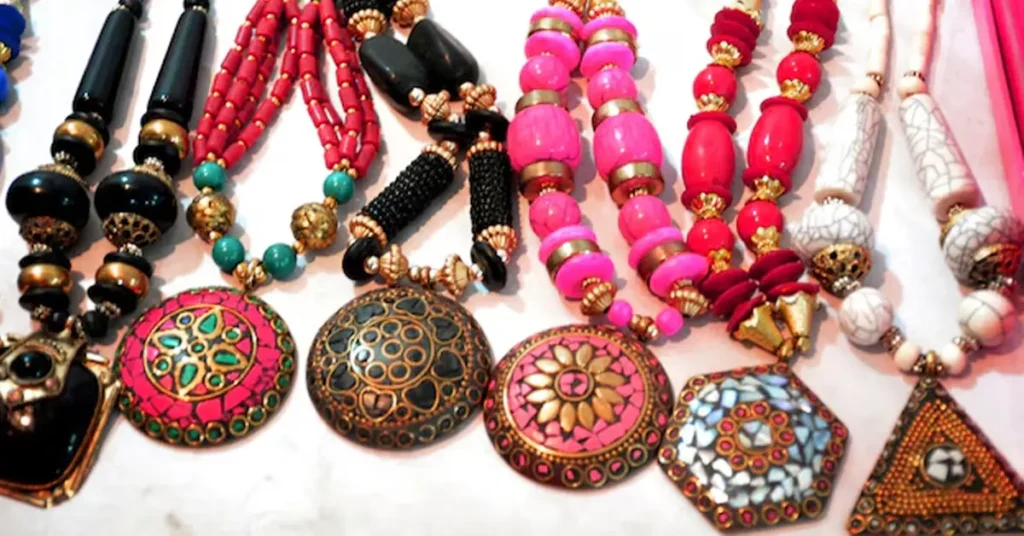
One of the most widely used metals in contemporary jewelry is white gold. It is created by combining white alloys like as silver, palladium, or nickel with pure gold. Its brilliant, silvery appearance from this blend makes it a popular option for necklaces, bracelets, and rings.
But what is white gold really, and how does it differ from yellow gold or platinum? Many people confuse it with silver or think it’s a completely separate metal. The truth is that white gold is still real gold, only enhanced to give a unique shine and durability.
For some, the biggest worry is skin irritation or the need for constant re-plating. Others feel unsure whether white gold is worth the price compared to platinum. Understanding what white gold is and its pros and cons will help you decide if it’s the right choice for your jewellery.
What is White Gold?
Real gold combined with additional white metals, such as silver, palladium, or nickel, is known as white gold. This mix gives it a shiny, silvery look that people love in jewellery. It is strong, stylish, and often used for rings and necklaces.
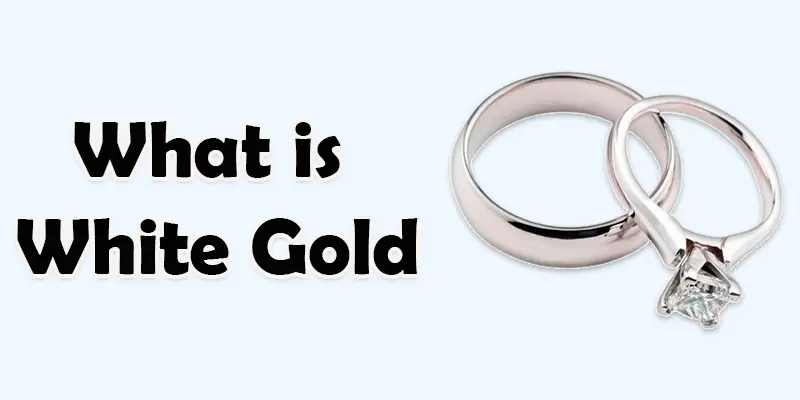
Is White Gold Real Gold?
Although it is combined with other metals to give it a brilliant white sheen, white gold is indeed real gold.
- Yes, white gold is real gold.
- It is created by combining white metals like as silver, palladium, or nickel with pure gold.
- The mixture turns a vivid silvery white instead of yellow.
- The gold content is measured in karats, just like yellow gold.
- White gold looks different but still holds the same value as real gold based on its purity.
The True Color of White Gold and Why It Changes Over Time
The vivid, silvery-white hue of white gold gives it a sophisticated, contemporary appearance. This color comes from mixing pure yellow gold with white metals. The final shine makes it a popular choice for engagement rings and fine jewellery.
Over time, white gold may start to show a faint yellow tint. This happens because the rhodium plating that gives it a shiny white coat wears off. Many people notice this change after regular use.
To keep its color bright, jewellers often replate white gold with rhodium. This process restores its silvery look and makes it appear brand new. White gold can retain its beauty for many years with the right maintenance.
White Gold vs Other Metals
White gold stands out from other metals because it combines real gold with alloys, giving it a unique look, strength, and style.
| White Gold | Yellow Gold | Platinum | Silver |
|---|---|---|---|
| Gold mixed with white metals. | Pure gold mixed with alloys. | Pure platinum. | Pure silver. |
| Silvery-white. | Yellow Natural. | white-grey. | Bright white but dulls quickly. |
| Strong, needs rhodium plating. | Softer, scratches easily. | Very durable and heavy. | Soft, bends easily. |
| Moderate, less than platinum. | Usually cheaper than white gold. | Expensive. | Affordable. |
| Light to medium. | Light. | Heavier than gold. | Light. |
| Needs re-plating over time. | Minimal maintenance. | Low maintenance. | Tarnishes, needs polishing. |
| May cause allergies (if nickel is used). | Usually safe. | Hypoallergenic. | It can cause skin reactions. |
| Bright, mirror-like with rhodium coating. | Warm, natural glow. | Naturally shiny, does not need plating. | Shiny but fades fast. |
| Very popular for engagement rings. | Traditional and timeless choice. | Luxury choice. | Common but less used in fine jewellery. |
| Modern elegance. | Classic and traditional love. | Prestige and exclusivity. | Simplicity. |
| Good, depends on karats and purity. | Good, based on purity. | Very high. | Lower than gold or platinum. |
| Modern jewellery styles. | Classic jewellery lovers. | High-end, long-lasting jewellery. | Every day, budget-friendly jewellery. |
Advantages and Disadvantages of White Gold
Before selecting white gold for your jewelry, it’s critical to understand its benefits and drawbacks.
Advantages of White Gold
- White gold looks modern and elegant.
- It is more affordable than platinum.
- Strong and durable for daily wear.
- Matches well with diamonds and gemstones.
- Has a bright, shiny finish with rhodium plating.
- Lightweight and comfortable to wear.
- Comes in different karats to fit budgets.
- Easy to style with both casual and formal outfits.
- Popular choice for engagement and wedding rings.
- Holds good resale value based on gold purity.
Disadvantages of White Gold
- Needs rhodium plating to keep its white shine.
- The plating wears off over time.
- It can show a yellow tint when plating fades.
- May cause skin allergies if nickel is used.
- Requires regular maintenance and care.
- Not as rare or prestigious as platinum.
- Scratches more easily than platinum.
- Re-plating adds extra cost over time.
- Value depends on gold content, not just appearance.
- Not the best option for people with sensitive skin.
How to Maintain and Care for Your White Gold Jewellery?
White gold needs extra care to keep its shine. The rhodium plating that makes it bright can fade with time. Regular cleaning helps it stay polished and beautiful.
To protect white gold, avoid harsh chemicals and rough use. Remove rings while swimming, cleaning, or working with strong products. This prevents damage and scratches.
Jewellers recommend re-plating white gold every few years. This restores its silvery look and keeps it looking brand new. Your white gold jewelry can last for many years if you take good care of it.
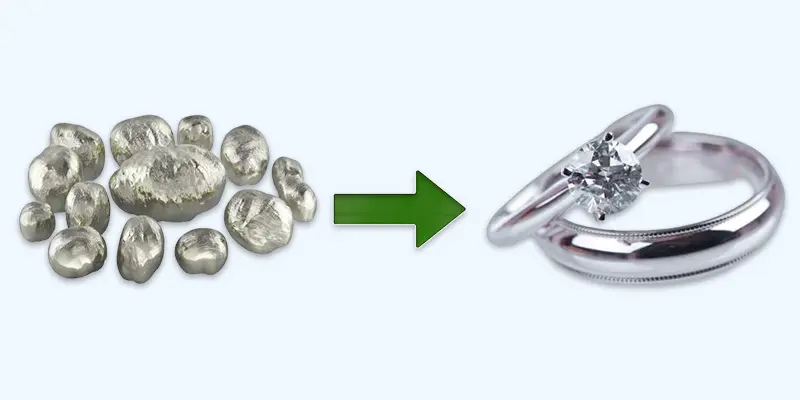
Understanding the Value and Pricing of White Gold Jewellery?
The value and pricing of white gold jewellery depend on its purity, weight, and design, making it important to know what affects its cost.
- The price of white gold depends on its karat (purity level).
- Higher karat means more pure gold and a higher cost.
- Alloys like nickel or palladium affect the final price.
- White gold is usually cheaper than platinum but costlier than silver.
- The weight of the jewellery also adds to the price.
- Rhodium plating adds extra cost but improves shine.
- Market gold rates change daily and impact pricing.
- Branded or designer white gold jewellery costs more.
- Resale value depends on gold content, not plating.
- White gold offers a blend of elegance and affordability.
Is White Gold Right for You?
White gold is a great choice if you love modern, elegant jewellery. Its bright shine matches well with diamonds and gemstones. It also costs less than platinum while still looking luxurious.
If you have sensitive skin, check the alloys in your white gold. Some pieces may contain nickel, which can cause irritation. Choosing nickel-free options makes it safer for daily wear.
White gold does need care, like re-plating every few years. If you don’t mind a little maintenance, it can stay beautiful for a long time. This makes it a smart pick for both daily wear and special occasions.
How White Gold is Used in Jewellery?
White gold is widely used in jewellery because of its modern look, making it a top choice for rings, necklaces, earrings, and more.
- Engagement rings and wedding bands.
- Earrings with diamonds or gemstones.
- Elegant necklaces and pendants.
- Stylish bracelets and bangles.
- Luxury watches with white gold detailing.
- Designer jewellery collections.
- Statement cocktail rings.
- Minimalist daily wear jewellery.
- Matching jewellery sets (ring, earring, pendant).
- Anniversary or special occasion gifts.

Conclusion About What is White Gold Made of?
How White Gold is Used in Jewellery shows its beauty and versatility in modern designs. I recommend white gold if you want something elegant yet affordable compared to platinum. If you’re still wondering what is white gold and whether it’s right for you, explore trusted jewellers and see the difference for yourself.
FAQS – White Gold Explained
What is so special about white gold?
White gold has a bright, silvery shine that looks modern and elegant. It pairs well with diamonds, making it a favorite for engagement and wedding rings.
How long does white gold last?
With good care and regular re-plating, white gold can last for many years. It stays strong and beautiful for everyday wear.
Is white gold better than silver?
Yes, white gold is stronger and lasts longer than silver. It also keeps its shine better and doesn’t tarnish as quickly.
What to avoid with white gold?
Avoid harsh chemicals, chlorine, and strong cleaners. These can damage the rhodium plating and make white gold lose its shine.
How to clean white gold?
Clean white gold gently with mild soap and warm water. Use a soft cloth or brush, and avoid harsh scrubbing.
Which metal is better for daily wear?
Platinum is the best for daily wear because it is stronger and heavier. But white gold is also a good choice with proper care.
How to identify real white gold?
Look for a hallmark stamp like 10K, 14K, or 18K inside the jewellery. A jeweller can also test it to confirm if it’s real.
Can I use toothpaste to clean white gold?
No, toothpaste is too harsh and can scratch white gold. Always use mild soap and a soft brush instead.
Does alcohol damage white gold?
Yes, strong alcohol or chemicals can damage the rhodium plating. It is better to use gentle cleaners for white gold jewellery.