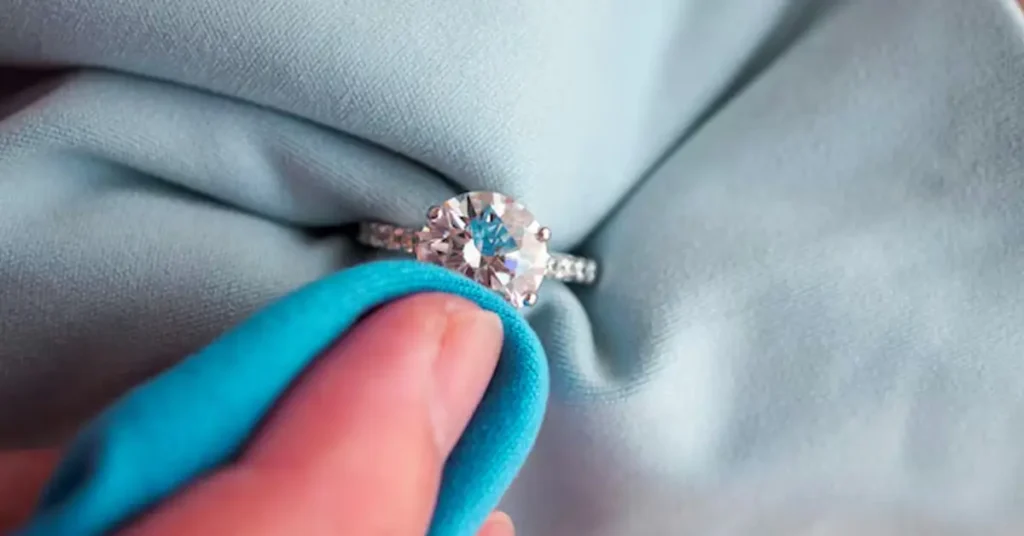
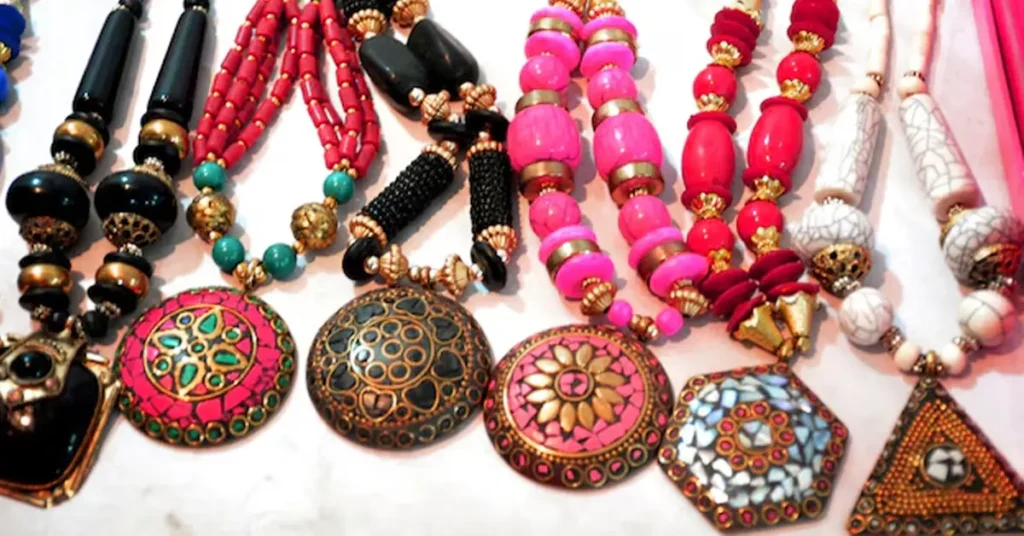
Yes, Sterling silver tarnishes over time when exposed to air, moisture, or chemicals, forming a dull or dark layer.
You’ve just bought a stunning sterling silver ring or necklace, and it’s shining like new. But after a few weeks or months, you notice something disappointing: the bright silver has started to turn dull, maybe even a little black. If you’re like most people, your first thought is, “Did I buy fake silver?” or “Is my jewelry ruined?” Don’t worry, you’re not alone. Tarnishing is one of the most common problems sterling silver owners face, and it can feel frustrating when you don’t know why it happens or how to stop it.
The good news is, tarnish doesn’t mean your jewelry is low quality or beyond saving. In fact, it’s a natural process that can be slowed down or even reversed with the right care. In this guide, we’ll answer your biggest question, does sterling silver oxidize, and show you exactly why it happens, how to prevent it, and the best ways to keep your silver looking beautiful for years. Say goodbye to dull, dark jewelry and hello to that fresh, mirror-like shine you love.
What Is Sterling Silver?
Sterling silver is a popular metal used in jewelry, tableware, and decorative pieces. It’s made by mixing pure silver with a small amount of another metal, usually copper. This mix makes sterling silver stronger and more durable than pure silver, which is too soft for everyday use. Jewelry made from sterling silver is often stamped with “925,” showing it carries 92.5% pure silver and 7.5% other metals.
Difference Between Pure Silver And 925 Sterling Silver
Pure silver, also called fine silver, carries 99.9% silver. While it has a beautiful shine, it’s very soft and easily bends or scratches. That’s why it’s not ideal for items you use or wear often. On the other hand, 925 sterling silver is 92.5% pure silver combined with 7.5% copper or other metals. This mixup keeps the bright look of silver but adds strength, making it perfect for rings, necklaces, bracelets, and other jewelry that lasts longer.
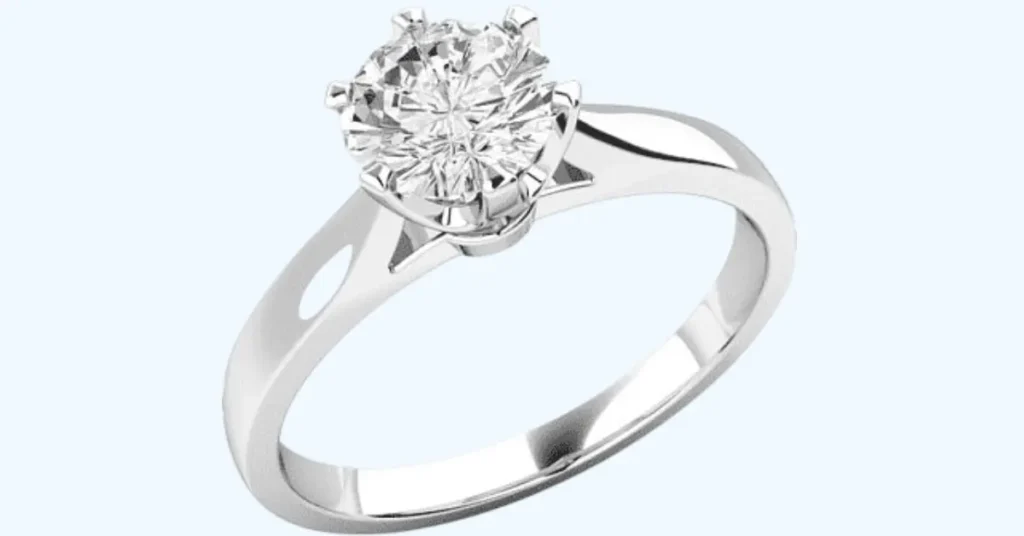
What Is Tarnish?
Tarnish is a thin, dull layer that forms on the surface of metals like sterling silver over time. It happens when the metal reacts with sulfur, oxygen, or moisture in the air. This reaction changes the color of the silver, making it look dark, yellow, or even black. While tarnish can make jewelry look old, it doesn’t damage the silver permanently and can be cleaned off.
Tarnish vs. Patina
Tarnish and patina are often confused, but they’re not the same. Tarnish is an unwanted discolouration that makes metal look dull and dirty. Patina, on the other hand, is a natural finish that some people find attractive; it can give silver or copper a vintage, antique look. While tarnish is usually removed, patina is sometimes kept to add character.
Tarnish vs. Rust
Rust forms on iron or steel when it reacts with water and oxygen, creating a reddish-brown flaky coating. Tarnish, however, forms on metals like silver, copper, or brass and appears as a dull or dark surface layer. The key difference is that rust eats away at the metal over time, while tarnish only affects the surface and can be polished away.
Understanding Sterling Silver And Tarnish
Sterling silver is more likely to tarnish than pure silver because of the other metals mixed into it, especially copper. Copper reacts easily with sulfur and moisture, speeding up tarnish formation. This is why sterling silver jewelry can lose its shine faster if it’s not stored or cleaned properly. Understanding how tarnish forms is the first step to preventing it and keeping your jewelry looking new.
Why Does Sterling Silver Tarnish?
Sterling silver tarnishes because it carries 92.5% pure silver and 7.5% other metals, mainly copper. While pure silver doesn’t easily react with air, copper does. When copper comes into contact with sulfur, moisture, or certain chemicals in the environment, it forms a dark layer on the surface; this is tarnish.
Everyday things like air pollution, humidity, sweat, perfumes, and even certain foods can speed up this reaction, causing your silver to lose its bright shine over time.
Why Does Sterling Silver Change into Black or Green?
Sterling silver can turn black when it reacts with sulfur or oxygen in the air, creating a layer of tarnish. This reaction is natural and happens faster in humid environments or when exposed to chemicals like perfumes and cleaning products. In some cases, the metal may leave a green tint, especially if your skin’s natural oils and sweat react with the copper in the silver.
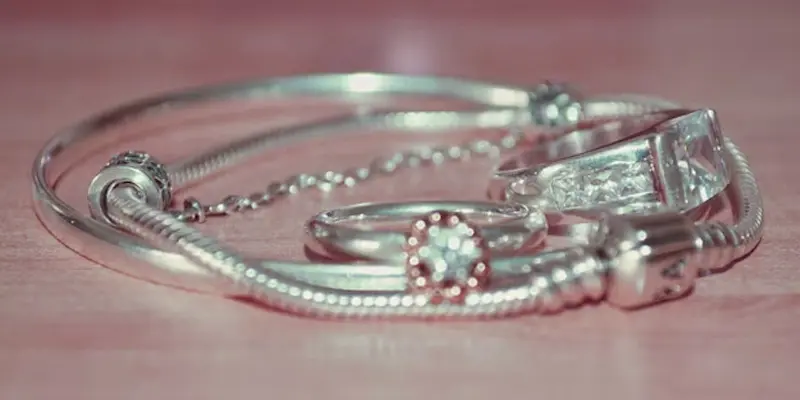
Why Does Sterling Silver Change Skin Green?
The green color on your skin comes from a reaction between the copper in sterling silver and acids or salts from your skin, lotions, or sweat. This creates copper salts, which can transfer to your skin and leave a green stain. It’s harmless and can be washed off easily, but it’s a sign that your jewelry is reacting to moisture and chemicals in your environment.
How Can I Prevent My Fingers From Turning Green?
To prevent your fingers from turning green, keep your sterling silver jewelry dry and clean. Avoid wearing it while swimming, showering, or exercising, as moisture and sweat speed up the reaction with copper. You can also use a light layer of clear nail polish or a jewelry sealant on the inside of rings to create a barrier between your skin and the metal.
How Long Does It Take for Sterling Silver to Tarnish?
The time it takes for sterling silver to tarnish depends on how and where it’s worn or stored. In humid areas or when exposed to sweat, perfumes, and chemicals, tarnish can appear within weeks. In dry, low-humidity conditions with proper care, sterling silver can keep its shine for months or even years before showing signs of tarnish.
How to Prevent Sterling Silver from Tarnishing
Keeping your sterling silver bright and shiny is all about proper care and storage. Here are the best ways to slow down tarnishing:
- Store it properly – Keep your jewelry in airtight bags or anti-tarnish boxes to protect it from air and moisture.
- Keep it dry – Remove silver before swimming, showering, or exercising to prevent moisture damage.
- Avoid revealing it to chemicals – Perfumes, lotions, cleaning products, and hairsprays can react with silver and speed up tarnish.
- Limit exposure to air – When not in use, seal your silver in a container to reduce oxidation.
- Take extra care of larger and intricate pieces – These designs trap dirt and moisture more easily, so clean them gently and regularly.
- Limit handling of tarnish-causing foods – Sulfur-rich foods like eggs, onions, and mustard can discolor silver.
- Store your silver jewelry in a cool, dry spot – Avoid humid places like bathrooms.
- Avoid harsh chemicals – Keep silver away from bleach, chlorine, and strong cleaners.
- Clean and polish sterling silver – Use a soft polishing cloth or a silver-safe cleaner to maintain its shine.
Can Sterling Silver Get Wet?
Yes, it can get wet, but frequent exposure to water can speed up tarnishing. Clean water itself isn’t harmful, but chemicals in swimming pools, hot tubs, or even tap water can react with the metal. To keep your silver look best, it’s a good idea to dry it thoroughly after it gets wet and avoid wearing it during activities that involve water for long periods.
Why Can You Use Water to Clean Sterling Silver if You Shouldn’t Get It Wet?
Water is safe to use when cleaning sterling silver as long as you dry the piece completely afterward. The problem its not waterproof itself, but leaving moisture on the surface, which can lead to tarnish over time. When cleaning, use mild soap and water, rinse well, and gently pat dry with a soft cloth to prevent damage.
Can I Wear Sterling Silver Everyday?
Yes, you can wear welded silver every day, but it will need regular care to maintain its shine. Daily wear exposes silver to sweat, lotions, perfumes, and environmental factors that can speed up tarnishing. Cleaning it often and storing it properly when not in use will help keep it looking beautiful.
Does Sterling Silver Rust?
No, this silver does not rust because rust is a reaction that only happens to iron and steel. Instead, silver develops tarnish, which is a dark layer caused by a reaction with sulfur, oxygen, or moisture. Unlike rust, tarnish does not damage the metal permanently and can be cleaned off easily.
How to Remove Tarnish
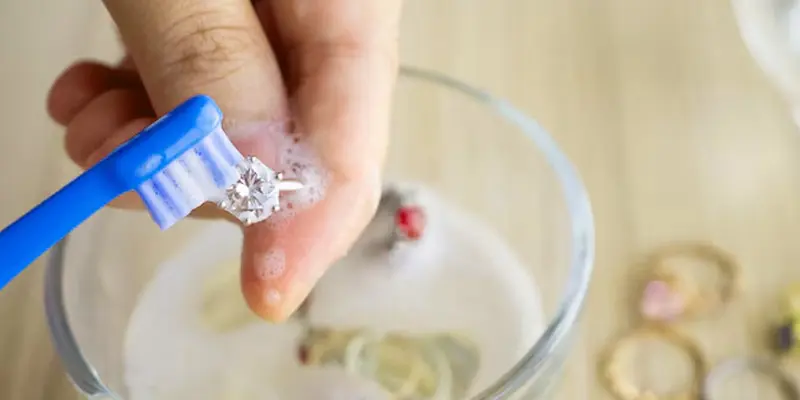
To clean tarnish from sterling silver, start with a gentle polish using a soft silver-cleaning cloth. For deeper tarnish, soak the piece in a mix of warm water and mild dish soap, then lightly scrub with a soft toothbrush. You can also use a silver polish or a baking soda and water paste for tougher spots, but always rinse and dry thoroughly to prevent new tarnish from forming.
Debunking Sterling Silver Tarnish Myths
There are many myths about sterling silver tarnish that can confuse jewelry owners. Some believe that sterling silver doesn’t tarnish at all, while others think tarnish means the silver is fake or ruined. In reality, tarnish is a natural surface reaction that occurs when copper in the alloy reacts with sulfur, moisture, or chemicals. Understanding the truth helps you care for your jewelry properly and keep it looking beautiful for years.
Conclusion: Shine That Lasts a Lifetime
Tarnish may be a natural part of owning sterling silver, but it doesn’t have to steal your jewelry’s beauty. With the right care, like keeping it dry, storing it properly, and cleaning it regularly, you can slow down tarnishing and keep your favorite pieces looking bright and new. Remember, a little attention goes a long way, and your silver will reward you with years of shine. So, wear it with confidence, care for it with love, and let your sterling silver sparkle every time you put it on.
FAQs – Bring Back Your Sterling Silver Sparkle
How do I keep sterling silver from tarnishing?
You can slow tarnishing by keeping sterling silver dry, storing it in airtight containers, and avoiding chemicals like perfumes or lotions. Regular cleaning with a silver polishing cloth also helps maintain its shine. Anti-tarnish strips in your jewelry box can provide extra protection.
Is sterling silver ok to shower with?
It’s best to avoid showering with sterling silver, as water and soap can speed up tarnishing. Over time, moisture can dull the shine and cause discoloration. Removing your jewelry before showering keeps it looking bright for longer.
Will real sterling silver tarnish?
Yes, real sterling silver will tarnish because it contains copper, which reacts with sulfur, moisture, and air. This reaction creates a dark layer on the surface, but it can be cleaned easily without damaging the metal.
What type of silver will not tarnish?
Pure silver, or fine silver (99.9% silver), tarnishes much more slowly than sterling silver. Some silver jewelry is coated with rhodium or other protective finishes, which also help prevent tarnish.
How long does sterling silver last?
Sterling silver can last a lifetime or longer with proper care. Tarnish only affects the surface and can be removed, so the metal itself remains strong and beautiful for many years.
Can you remove tarnish from silver?
Yes, tarnish can be removed from silver using a polishing cloth, mild soap and water, or a silver cleaner. For stubborn tarnish, a baking soda paste or professional cleaning can restore the shine.
Does wearing sterling silver prevent tarnish?
Yes, wearing sterling silver often can help slow tarnish because the friction from movement keeps it polished. However, you should still avoid contact with chemicals and moisture to keep it in top condition.
Why does sterling silver turn skin green?
Sterling silver contains copper, and when copper reacts with moisture, sweat, or skincare products, it can leave a green tint on your skin. This is harmless and can be prevented by keeping the jewelry dry or applying a clear jewelry coating.
Is tarnish on sterling silver permanent?
No, tarnish is not permanent. It’s simply a surface reaction that can be cleaned away using polishing cloths, mild cleaners, or professional cleaning methods, restoring the jewelry’s original shine.