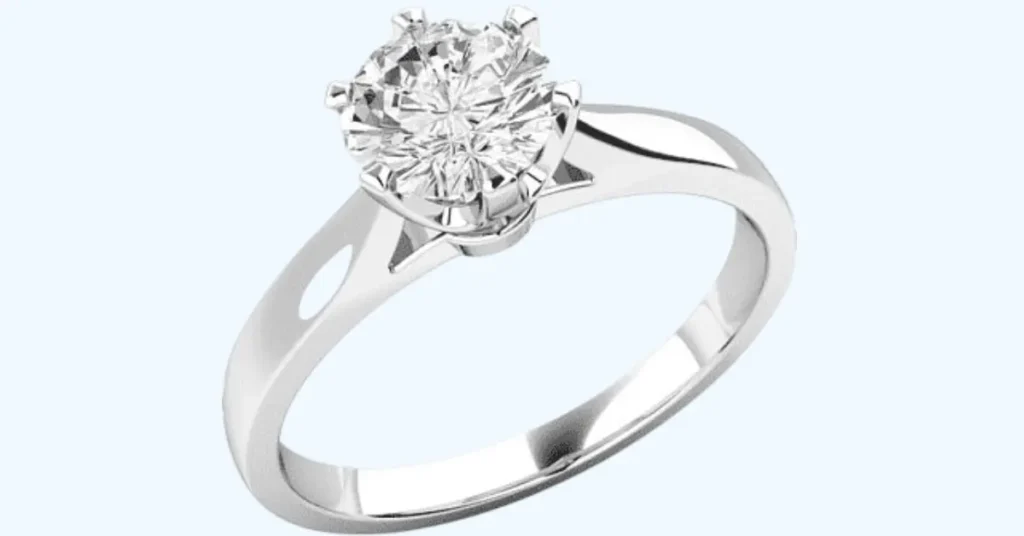
Sterling silver is popular in jewellery for its shine, strength, and beauty, making it one of the most commonly used metals. This mix makes sterling silver both elegant and practical for daily wear.
But here’s the common confusion what is sterling silver really, and how is it different from pure silver? Many people mistake silver-plated or fake pieces for real sterling silver. Knowing the truth helps you avoid low-quality jewelry and choose pieces that last longer.
If you’ve ever struggled with tarnished rings, green marks on your skin, or uncertainty about whether your jewelry is real, you’re not alone. Sterling silver answers these problems by offering beauty, value, and lasting quality at an affordable price. So, what is sterling silver? Let’s explore it in detail.
Understanding Silver and Sterling Silver
It is made from 92.5% pure silver blended with 7.5% other metals, usually copper, to add extra durability.
What is Silver?
- A natural precious metal found in the earth.
- Known for its bright, shiny appearance.
- Soft in its pure form, which makes it less durable for daily use.
What is Sterling Silver?
- To know why jewellery sparkles, it’s important to understand the difference between pure silver and sterling silver.
- More robust and long-lasting than pure silver.
- Lends solidity to everyday objects and jewelry while maintaining the gleam of silver.
Is Sterling Silver Real?
- Sterling silver is genuine silver, yes.
- The “925” stamp or hallmark shows it has 92.5% pure silver.
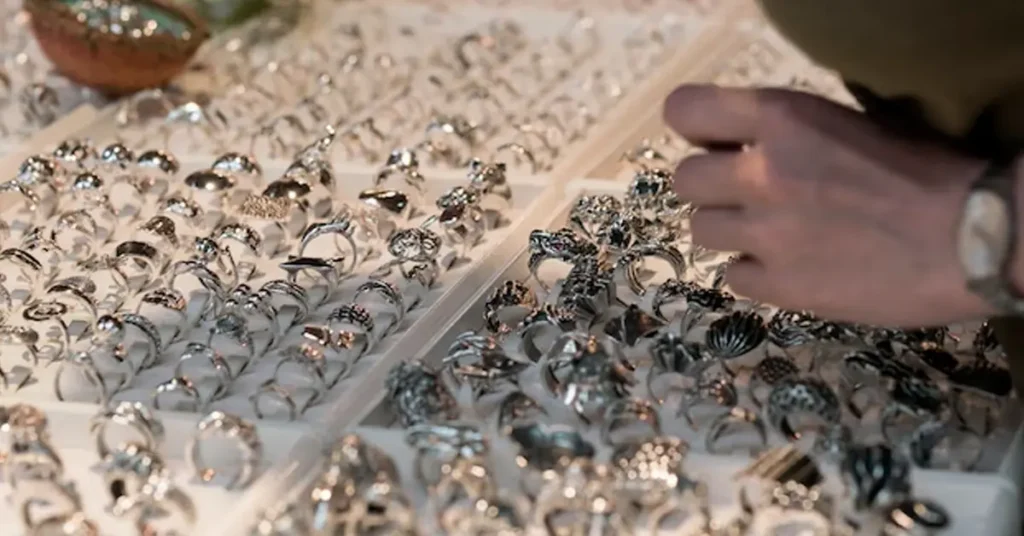
- Not to be confused with silver-plated or fake silver.
Sterling Silver vs. Pure Silver
Sterling silver vs. pure silver is a common comparison, and knowing the difference helps you choose the right metal for your jewelry.
| Sterling Silver | Pure Silver |
|---|---|
| Silver (92.5%) and additional metals (typically copper) (7.5%). | 99.9% pure silver. |
| Strong and long-lasting. | Soft and bends easily. |
| Commonly used for rings, necklaces, and bracelets. | Rarely used for jewelry due to its softness. |
| It can tarnish over time, but easy to clean. | Less likely to tarnish, but scratches quickly. |
| Harder and more resistant to daily wear. | Softer and delicate. |
| More affordable than pure silver. | More expensive due to higher purity. |
| Usually stamped with “925”. | Usually stamped with “999”. |
| Shiny and polished, similar to pure silver. | Slightly brighter and more lustrous. |
| Slightly lighter due to added metals. | Heavier in pure form. |
| Perfect for everyday jewelry and accessories. | Better for collectibles, coins, and investments. |
Testing and Identification
Knowing if your jewelry is real sterling silver is important before you buy or wear it. Genuine sterling silver usually comes with a “925” stamp, showing it has 92.5% pure silver. A simple magnet test also helps, since real silver is not magnetic.
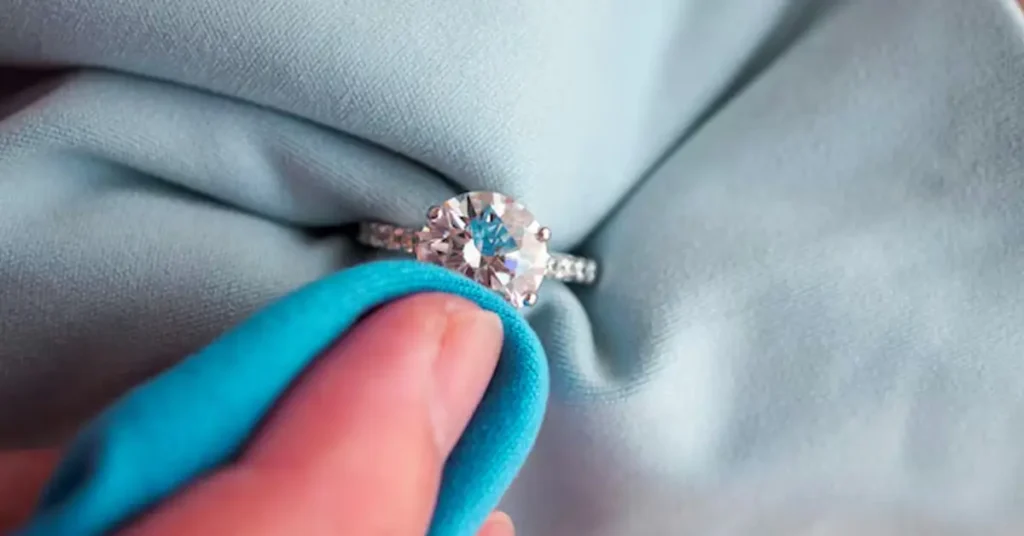
You can also check by gently rubbing the jewelry with a soft cloth. Real sterling silver may leave a slight black mark, which is normal. If you’re unsure, professional jewelers can test it to confirm its authenticity.
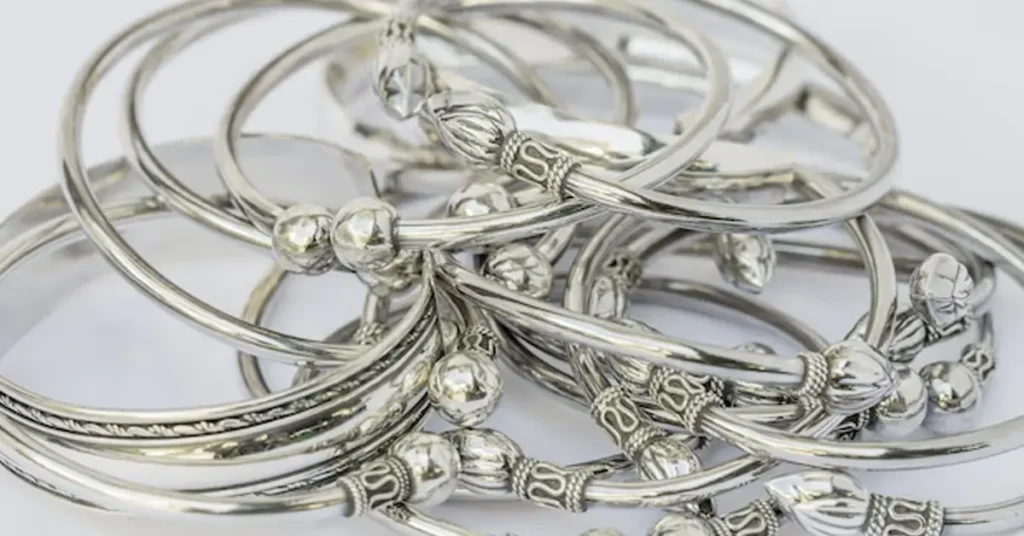
Properties and Uses of Sterling Silver
Sterling silver is loved not only for its beauty but also for its strong properties and wide uses in jewelry and daily life.
Properties of Sterling Silver
Sterling silver’s special qualities make it both aesthetically pleasing and useful for daily use.
- Composed of 7.5% additional metals and 92.5% pure silver.
- Stronger and harder than pure silver.
- Has a bright, shiny, and reflective surface.
- Softer than stainless steel but more elegant.
- Lightweight and comfortable for daily wear.
- Hypoallergenic when made without nickel.
- Flexible enough to craft into detailed designs.
- Tarnishes over time but can be cleaned easily.
- Resistant to scratches compared to pure silver.
- Carries a “925” stamp as proof of authenticity.
- Affordable compared to gold and platinum.
- It can be polished back to a like-new shine.
Uses of Sterling Silver
Sterling silver is used in many ways, from fine jewelry to home décor, making it one of the most versatile precious metals.
- Widely used in rings, earrings, necklaces, and bracelets.
- Common in men’s jewelry, like chains and cufflinks.
- Used in luxury watches and watch bands.
- Popular in engagement and wedding rings.
- Crafted into coins and collectible items.
- Used in high-end cutlery and utensils.
- Found in decorative home items like trays and bowls.
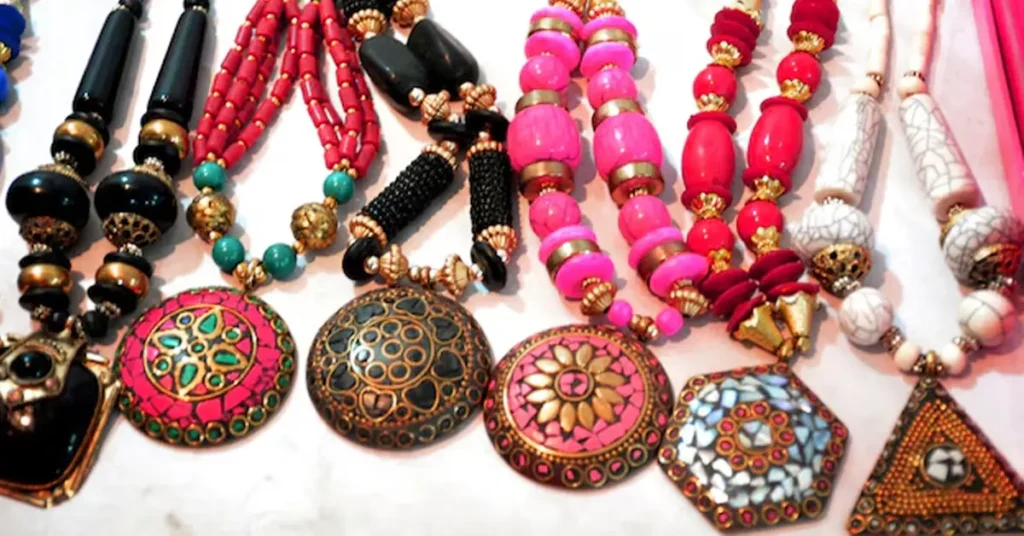
- Used in religious or cultural ornaments.
- Common in antique and heritage jewelry.
- Sometimes used in medals and trophies.
- Valued as an investment in silverware.
- Applied in electronics for its conductivity.
- Favored in modern sustainable jewelry designs.
Care and Maintenance
Taking care of sterling silver keeps it shining and beautiful for years. Regular cleaning removes dirt and prevents tarnish from building up. A soft cloth or silver polish works best for daily care.
Storing sterling silver properly is just as important. Keep pieces in a dry place, away from moisture and sunlight. Using airtight bags or anti-tarnish pouches helps protect them.
Avoid harsh chemicals like perfumes, lotions, or cleaning products. These can speed up tarnishing and damage the metal. With gentle care, your sterling silver jewelry will stay bright and last a lifetime.
Durability and Value
Sterling silver gives the right mix of strength and value, making it a smart option for everyday wear and lasting use.
Durability of Sterling Silver
The durability of sterling silver makes it strong enough for daily wear while still keeping its elegant shine.
- Stronger than pure silver due to added metals.
- Suitable for daily wear like rings, chains, and bracelets.
- Resists bending and scratches better than pure silver.
- It can last for decades with proper care.
- May tarnish over time, but can be cleaned easily.
- Stays shiny with regular polishing.
- Withstands moderate pressure without breaking.
Value of Sterling Silver
The value of sterling silver lies in its mix of beauty, quality, and affordability, making it a favorite in jewelry worldwide.
- More affordable than gold or platinum.
- Higher value than silver-plated jewelry.
- Recognized globally for its “925” purity mark.
- Holds resale value in the market.
- Popular in both fashion and fine jewelry.
- Balances beauty, durability, and price.
- Considered a smart choice for budget-friendly luxury.
Comparisons with Other Metals
Comparing sterling silver with other metals like gold, stainless steel, and white gold helps you see which option best fits your style and budget.
| Sterling Silver | Gold | Stainless Steel | White Gold |
|---|---|---|---|
| 7.5% metals or 92.5% silver. | Pure gold mixed with alloys. | Iron, chromium, and nickel mix. | Gold mixed with white metals + rhodium plating. |
| Strong but can tarnish. | Softer, scratches easily. | Very strong, rust-resistant. | Durable, but rhodium plating may wear off. |
| Bright, shiny, classic silver look. | Yellow and lustrous. | Greyish, modern metallic look. | White, shiny, similar to platinum. |
| Tarnishes over time, easy to clean. | Does not tarnish, but soft. | Does not tarnish or rust. | Does not tarnish, but may need re-plating. |
| Affordable. | Expensive. | Very affordable. | More expensive than silver, cheaper than platinum. |
| Popular in rings, earrings, and necklaces. | Common in high-end jewelry. | Used in modern, casual jewelry. | Used in engagement rings and fine jewelry. |
| Usually hypoallergenic (nickel-free). | Hypoallergenic. | May cause allergies if nickel is present. | Hypoallergenic. |
| Good balance of price and beauty. | High resale and investment value. | Low resale value. | Holds value, but less than yellow gold. |
| Lightweight and comfortable. | Heavier. | Light to medium. | Medium weight. |
| Everyday stylish and budget-friendly wear. | Investment and luxury jewelry. | Durable, low-cost fashion pieces. | Elegant, long-lasting special jewelry. |
Sustainability and Modern Use
Sterling silver is not only stylish but also a sustainable choice. It can be recycled and reused without losing its quality. This makes it an eco-friendly metal for conscious buyers.
Today, many jewelers use recycled sterling silver to reduce waste and support the environment. Modern techniques also make designs more creative and affordable. This blend of beauty and responsibility makes it highly popular.
From minimalist everyday pieces to bold statement jewelry, sterling silver fits every trend. Its timeless shine and sustainable appeal ensure it stays in fashion for generations.
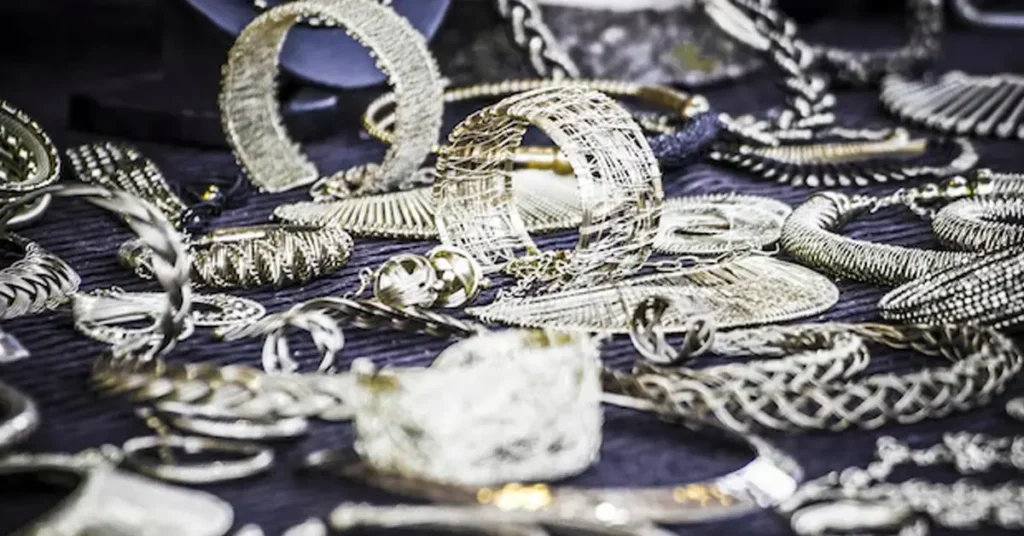
Conclusion About Sterling Silver Mean
Many jewelry enthusiasts wonder what sterling silver is, and now you understand why its strength, beauty, and affordability make it so valuable. I personally recommend choosing sterling silver if you want elegant pieces that last without breaking the bank. Explore trusted jewelers and add timeless sterling silver to your collection today.
FAQS – Meaning of Sterling Silver
Is gold or sterling silver better?
Gold is more valuable and does not tarnish, but it is expensive. Sterling silver is affordable, stylish, and strong, making it better for budget-friendly jewelry. Gold is more valuable and does not tarnish, but it is expensive. Sterling silver is affordable, stylish, and strong, making it better for budget-friendly jewelry.
Which silver does not turn black?
Pure silver does not tarnish much, but it is too soft for jewelry. Sterling silver can turn black over time, but with care and polishing, it stays shiny.
Which silver is best for investment?
Pure silver (99.9%) is better for investment because it has higher purity and value. Sterling silver is better for jewelry, not for storing wealth.