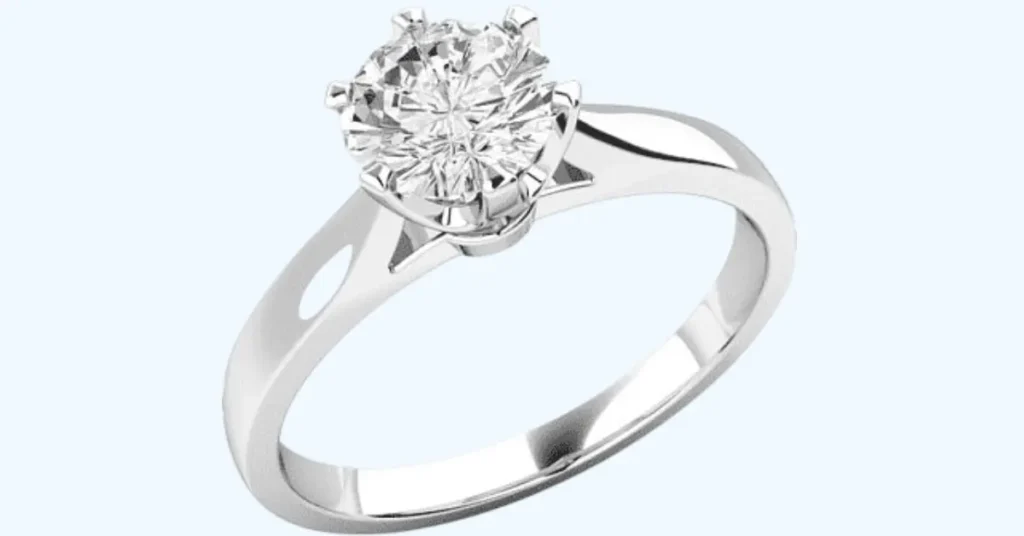
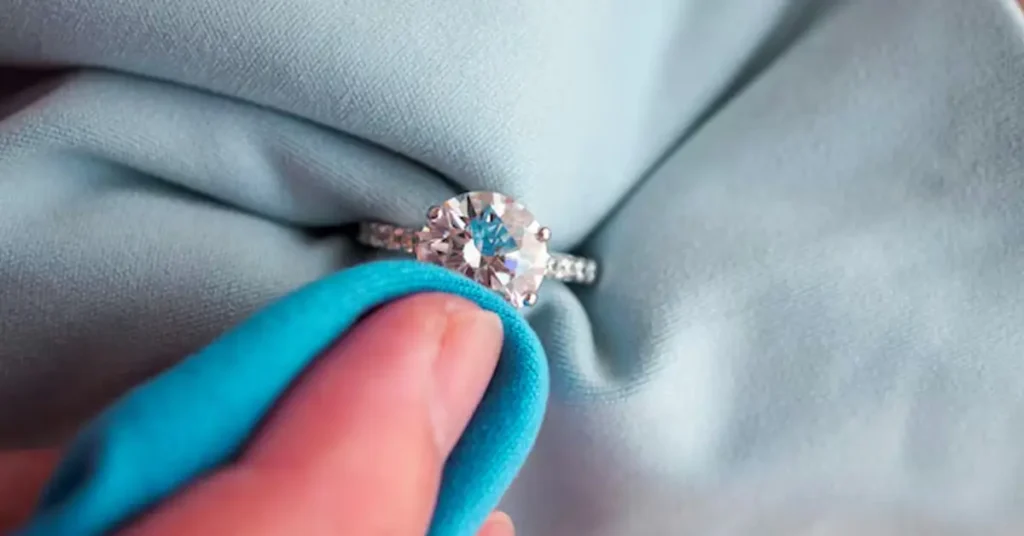
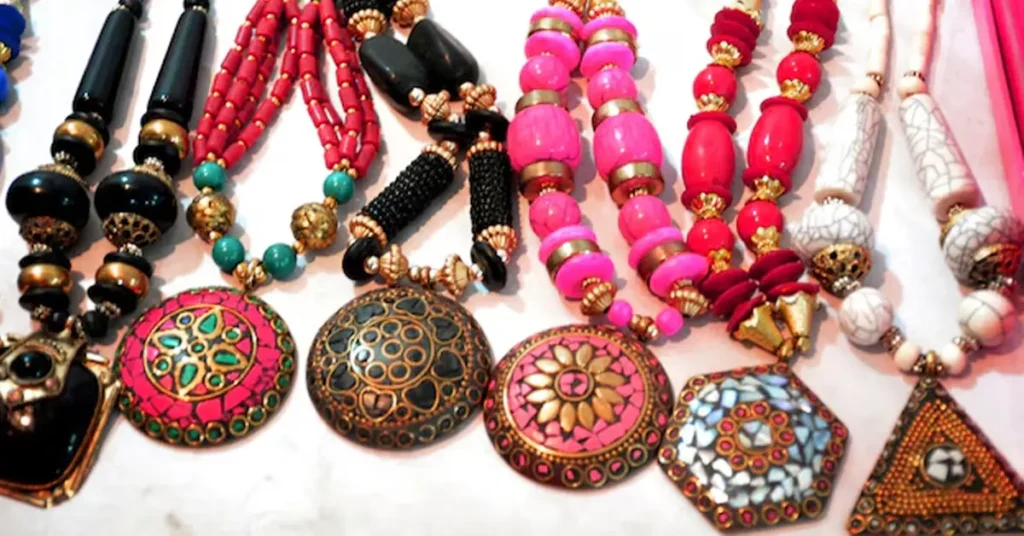
At first glance, sterling silver and silver-plated items look almost the same, both are shiny, elegant, and stylish. But the key difference lies in what they are made of. Sterling silver is mostly pure silver (92.5%) mixed with a small amount of other metals to make it stronger. Silver-coated items, on the other hand, have only a slight layer of silver on top of a common metal like copper, brass, or nickel.
This difference affects more than just the price. Sterling silver is durable, long-lasting, and valuable, making it ideal for daily use or as an investment. Silver-plated items are affordable and look like silver, but the coating can wear off, peel, or tarnish much faster. Without knowing the difference, it’s easy to overpay for plated items or worry about buying real silver.
In this guide, we’ll walk you through how to identify real silver, compare sterling silver vs silver-plated items, and care for them properly. You’ll learn simple tests you can do at home, understand what silver buyers look for, and discover the best choices for daily wear, investment, or budget shopping. By the end, you’ll be able to shop for silver confidently, avoiding scams and making the most of your purchase.
What Is Fine Silver?
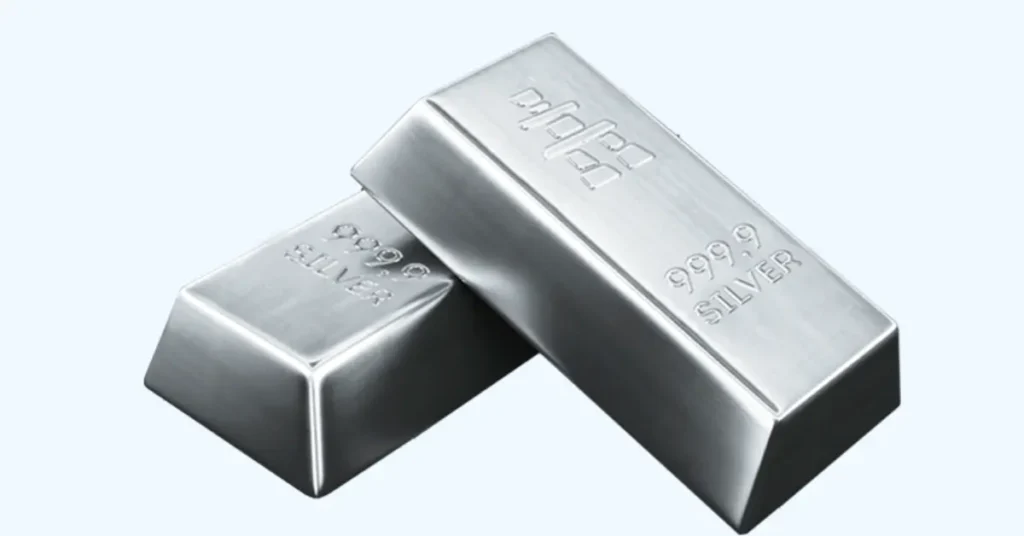
Fine silver is the purest form of silver used in jewelry and other items. It is made up of 99.9% real silver and a very tiny amount of other metals. Because of this, it is sometimes called pure silver or marked as .999.
While fine silver has a bright, shiny look, it is also very soft and can bend or scratch easily. That is why you don’t see it often in everyday jewelry like rings or bracelets. Instead, fine silver is usually used in coins, bars, or collector’s pieces where it won’t get much wear and tear.
In simple words, fine silver is pure and beautiful but not strong enough for daily use. That’s the reason why sterling silver is more common in jewelry, as it balances both beauty and durability.
What Is Sterling Silver?
Sterling silver is one of the most popular types of silver used in jewelry and household items. It is made of 92.5% pure silver combined with 7.5% alloy, usually copper. This mix makes sterling silver stronger than fine silver, which is too soft for daily wear. Because of this, sterling silver is often marked with a “925” stamp to show its purity.
Sterling silver has a bright shine and a smooth finish, but it’s also durable enough to handle everyday use. That’s why you’ll see it in rings, necklaces, earrings, cutlery, and even decorative items. While it can tarnish with time when uncover to air or moisture, the good news is that it can be cleaned and polished back to its original beauty.
In simple words, sterling silver gives you the best of both worlds: the shine of real silver and the strength needed for long-lasting jewelry. That’s why it remains a top choice for buyers around the world.
What Are The Pros And Cons Of Sterling Silver?
| Pros | Cons |
|---|---|
| Durable and strong | Can tarnish over time |
| Long-lasting shine | Needs regular polishing |
| Hypoallergenic for most people | Softer than gold or platinum; may scratch or bend |
| Can be resold for silver value | Higher cost compared to silver-plated items |
| Versatile: jewelry, cutlery, coins, decor | |
| Easy to clean and maintain |
What Is Silver-Plated?
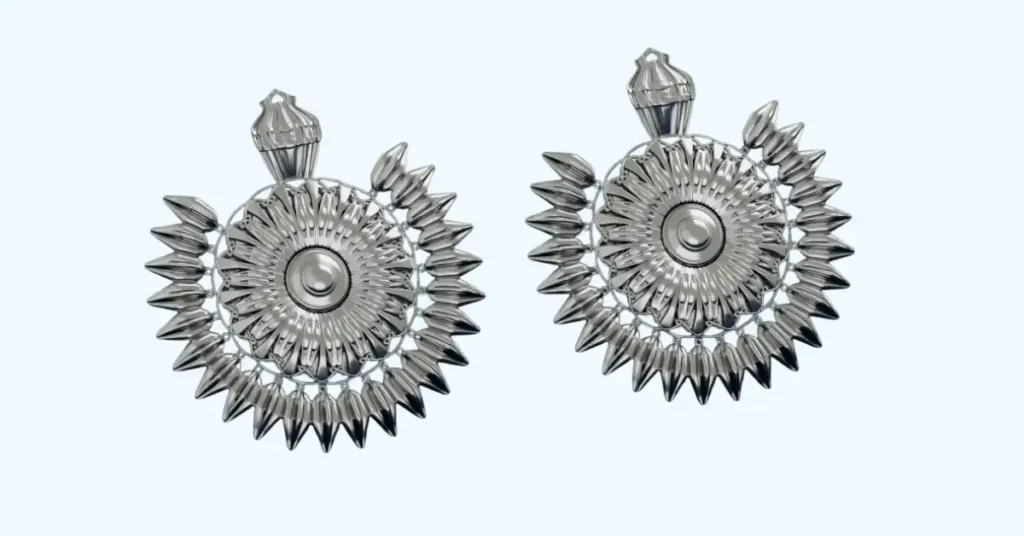
Silver-plated items are not made of solid silver. Instead, they are made of a base metal such as copper, brass, or nickel, which is then covered with a very thin layer of real silver. This thin layer is applied through a process called electroplating. Because of this, silver overlay items look shiny like sterling silver at first, but they don’t have the same value or durability.
The main reason people choose silver-plated jewelry or household items is the low cost. It gives the look of silver at a much cheaper price. However, the silver coating can wear off over time, especially with daily use, leaving the base metal visible. Unlike sterling silver, you cannot polish or restore silver-plated pieces once the layer starts to fade.
In simple words, electroplated silve means a budget-friendly option that looks like silver but doesn’t last as long. It’s great if you want the style of silver without spending much, but it’s not ideal for long-term use or investment.
What Are The Advatages And Disadvantages of Silver Plated?
| Pros | Cons |
|---|---|
| Affordable and budget-friendly | Silver layer can wear, peel, or chip |
| Looks like real silver | Tarnishes and cannot be fully restored |
| Lightweight and easy to wear | Low or no resale value |
| Good for decorative or occasional use | May cause allergic reactions if base metal is exposed |
| Wide variety of designs available | Less durable; not ideal for daily use |
What Is The Process of Silver Plating?
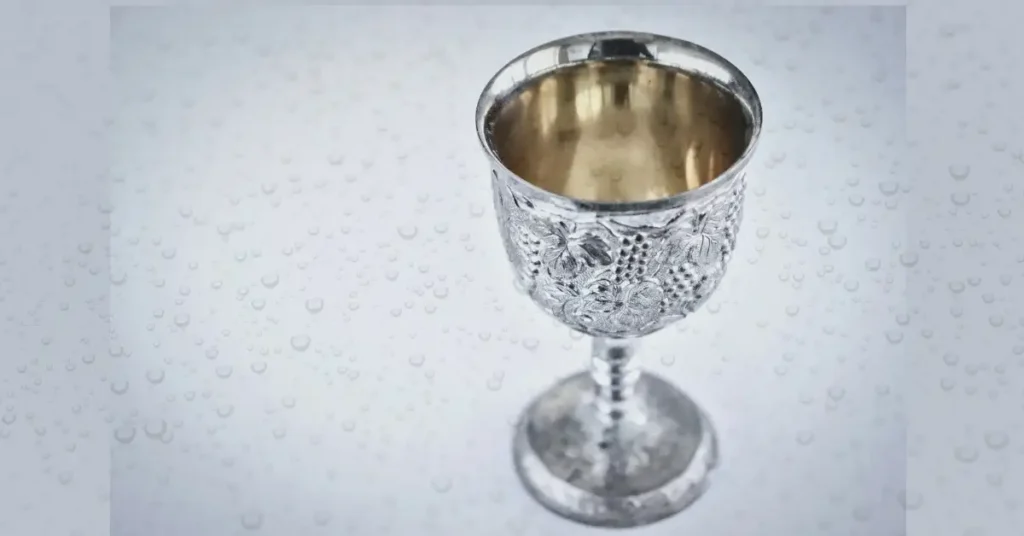
The process of silver plating is how a fine layer of silver is added on other metal, like copper, brass, or nickel. This is usually done through a method called electroplating.
Here’s how it works step by step:
- Cleaning the Base Metal – The item (like a ring or spoon) is cleaned to remove dirt, oil, or rust. This helps the silver stick properly.
- Preparing the Solution – A liquid solution is made with tiny particles of silver.
- Electroplating Process – The base metal is placed in this solution and connected to electricity. The electric current makes the silver particles attach to the surface of the item.
- Final Touch – Once coated, the item is polished to give it a shiny, smooth finish.
This process gives the item the appearance of real silver but only on the outside. Since the silver layer is very thin, it can wear off over time with regular use. In simple words, silver plating is a way to make everyday metals look like silver without the cost of solid sterling silver.
How To Compare Silver-Plated Vs Sterling Silver ?
When you look at sterling silver and silver-plated items side by side, they might seem almost the same. Both shine and look stylish, but the real difference is inside in their composition, strength, and long-term value. Let’s break it down step by step.
Sterling Silver Vs Plated Silver – Composition Dissimilarities
Sterling silver is solid silver with a mix for strength, while Silver finish is just silver on the outside.
- Sterling Silver: Made of 92.5% original silver mixed with 7.5% alloy, mostly copper. This mix makes it strong and suitable for daily use.
- Silver-Plated: Made of a base metal like brass, copper, or nickel, covered with a thin layer of silver. The silver layer is very light and only sits on the surface.
Weight and Appearance
Both sterling silver and silver-plated items can look shiny and beautiful. At first glance, they may look alike, but over time, silver-plated items lose their shine quickly.
- Sterling silver tends to have a slightly heavier weight because it’s solid metal.
- Silver-plated items may feel lighter, especially if made with cheaper base metals.
Tarnishing and Care
Sterling silver lasts longer with proper care, while silver plating often cannot be restored after wear.
- Sterling Silver: It can tarnish when uncover to air and moisture. The good news is that it can be polished and cleaned back to its original shine.
- Silver-Plated: The thin silver layer can fade or chip. Once the base metal shows, it cannot be polished back to silver.
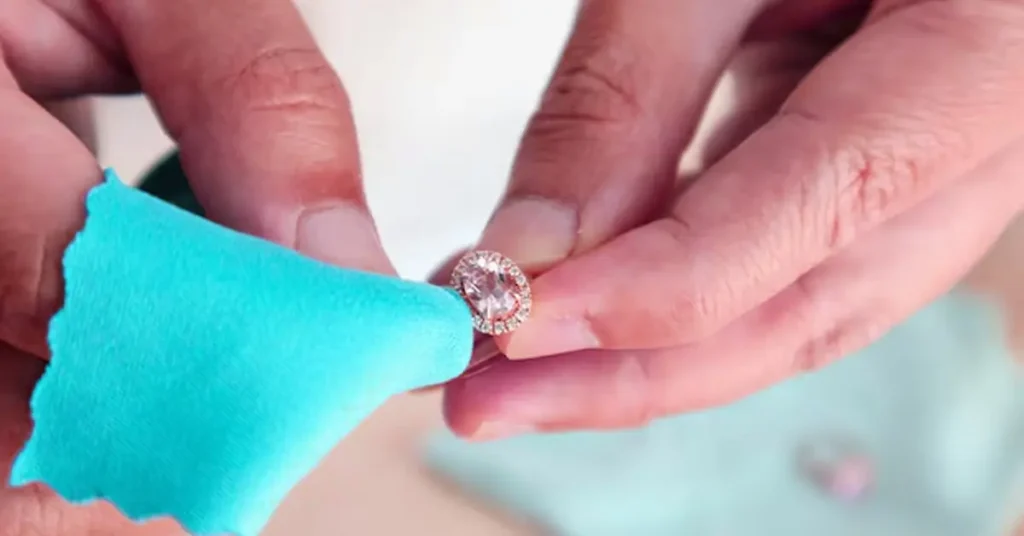
Read our full guide on tips to clean sterling silver to clean at home without any hassle.
Price and Value
If you want long-term value, sterling silver is the clear winner.
- Sterling Silver: Costs more because it contains real silver and has lasting value. It can even be resold to silver buyers.
- Silver-Plated: Much cheaper since it only has a thin silver coating. It has little to no resale value.
Durability
- Sterling silver is strong, flexible, and able to withstand daily use without losing shape.
- Silver-layered items are weaker. The coating can scratch, peel, or wear away over time.
This is why sterling silver is used in jewelry and cutlery, while silver-plated is often used for decorative items.
Lifespan
- Sterling Silver: Can last a lifetime or even be passed down for generations with proper care.
- Silver-Plated: Usually lasts only a few months to years, depending on use, before the silver layer wears off.
Wearability
- Sterling Silver: Safe for most people to wear daily. It’s also hypoallergenic if no nickel is mixed in.
- Imitation silver: May cause skin irritation if the base metal is nickel or if the silver layer wears away.
For sensitive skin, sterling silver is the safer choice.
Authenticity and Market Standards
- Sterling silver is usually stamped with “925” or “Sterling” to show its purity. These markings are trusted worldwide.
- Silver-plated items may have labels like “EPNS” (Electroplated Nickel Silver) or just “plated,” but many times sellers don’t make it clear.
Because of this, buyers need to be careful and check for hallmarks before purchasing.
How to Tell the Difference Between Sterling Silver Vs Silver Plated?
925 silver and plated cutlery items can look almost the same, which makes it tricky for buyers. But don’t worry, there are simple ways to tell them apart. You can tell the difference by checking for stamps or hallmarks. You can also use the magnet test or look for flaking/discoloration, as real silver is not magnetic and doesn’t peel.
Here are the more details anyone can use.
Silver Plated Vs Sterling Silver – What The Hallmark Difference?
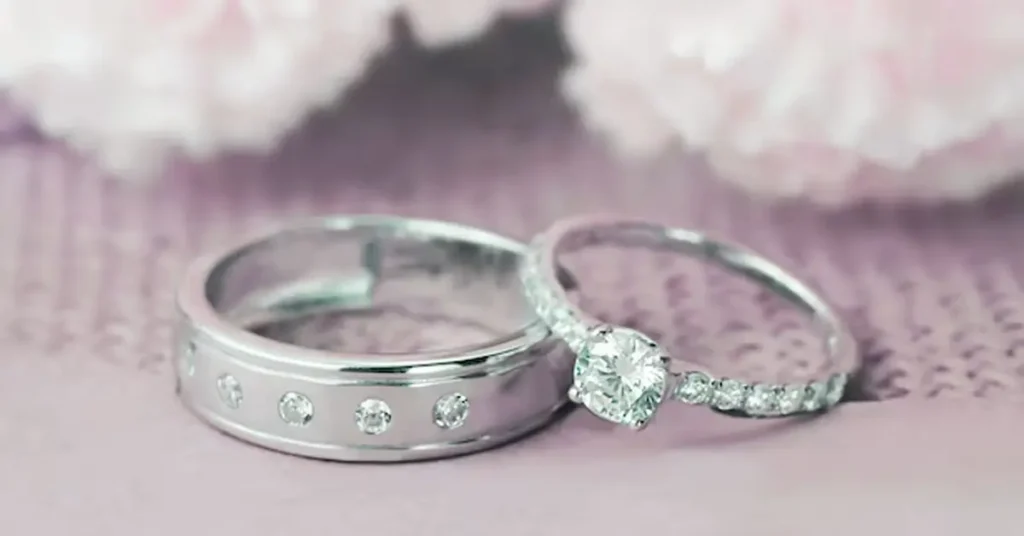
One of the easiest ways to identify sterling silver is by checking the hallmark or stamp. If you spot a clear “925” stamp, you can be confident it’s sterling silver.
- Sterling silver usually has a “925,” “Sterling,” or “Ster” mark. This shows the item is made of 92.5% pure silver.
- Silver-plated items often don’t have these marks. Instead, you may see labels like “EPNS” (Electroplated Nickel Silver), “Silverplate,” flatware or sometimes no mark at all.
How Magnet Test Tell The Difference?
Silver is not magnetic. This means:
- If you place a magnet near sterling silver, it should not stick.
- If the item is silver-plated over a magnetic base metal like steel or nickel, the magnet will cling.
This quick test helps, but remember, it’s not 100% reliable. Some non-magnetic metals (like copper) are also used in plating, so always combine this test with others.
Flakes and Discoloration
Over time, silver-plated items may chip, peel, or show flakes. When the thin silver coating wears off, you’ll notice a different color underneath, such as yellowish brass or reddish copper.
- Sterling silver, on the other hand, does not flake. It may tarnish and turn dark, but polishing restores its shine.
- If you see peeling or uneven spots, it’s most likely silver-plated.
This is a strong visual clue when checking older items.
Have Your Silver Evaluated?
If you are still unsure, take your item to a professional jeweler or silver buyer. They have the right tools and experience to test authenticity without damaging the piece.
- Jewelers can perform safe chemical tests.
- They can also check hallmarks under magnification and measure the exact silver content.
This is the best choice if the item is valuable, antique, or you plan to sell it.
Can Acid Testing Kits Use In Finding Difference In Plated Silver Vs Sterling Silver?
You might find DIY acid test kits online, but these are not recommended for beginners.
- Acid can damage your item, leaving permanent marks or discoloration.
- If not handled correctly, the chemicals can also be unsafe.
It’s better to use non-invasive methods (hallmarks, magnets, visual checks) or seek professional evaluation instead of risking your jewelry or silverware
Get an Assay Done
For valuable or antique pieces, the most reliable way to confirm authenticity is to have an assay:
- Professional jewelers or assay offices can test the metal safely.
- They provide a report verifying the silver content.
- This is especially useful if you plan to buy, sell, or insure the item.
How To Identify a Silver Object At Home?
Sometimes, we have silver items at home but aren’t sure if they are real silver or just silver-plated. You don’t need special tools to check. By observing, testing, and looking for hallmarks, you can identify silver objects safely. Here’s how to recognize common silver items at home.
Antique Silverware
Silverware like forks, spoons, and serving pieces can be either sterling silver or silver-plated. To check:
- Look for stamps or hallmarks under handles. Sterling silver usually has “925” or “Sterling”.
- Silver-plated items may say “EPNS” or “Silverplate”.
- Check for tarnishing patterns. Sterling silver darkens evenly, while plated items may peel or show the base metal.
Antique silverware is often more valuable if it’s solid sterling silver, especially if it has maker marks or country stamps.
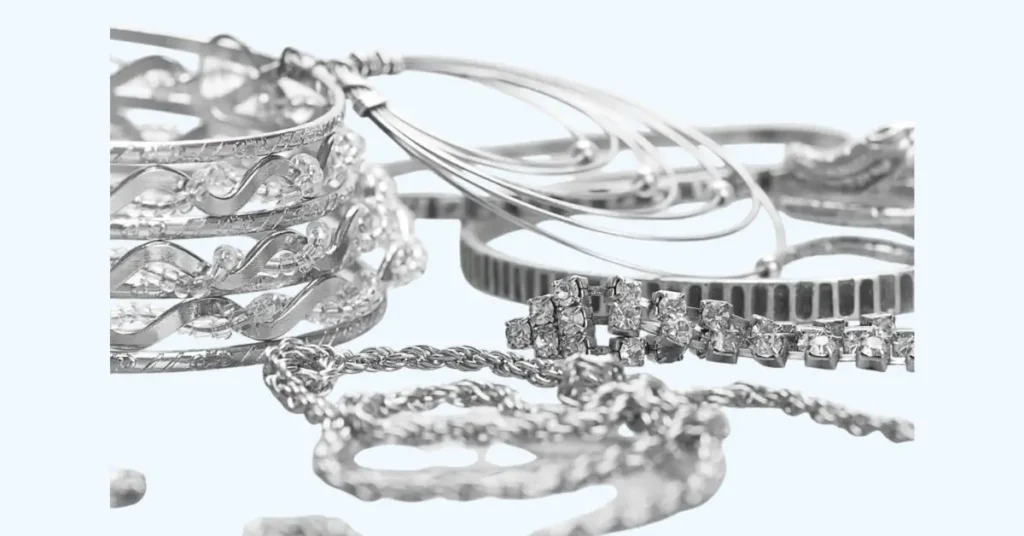
Jewellery
Rings, bracelets, necklaces, and earrings may also be sterling silver or plated. To identify:
- Look for stamps on clasps or inside rings. Common marks include “925,” “Sterling,” or “Ster”.
- Use a magnet test: sterling silver is not magnetic, but plated pieces over a magnetic base will stick.
- Examine closely for flaking or discoloration. Real sterling silver may tarnish but won’t peel.
Sterling silver jewelry holds value longer and lasts with daily use, unlike silver-plated pieces which can wear down quickly.
Pocket Watches and Wrist Watches
Older pocket watches and some wristwatches may have silver cases. To check:
- Look for hallmarks or purity stamps on the back or inside the case.
- Check the weight and feel. Sterling silver feels heavier and denser than plated metals.
- Observe any wear spots: peeling or a different metal showing indicates silver-plated.
For collectable watches, having a professional evaluation is often the safest way to confirm if it’s real silver.
What Do Silver Buyers Want?
If you are thinking about selling silver or just want to understand its value, it helps to know what silver buyers are looking for. Buyers are usually interested in the purity, type, and condition of the silver item. Let’s break it down by common types of silver.
Silver in Coins
- Silver coins are popular with collectors and investors. Buyers check for purity (usually marked as .999 or .925).
- Condition matters: Coins without scratches, dents, or discoloration are more valuable.
- Older or rare coins with historical significance can fetch a higher price even if the silver content is standard.
Silver in Jewellery
- Buyers look for solid sterling silver rather than silver-plated pieces.
- They check for stamps or hallmarks like “925” or “Sterling” to confirm authenticity.
- The design, craftsmanship, and condition of the jewelry also affect its value.
- Tarnishing is normal and usually not a problem, but pieces with flaking or worn plating are less valuable.
Silver in Household Items
- This includes cutlery, trays, teapots, and decorative items.
- Buyers check if the item is solid sterling silver or silver-plated. Solid silver has higher resale value.
- Hallmarks, weight, and overall condition are important. Items with damage or heavy plating wear may not fetch much.
- Antique or branded pieces often attract more attention because of their historical or collectible value
Extra Tips for Sterling Silver or Silver-Plated Items
When buying or selling silver, there are more factors to think about besides purity, durability, and price. These additional points can affect your decision and the long-term value of your silver items.
Environmental Impact
- Mining silver can harm the environment, as it uses a lot of energy and chemicals.
- Sterling silver is more environmentally friendly than silver-plated items if it is recycled or reclaimed, since it contains real silver that can be reused.
- Choosing recycled silver or second-hand items can reduce your environmental footprint.
Antique Silver
- Antique silver items, such as jewelry, coins, or cutlery, can have higher value because of their age, craftsmanship, or historical importance.
- Buyers often pay extra for antiques, even if the silver content is standard.
- Check for authenticity and hallmarks to ensure the item is genuine.
Labeling
- Always look for proper labeling and stamps.
- Sterling silver should have “925” or “Sterling” marks. Silver-plated items might say “EPNS,” “Silverplate,” or just “Plated.”
- Misleading labels can affect value and buyer confidence, so knowing the correct markings is important.
What Are The Alternatives Of Sterling Silver?
Sterling silver is popular for its shine, durability, and value, but sometimes buyers look for other options that offer style, cost savings, or extra protection. Two common alternatives are rhodium-plated silver and gold-plated silver, each with unique benefits and limitations.
Rhodium-plated silver
It is created by applying a thin layer of rhodium over sterling silver or white gold. This coating gives the piece a bright, reflective finish, makes it resistant to scratches and tarnish, and often reduces the risk of skin irritation. Because of this, rhodium-plated jewelry stays shiny longer than plain sterling silver.
However, the plating can wear off over time, revealing the silver underneath, and replating may be required to maintain its appearance. Despite this, rhodium-plated items still retain the real silver value of the underlying sterling silver, making them both beautiful and functional.
Gold-plated silver
involves covering sterling silver or another base metal with a thin layer of gold. This creates a luxurious golden appearance without the cost of solid gold jewelry. Gold-plated pieces are ideal for fashion purposes because they are affordable and stylish.
The downside is that the gold layer is very thin and can wear off with regular use, exposing the silver below. Additionally, gold-plated items do not have the same resale value as sterling silver or solid gold. While sterling silver remains a better long-term investment, gold-plated jewelry is a good option for those who want the look of gold at a lower price.
What Are The Common Myths and Misconceptions?
Silver is a beautiful and popular metal, but many people have confusion or wrong ideas about it. Let’s clear up some common myths, especially regarding silver-plated items.
Is Silver-Plated Real Silver?
A common question is whether dipped silverware items are “real silver.” The truth is, silver-plated items are not solid silver. They only have a fine layer of silver on top of a base metal like copper, brass, or nickel. While the surface looks like silver and can be polished to a shine, the underlying metal is not valuable silver.
This is why silver-plated jewelry or household items cost less and have lower resale value than sterling silver. Understanding this distinction helps avoid paying too much for items that only have a surface coating of silver.
How Long Does Silver-Plated Jewelry Last?
Another common misconception is about the lifespan of silver-plated jewelry. Many people assume it lasts as long as sterling silver, but that’s not true. The thin silver layer can wear off over time, especially with daily use, exposure to water, sweat, or chemicals.
Depending on how often it is worn and cared for, silver-plated items may last a few months to a few years before the base metal starts to show. Proper care, like storing it away from moisture and polishing gently, can extend its appearance, but it will never be as long-lasting as sterling silver.
Final Thought – Silver Plated Vs Sterling Silver
Understanding the differences between sterling silver and silver-plated items helps you make the right choice, whether for jewelry, household items, or collectibles. The main differences come down to composition, durability, value, and lifespan. Sterling silver is solid silver with 92.5% purity, making it strong, long-lasting, and valuable. Silver-plated items have a layer of silver over a base metal, which makes them affordable and stylish but less durable and lower in value.
When it comes to daily use, sterling silver is the clear winner. It can withstand wear and tear, is hypoallergenic for most people, and maintains its shine with proper care. For investment purposes, sterling silver also makes more sense, as it holds real silver value and can be resold to buyers or collectors.
On the other hand, budget-conscious buyers or those looking for fashion pieces may prefer silver-plated items. They provide the look of silver at a fraction of the cost, making them ideal for occasional use or decorative purposes.
In short, choose sterling silver for durability, long-term value, and daily wear, and silver-plated for style, affordability, and temporary use. Knowing these differences ensures you get the right silver for your needs, avoiding surprises or regrets later.
FAQs About Silver Plated Vs Sterling Silver Items
Which is better, sterling silver vs silver-plated?
Sterling silver is best for daily use, durability, and long-term value because it contains 92.5% real silver. Silver-plated items are cheaper and look like silver but are less durable and wear off faster. For investment or heirloom pieces, sterling silver is the best choice. Silver-plated is mainly for fashion or occasional use.
How to tell sterling silver from a silver plated?
Check for hallmarks or stamps like “925” or “Sterling,” which indicate real silver. Silver-plated items may have labels like “EPNS” or “Silverplate” or no mark at all. You can also use the magnet test (real silver is not magnetic) and look for flaking or discoloration on the surface. Professional evaluation is the safest option for valuable items.
How long will silver-plated jewelry last?
Silver-plated jewelry can last a few months to a few years, depending on how often it is worn and how well it is cared for. The thin silver layer can wear off with daily use, exposure to moisture, or chemicals. Proper storage, gentle cleaning, and occasional polishing can extend its appearance, but it will never last as long as sterling silver.
Does silver-plated tarnish?
Yes, silver-plated items can tarnish over time. The thin silver layer reacts to air, moisture, or chemicals just like sterling silver. However, once the plating wears off, the base metal may show, and tarnish cannot be fully removed.