Gifting silver jewelry always brings a special kind of joy. There’s a soft sparkle, a warm moment, and a feeling that you’re giving something meaningful. But sometimes, that joy turns into confusion when you notice terms like coin silver vs sterling silver. Both sound nice, both look shiny, yet you’re not sure which one is right for a gift that should last.
I’ve felt that same pause many times while choosing pieces for people I love. That little worry, “Will this stay bright? Will it hold up?” – can take away from the excitement. So this guide keeps everything simple and clear. With easy explanations and real-life tips, you’ll understand the difference in a way that feels natural. And when you choose your next silver gift, you’ll feel happy, sure, and proud of the piece you’re giving.
What Is Coin Silver?
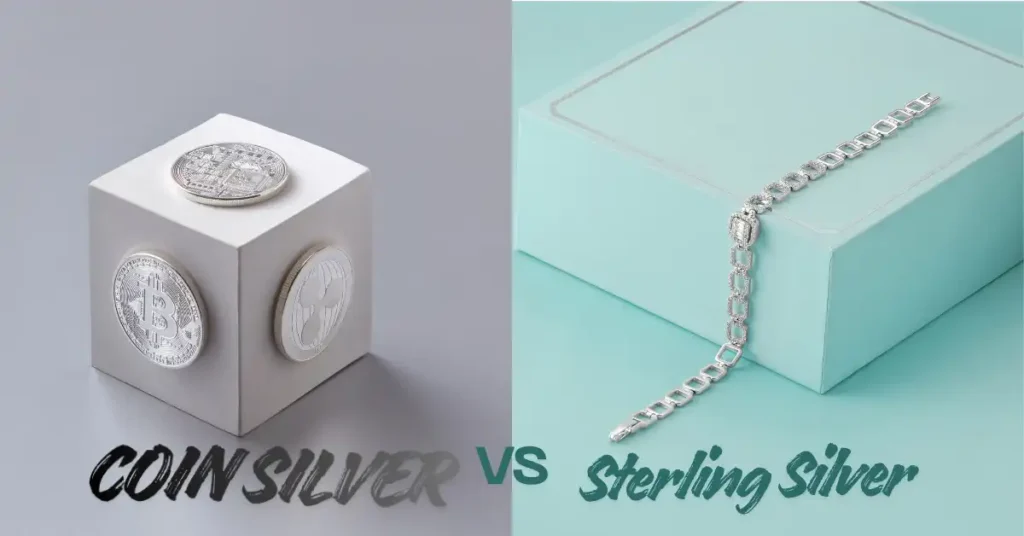
Old coin silver is a silver mix that has 90% real silver and a warm, vintage feel. It was first made from old coins, which gives it a charming, old-style look. It’s slightly less pure than sterling silver, a bit stronger, and perfect for people who love jewelry with a classic, handmade touch.
What Is Sterling Silver?
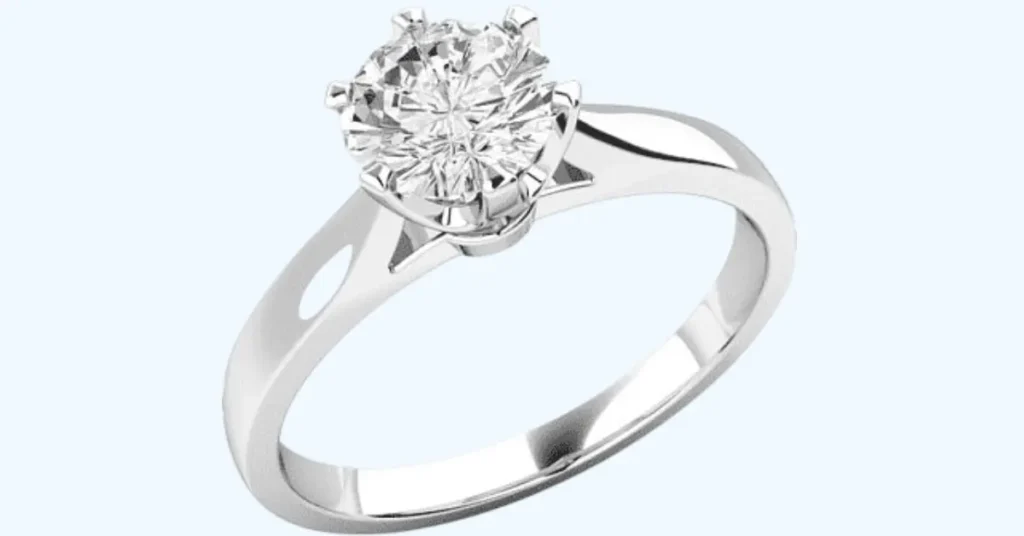
Sterling silver is 92.5% real silver, and it’s the type I reach for the most. It has that bright, clean shine that makes every piece feel fresh and beautiful. I love how it works for daily wear, smooth bracelets, simple rings, and little pendants that catch the light just right. It feels modern, elegant, and easy to enjoy, no matter the style or occasion.
Coin Silver vs Sterling Silver: What Are the Differences?
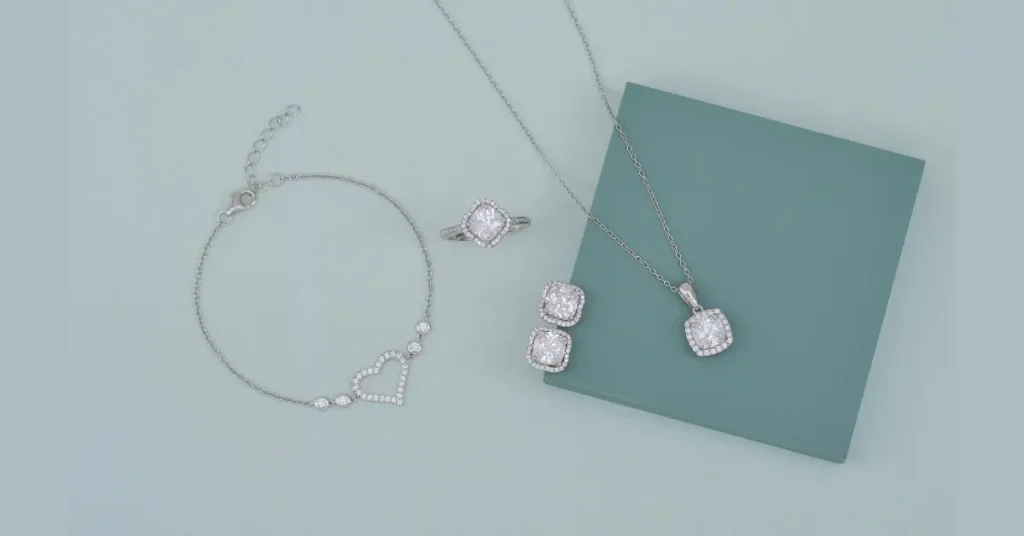
Coin silver has 90% silver, a warm, vintage look, and is slightly stronger but tarnishes faster. Sterling silver has 92.5% silver, a bright, lasting shine, is ideal for daily wear, and usually nickel-free. Vintage silver is great for vintage or unique pieces, while sterling silver works best for modern, everyday jewelry.
Here is a quick comparison table to understand these!
| Feature | Coin Silver | Sterling Silver |
|---|---|---|
| Silver Purity | 90% silver, 10% other metals | 92.5% silver, 7.5% other metals |
| Durability | Slightly stronger, more rugged | Strong but more delicate than handmade silver. |
| Color & Shine | Softer, warm, vintage look | Bright, shiny, clean finish |
| Price | Usually more affordable | Slightly higher due to higher purity |
| Markings / Stamps | Often stamped 900 | Stamped 925 |
| Everyday Use | Good for casual or vintage-style pieces | Ideal for daily wear and modern jewelry |
| Allergy Concerns | May contain nickel; watch for skin reactions | Usually nickel-free; safer for sensitive skin |
| Strength | Slightly stronger, more rugged | Strong but smoother and more refined |
| Tarnish Level | Tarnishes faster | Tarnishes slower with proper care |
| Price | Usually more affordable | Slightly higher due to higher purity |
Sterling Silver VS Coin Silver – Which One Is Better for Jewelry?
When it comes to jewelry, it really depends on what you value most. Sterling silver is my favorite for everyday pieces because it has a bright, lasting shine and works well for delicate designs. If you want jewelry that stays polished longer and feels smooth against your skin, sterling silver is the safe, beautiful choice.
On the other hand, classic silver pieces have a warm, vintage charm that I adore for unique or handmade pieces. It’s slightly stronger and gives jewelry a classic, nostalgic look. If you love jewelry with character or enjoy collecting vintage-style pieces, antique coin silver can feel extra special.
| Choose sterling silver for modern, everyday shine, and coin silver for rustic, timeless charm. |
How to Identify Coin Silver and Sterling Silver?
Check the stamp (900 for coin silver, 925 for sterling) and notice the color and shine; coin silver is warmer, sterling is brighter.
The easiest way to tell the difference is to look for the stamp. Sterling silver usually says 925, while coin silver often shows 900. I always check this first when I’m picking a piece, it’s like a little secret code that tells you what’s inside.
Next, look at the color and shine. Sterling silver has a bright, clean glow that catches the light beautifully. Coin silver feels warmer and softer, with a gentle, vintage sparkle that’s full of character.
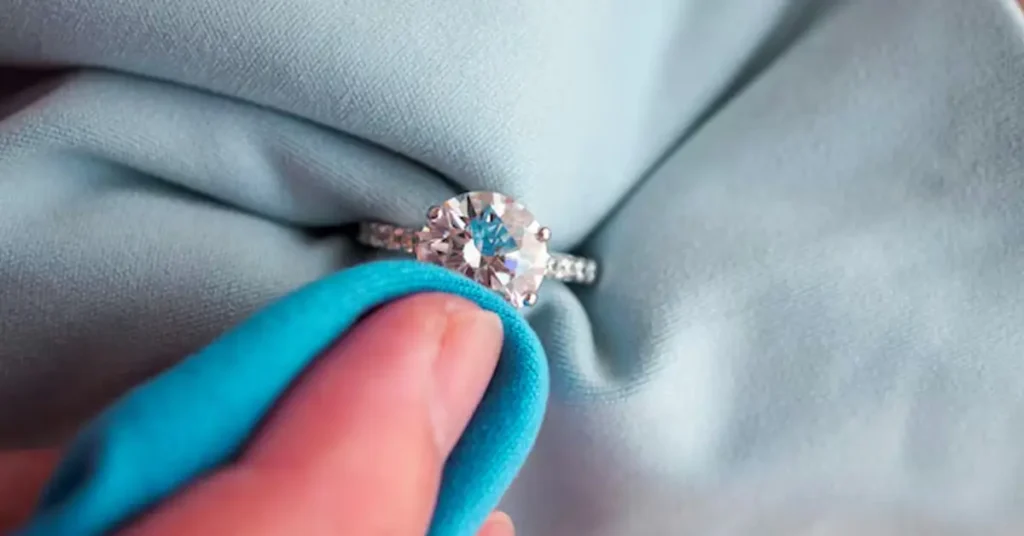
If you want a simple home test, gently rub the piece with a soft cloth. Sterling silver stays shiny longer, while antique coin silverware may darken a bit faster. Trust your eyes and hands, they often know before your heart does!
What Are The Pros And Cons Of 925 Silver And 900 Silver?
| Type | Pros | Cons |
|---|---|---|
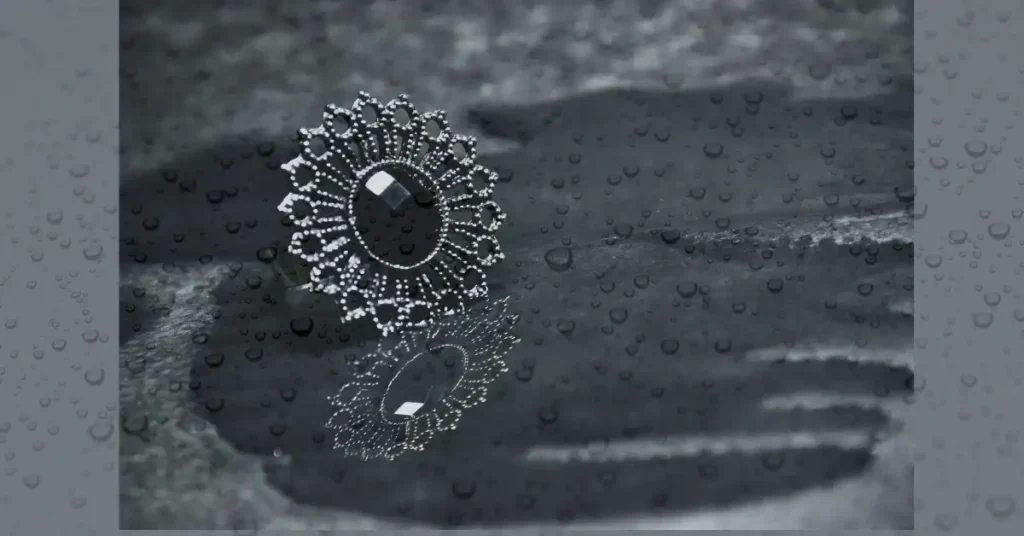
| Coin Silver | – Warm, vintage charm – Slightly stronger – More affordable – Great for unique or handmade pieces | – Tarnishes faster – Less bright shine – May contain nickel (can irritate skin) |
| Sterling Silver | – Bright, lasting shine – Ideal for everyday wear – Usually nickel-free – Works well for modern designs | – Slightly more expensive – Softer, can scratch easier – Needs regular care to maintain shine |
What Are The Care And Maintenance Tips For Sterling And Coin Silver?
Gently clean silver with a soft cloth, use mild soap for deeper cleaning, store pieces separately to avoid scratches, and polish regularly to keep both coin and sterling silver shiny.
Taking care of silver doesn’t have to be hard, and I promise it can even be enjoyable. For both coin silver and sterling silver, I usually start with a soft cloth, just gently rubbing your piece after wearing it keeps it shiny and happy.
For deeper cleaning, I mix a little mild soap with warm water, dip a soft cloth, and wipe the jewelry carefully. I avoid harsh chemicals because they can dull the shine.
When it comes to storing, I keep each piece in a separate pouch or box. This prevents scratches and helps slow down tarnish. Personally, I always store my coin silver pieces in a small zip pouch, while sterling silver gets a soft-lined jewelry box, which keeps them looking fresh and ready to wear.
A small tip from experience: if you notice a tiny dark spot, don’t panic. A quick, gentle rub usually brings back the sparkle, and that little ritual makes wearing silver feel even more special.
Final Thoughts: Which Silver Fits You Best?
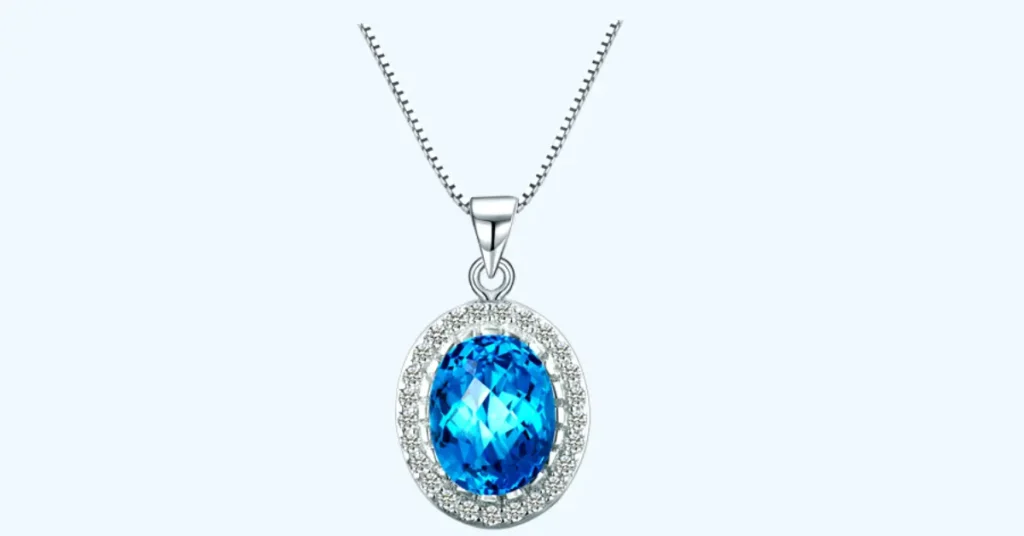
Coin silver vs sterling silver each have their own charm. Coin silver offers a warm, vintage feel, slightly stronger build, and nostalgic look, perfect for unique or handmade pieces. Sterling silver shines bright, lasts longer, and works beautifully for everyday wear, modern designs, and sensitive skin.
For beginners, here’s my advice: if you love classic, old-world jewelry or vintage-style pieces, coin silver will make your collection feel special. If you want something bright, durable, and versatile for daily use, sterling silver is the safer, worry-free choice. Understanding the difference lets you pick pieces that truly bring joy every time you wear them.
FAQs About Coin Silver Vs Sterling Silver
What is coin silver used for?
Coin silver is often used for vintage-style jewelry, handmade rings, bracelets, and collectible pieces. Its warm look gives each piece a classic, nostalgic charm.
What is the meaning of coin silver?
Coin silver means the piece is made of about 90% real silver, often mixed with other metals. It got its name because it was originally made from old coins.
Is 925 silver the same as sterling silver?
Yes! 925 silver is another name for sterling silver, which contains 92.5% pure silver and is bright, shiny, and ideal for everyday jewelry.
Does coin silver tarnish?
Yes, coin silver can tarnish faster than sterling silver. Regular cleaning and proper storage help keep it looking beautiful.
How pure is coin silver?
Coin silver is usually about 90% pure silver, with the remaining 10% made up of other metals for strength.
How to identify coin silver?
Look for a 900 stamp or a slightly warmer, softer shine compared to sterling silver. You can also rub it gently with a soft cloth to see how it reacts, coin silver darkens a bit faster.