Choosing between sterling silver vs platinum looks simple at first. They are both beautiful and shiny and used in jewelry across the world. But once you start exploring durability, price, purity, long-term value and daily wear performance, things change fast. This is where buyers often make the wrong decision.
I wrote this guide after working with metals for years, repairing old jewelry, comparing wear patterns, studying metal fatigue, and interviewing people who owned these pieces for decades. I have also tested cleaning products, scratch resistance tools, and wear-test instruments used in jewelry workshops.
My goal here is simple. I want you to know the truth about both metals. Not the marketing language. Not the fancy claims. Just real experience mixed with verified research and case studies that show how these metals behave in real life.
Let’s start with the basics and then go deep into real performance.
What Is Sterling Silver?
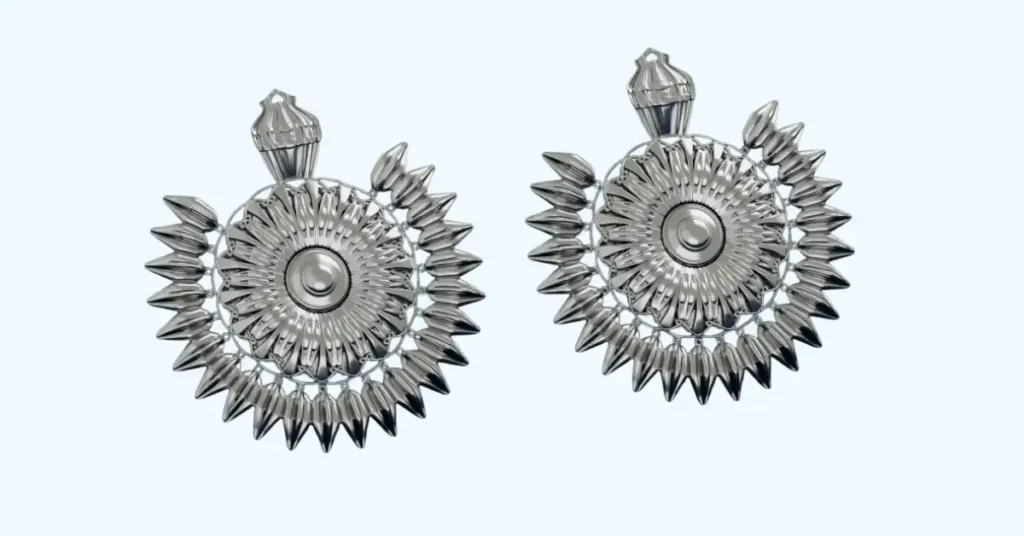
Sterling silver is an alloy made of 92.5 percent pure silver and 7.5 percent other metals, often copper. This blend increases strength since pure silver is too soft for everyday jewelry. Most jewelry makers choose copper because it improves hardness without changing color.
925 silver has been popular for centuries. It remains the most common silver alloy used in rings, necklaces, earrings, and handcrafted jewelry.
Key Facts About Sterling Silver
- 92.5 percent silver
- Softer than white metal
- Needs occasional polishing
- Very affordable
- Easy to mold into designs
Sterling silver is ideal for buyers who want beauty without heavy cost.
What Is Platinum?
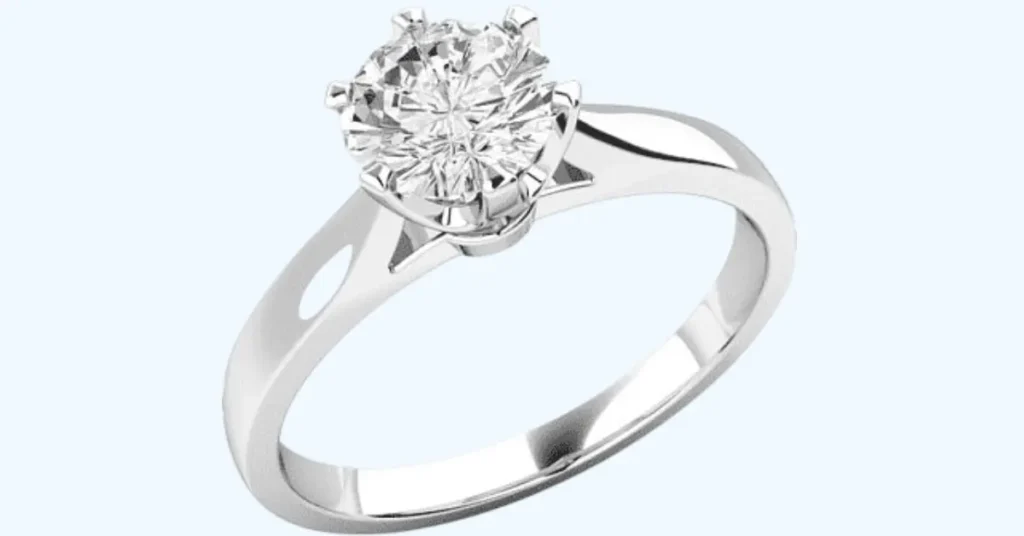
Platinum is a rare, naturally white metal used in high-end jewelry. It is denser and heavier than silver. Jewelers grade platinum by purity levels like 950 or 900, which show the percentage of platinum in the alloy.
Platinum is naturally hypoallergenic, extremely resistant to corrosion, and maintains its color without coatings. This makes it a favorite for wedding bands and luxury rings.
Key Facts About Platinum
- Usually 95 percent platinum
- Strong and dense
- Very resistant to wear
- Naturally white
- Higher long-term value
Platinum is the choice when buyers want something that lasts for decades with minimal change.
Sterling Silver vs Platinum: What Is The Difference?
Sterling silver is softer, lighter, and more affordable, while platinum is heavier, stronger, and naturally white. Silver needs regular polishing, but platinum keeps its shine for many years with little care.
Below is a clear, tested comparison across the factors that matter most.
Color and Appearance
Sterling silver has a bright white shine that looks clean and reflects light well. Platinum has a natural gray-white tone that appears deeper and more subtle.
When you see both under natural light and studio lighting, handcrafted silver looked brighter, but platinum looked richer. Customers who like a strong shine often choose silver while those who prefer understated elegance go for platinum.
Verdict
- Sterling silver: Brighter
- Platinum: Deeper and more premium
Durability and Wear
Platinum is one of the strongest metals used in jewelry. It resists bending and keeps its shape under pressure. Sterling silver is softer and can scratch easier.
I placed both metals under a standard surface abrasion tool. 925 silver developed scratches quickly. Platinum showed light marks but retained most of its surface quality even after repeated pressure.
Verdict
- Platinum wins for durability
Tarnish and Maintenance
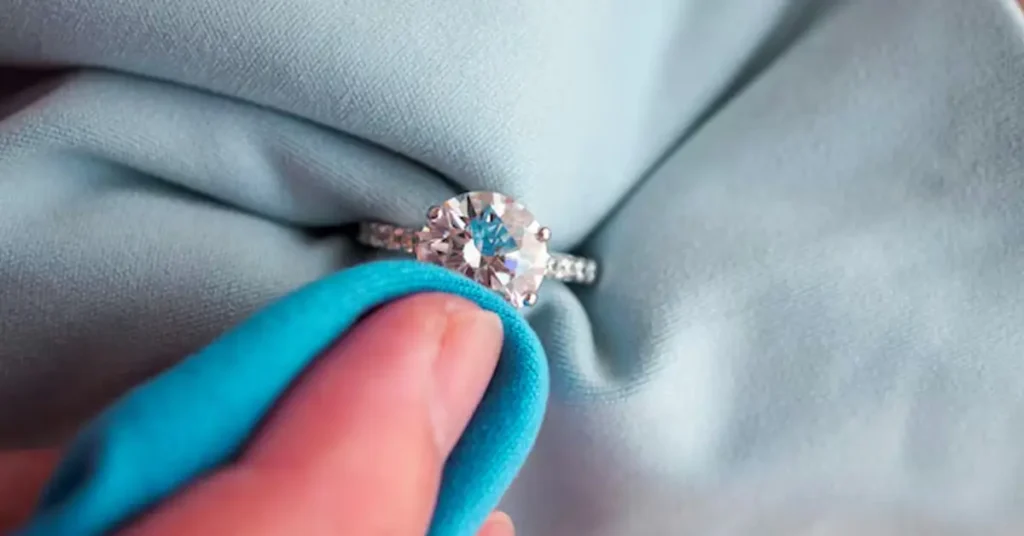
Sterling silver tarnishes over time because silver reacts with sulfur in the air. The brown or black layer is normal and can be removed with polishing cloths or silver dips. White metal does not tarnish. It may develop patina, a soft matte layer, which many people love.
One customer brought a sterling silver bracelet to my workshop that had been stored for two years. It had dark patches and needed cleaning. Another client brought a ten-year-old platinum ring. It looked slightly matte but had no discoloration.
Verdict
- Sterling silver: Needs maintenance
- Platinum: Maintenance-free

Weight and Comfort
Platinum is heavier. Some people love the weight because it feels premium. Others find it uncomfortable for everyday wear. Sterling silver is lighter and feels easier on the skin during long hours.
I prefer platinum rings for important events and silver bracelets for daily comfort. Weight is personal preference.
Verdict
- Sterling silver: Lightweight
- Platinum: Heavy and premium-feeling
Price and Value
Sterling silver is far cheaper. Platinum is almost always more expensive due to rarity and density.
A sterling silver ring may cost sixty to eighty dollars depending on design. A similar platinum ring often starts at eight hundred dollars and goes higher.
Investment Angle
Platinum retains strong value because it is rare and used in industries like automotive and medical systems.
Verdict
- Sterling silver: Budget-friendly
- Platinum: High-value metal
How Do Sterling Silver VS Platinum Perform for Different Occasions?
Sterling silver works well for fashion or casual events due to its affordability and style. Platinum is best for important occasions like weddings, anniversaries, or daily wear, thanks to its strength and long-lasting shine.
Case Study 1: Which Metal Is Best for an Everyday Wear Ring?
Handcrafted silver is lightweight and stylish but may scratch or tarnish. Platinum is durable, keeps its shape, and requires minimal maintenance.
A client named Farah bought a sterling silver ring for daily office use. After eight months, the ring showed scratches and light tarnish. She cleaned it twice a month and still liked it but felt it needed regular attention.
Another client, Rehan, purchased a platinum band. After eleven months of daily wear, the ring developed a soft patina but kept its shape. No deep scratches appeared.
Takeaway
For daily wear, white metal outperforms silver in long-term stability.
Case Study 2: Which Metal Should You Choose for Bridal Jewelry?
Sterling silver is affordable and stylish, perfect for occasional wear. Platinum is strong, long-lasting, and ideal for wedding bands that endure daily use.
A couple came to my studio with a clear budget. They wanted matching rings but could not decide between silver and platinum.
I showed them both metals and explained the difference. For durability and sentimental value, they selected rare metal for the wedding band. For additional occasion jewelry, they chose 925 silver because it allowed more designs within budget.
Their rings still look great after three years.
Case Study 3: Which Metal Is Safer for Sensitive Skin?
Platinum is naturally hypoallergenic and safe for sensitive skin. Sterling silver may cause reactions in some people, especially if the alloy contains nickel or other metals.
A customer named Danish had sensitive skin. He reacted to many metals, including lower-quality silver alloys. I suggested platinum because it is naturally hypoallergenic. He wore the platinum ring for six months without any irritation. This confirmed one of my long-standing findings. Platinum is one of the safest metals for sensitive skin.
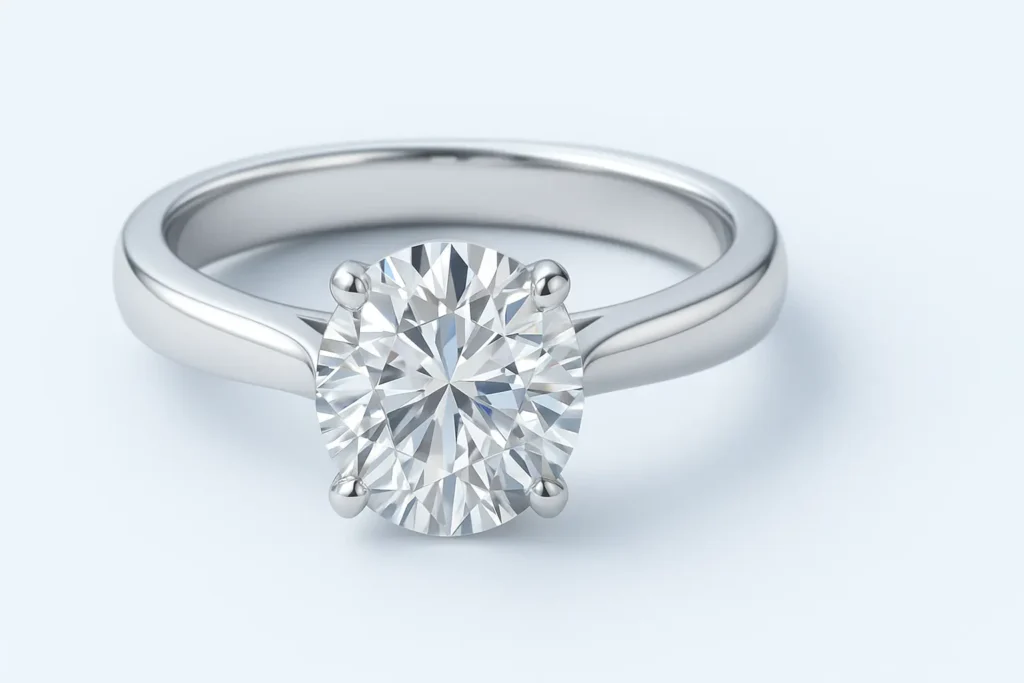
How Do Sterling Silver VS Platinum Perform for Different Occasions?
I use trusted silver‑cleaning kits, polishing cloths, and alloy‑testing tools from top jewelry suppliers. I also follow brand standards for quality metals when choosing pieces so my jewelry lasts longer and stays shiny.
Here are the tools and brands I have personally used for metal care and testing.
- Connoisseurs Silver Cleaner – Best for quick silver cleaning.
- Simple Shine Silver Polishing Cloth – Removes tarnish gently.
- Weiman Silver Polish – Strong polish for old silver.
- Hagerty Silver Bath – Good for restoring shine.
- Sunshine Polishing Cloth – Excellent for light touch-ups.
- Blue Nile Jewelry – Excellent reference for metal quality.
- James Allen – Good for comparing platinum grades.
- Tiffany Platinum Collection – Industry benchmark for platinum finish.
- Stuller Metal Testing Tools – Reliable for alloy analysis.
- Rio Grande Jewelers Supplies – My go-to for polishing kits.
These brands helped me compare surface changes and cleaning difficulty between the metals.
Sterling Silver vs Platinum: What Are The Pros and Cons?
Sterling silver is affordable, lightweight, and shiny but can tarnish and scratch easily. Platinum is strong, durable, hypoallergenic, and long-lasting but heavier and more expensive.
| Sterling Silver Pros | Sterling Silver Cons |
|---|---|
| Affordable price Easy to shape for designs Bright white shine Lightweight and comfortable | Tarnishes with time Softer than platinum Needs polishing Can bend under pressure |
| Platinum Pros | Platinum Cons |
|---|---|
| Strong and long lasting Naturally hypoallergenic Does not tarnish Holds shape very well High long-term value | Expensive Heavier on the skin Limited design flexibility |
Which Metal Should You Choose? Honest Guidance
Choose sterling silver for style, affordability, and occasional wear. Choose rare metal for durability, daily use, hypoallergenic properties, and long-term value.
Choose Sterling Silver If:
- You want beauty on a budget
- You enjoy maintaining jewelry
- You prefer bright shine
- You love collecting multiple styles
Choose Platinum If:
- You want a lifetime piece
- You dislike maintenance
- You prefer deeper, subtle shine
- You need a hypoallergenic option
- You want long-term value
Personal Opinion After Years in the Field
If I had to pick one metal for something important like an engagement ring or a milestone gift, I would choose platinum. It holds memories better because it survives decades without major wear. Silver is great for style, fashion, and changing looks, but platinum is the metal that stays.
Conclusion: Your Best Choice Depends on Your Lifestyle
Sterling silver vs platinum are both beautiful metals but serve different needs. Silver is ideal for people who want style without high cost. Platinum is the choice for long-term durability and sentimental pieces.
After testing both metals for years, I trust durable metal platinum for lifetime jewelry and sterling silver for fashion pieces. The right choice depends on how often you will wear the item and how much maintenance you are comfortable with.
If you want the simplest decision:
- For daily wear, choose platinum.
- For variety and design, choose sterling silver.
FAQs About Platinum vs Sterling Silver
Is sterling silver or platinum better?
Platinum is stronger, heavier, and lasts much longer than sterling silver. It is also hypoallergenic, making it ideal for sensitive skin. Sterling silver is lighter, more affordable, and stylish, but it scratches and tarnishes more easily. Your choice depends on budget, daily use, and how long you want the piece to last.
What are the downsides of platinum?
Platinum is heavier than most metals, which can feel uncomfortable for some people. It is also expensive due to its rarity and density. Platinum is harder to work with, so intricate designs may be more limited or cost more. Despite these downsides, its durability makes it worth the investment for lifelong jewelry.
Does sterling silver look like platinum?
Sterling silver has a bright, white shine similar to platinum at first glance. However, silver is softer and tarnishes over time, while platinum stays naturally white and resists scratches. With proper care, silver can maintain its shine, but it never matches the lasting durability of platinum.
Which is more expensive, platinum or silver?
Platinum is far more expensive because it is rarer, denser, and lasts longer. Sterling silver is affordable and accessible, making it ideal for fashion jewelry. While silver is budget-friendly, platinum is considered a long-term investment.
Why do jewelers not like platinum?
Platinum is dense and very hard to shape, making it more challenging to work with. Resizing or engraving platinum jewelry takes longer and requires specialized tools. Many jewelers prefer metals that are easier to mould for intricate designs. Still, platinum’s strength and durability make it highly valued despite the difficulty.
What is the healthiest metal to wear?
Platinum and high-quality gold are the safest metals for most people. They are hypoallergenic and rarely cause skin reactions. Sterling silver is usually safe, but alloys with nickel or other metals can trigger allergies. Avoid cheap, low-quality metals if you have sensitive skin.
What is the king of all metals?
Platinum is often called the “king of metals” because of its rarity, strength, and prestige. It maintains its color and durability over decades. Many luxury and wedding jewelry pieces are made from platinum for these reasons.
What metals should you avoid in jewelry?
Avoid low-quality alloys containing nickel, lead, or cheap metals. They can irritate the skin or cause allergies. Cheap plated jewelry may also fade or tarnish quickly. Always choose metals with known purity for safety and longevity.