Last summer, Emma wore her favorite sterling silver bracelet to the beach. She loved how it sparkled in the sun while she played in the waves. But a few days later, she noticed something troubling: the shine had faded, and the silver looked dull. She wondered, “Did the water ruin my bracelet?”
This is a problem many silver lovers face. Whether it’s washing hands, taking a shower, or swimming, water is everywhere in our daily lives. And the big question comes up again and again: can sterling silver get wet without damage?
The truth is, hypoallergenic sterling silver can handle water, but not all water is safe. Salt, chlorine, soaps, and even hot springs can speed up tarnish and make your jewelry lose its glow.
The solution? You don’t need to stop wearing your favorite pieces. With a little knowledge and some easy care tips, you can keep sterling silver looking new and shiny while still enjoying it every day.
What is Sterling Silver Jewelry?
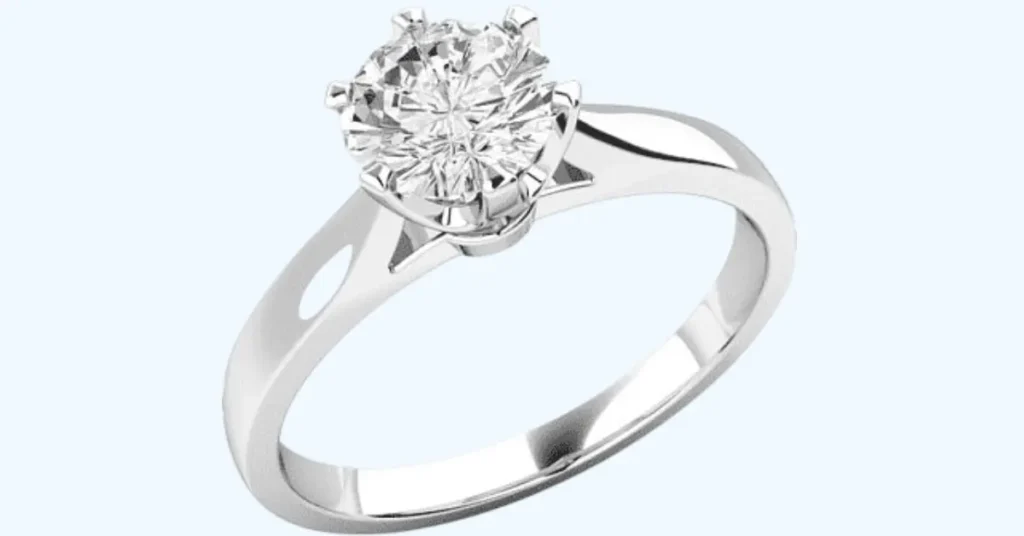
Sterling silver jewelry is not made from fine silver alone. Regular silver is too soft to shape into rings, necklaces, or bracelets that we wear every day. To make it stronger, jewelers mix 92.5% silver with 7.5% alloy, normally copper. This mix makes the jewelry both beautiful and durable.
That’s why you’ll often see a “925” stamp on sterling silver pieces. It shows the jewelry is real sterling silver and not just silver-plated metal.
What is Hallmarked Silver?
Hallmarked silver is silver that has been officially tested and certified for purity. Jewelers don’t just expect you to take their word that a piece is real; hallmarks are the proof.
A hallmark is a tiny stamp or mark on your jewelry that shows how much pure silver it contains. For sterling silver, the most frequent hallmark is “925”, which means the item has 92.5% pure silver mixed with 7.5% other metals.
This stamp protects buyers. It helps you know you’re getting genuine silver and not a cheap imitation. So, when shopping, always look for that hallmark, it’s your jewelry’s guarantee of authenticity.
Can Sterling Silver Get Wet?
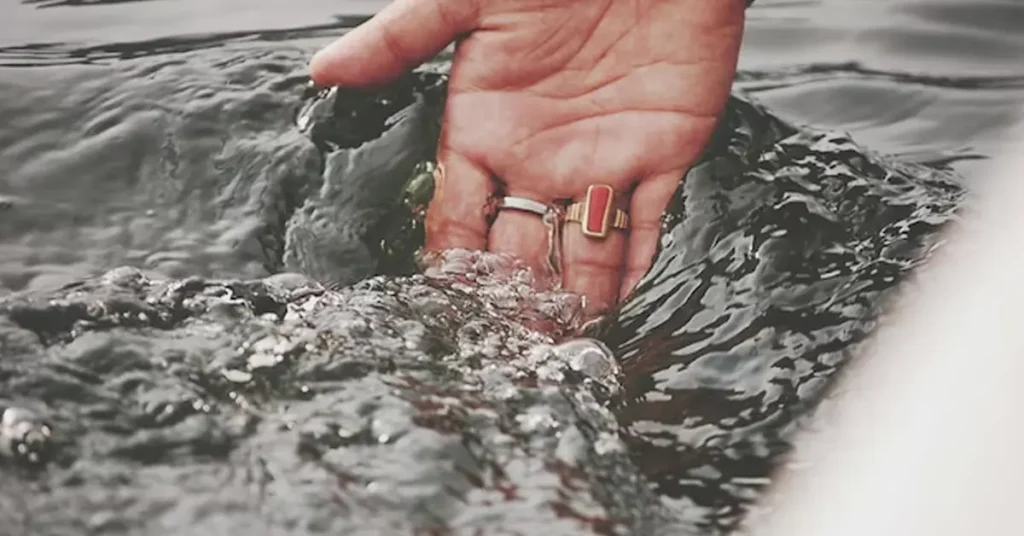
Yes, sterling silver can get wet, but it doesn’t mean it’s always safe. Water itself won’t ruin silver right away, but the type of water and how often it touches your jewelry make a big difference.
So while a little splash won’t hurt, wearing sterling silver in the shower, pool, or ocean can shorten its life and beauty. The safest choice is to keep it dry whenever possible.
Why Is It Important To Know If Sterling Silver Can Get Wet?
Knowing whether sterling silver can get wet saves you from damage and disappointment. Many people wear silver jewelry every day, while washing hands, showering, or swimming, without thinking about the effects. Over time, this can lead to rust, dullness, or even green marks on the skin.
When you understand the risks, you can make better choices, like removing your jewelry before a swim or drying it right away after washing. This knowledge helps your sterling silver stay shiny, strong, and beautiful for years.

What About Pure Silver In Getting Wet?
Pure silver, or fine silver (99.9% silver), does not tarnish as quickly as sterling silver when it gets wet. However, it is still not fully safe around water. Pure silver is very soft and can scratch, bend, or lose its shine faster if exposed to water, soaps, or chemicals.
So while pure silver may resist rusting better, it is not ideal for everyday wear in water. Just like sterling silver, it’s best to keep pure silver jewelry dry to protect its beauty and shape.
Everyday Situations with Water
Sterling silver can handle small splashes like washing hands, but daily exposure to showers, pools, or saltwater speeds up tarnish. It’s safer to remove jewelry before such activities.
Can You Wash Your Hands While Wearing Sterling Silver?
Yes, you can wash your hands while wearing sterling silver, but don’t leave it wet for long. Soap, lotions, and minerals in water can leave residue and make the silver dull faster. Always dry it well with a soft cloth.
Can You Wear Sterling Silver in the Shower?
It’s best not to wear sterling silver in the shower. Soap, shampoo, and hot water can leave a film that makes your jewelry look dull. Over time, constant showering speeds up tarnish, fades and reduces shine.
Please read our full guide on wearing sterling silver in the shower.
Can You Wear Sterling Silver in a Swimming Pool?
No, wearing sterling silver in a swimming pool is risky. Chlorine and other pool chemicals react with silver, causing it to tarnish and darken quickly. To keep your jewelry shiny, always take it off before swimming.
Can You Wear Sterling Silver in Saltwater?
No, saltwater is very harsh on sterling silver. The salt speeds up tarnish, turns yellow and can even cause corrosion over time. Always remove your jewelry before swimming in the ocean to keep it safe and shiny.
Can You Wear Sterling Silver in a Hot Spring?
No, hot springs are one of the worst places for sterling silver. The minerals and sulfur in the water react strongly with silver, causing heavy tarnish and even permanent damage.
Can You Wear Sterling Silver in a Hot Tub?
No, hot tubs are unsafe for sterling silver. The mix of high heat and chlorine can quickly tarnish and weaken the metal. Always remove your jewelry before soaking.
What to Be Wary of When Showering with Silver Jewelery?
Showering with sterling silver may seem harmless, but it carries hidden risks that can shorten the life of your jewelry. Even small traces of chlorine in tap water or bath products can react with silver, speeding up tarnish and dulling its shine. Soaps, shower gels, and shampoos often leave behind a thin film that builds up over time, making your jewelry look cloudy and less bright.
On top of that, wet and slippery conditions increase the chance of dropping your silver. A single fall on hard bathroom tiles can scratch or even bend delicate pieces. This is why it’s best to remove sterling silver before stepping into the shower.
| Tip: If you want your sterling silver to last longer, it’s best to remove it before stepping into the shower. |
What Are The Effects of Water on Sterling Silver?
Water itself doesn’t destroy sterling silver, but frequent contact changes the way your jewelry looks and lasts.
- Short-Term Effects – Silver may lose its shine, pick up water spots, or look cloudy after repeated exposure.
- Long-Term Effects – Salt, chlorine, and minerals in water cause tarnish, dark spots, and even corrosion. The tiny copper part in sterling silver reacts the most, making the piece age faster.
- Everyday Example – A silver ring worn in the shower daily may look dull in a few weeks, while one kept dry stays shiny much longer.
Does Sterling Silver Tarnish When Wet?
Yes, sterling silver can tarnish when it gets wet, especially if the water contains salts, chlorine, or minerals. Plain tap water may only dull the shine over time, but exposure to swimming pools, hot tubs, or the ocean speeds up tarnishing.
Tarnish happens because sterling silver is a mixture of pure silver and alloy. Copper reacts with moisture and chemicals in water, leaving behind dark spots or a cloudy surface.
How Long Does It Take Sterling Silver to Tarnish?
The time it takes for sterling silver to tarnish depends on how often you wear it and the environment it’s in. In normal conditions, it may take a few months to a year before you notice darkening. But in humid areas, near the ocean, or if exposed to sweat, chlorine, or perfumes, tarnish can appear within weeks.
Why Can You Use Water to Clean Sterling Silver If You Shouldn’t Get It Wet?
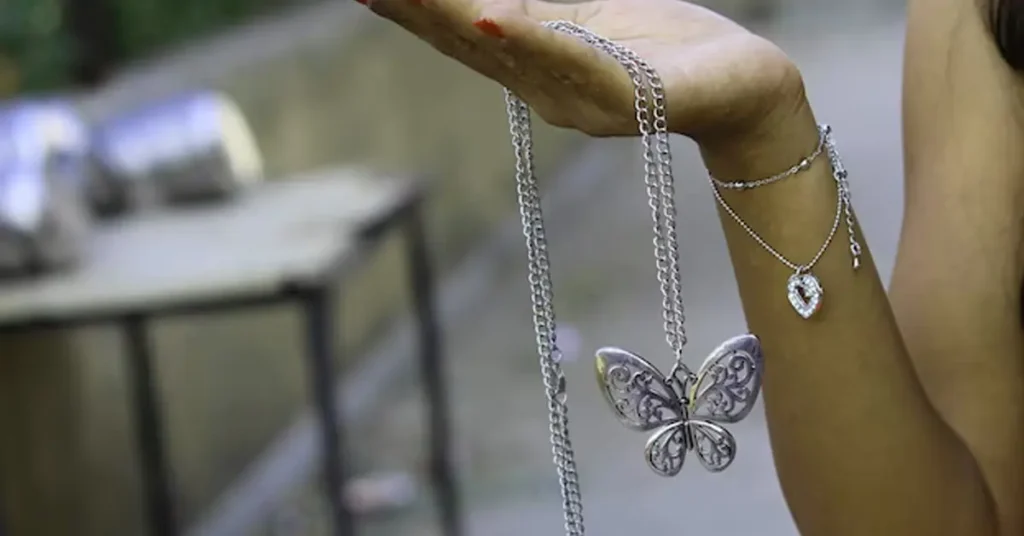
It sounds confusing, but the difference is in control and frequency. When you clean sterling silver with water, you use a small amount of mild soap and rinse it quickly, then dry it right away. This short and controlled contact doesn’t harm the metal.
On the other hand, wearing silver in water for long periods, like in pools, the ocean, or showers—exposes it to harsh chemicals, salts, and minerals that speed up tarnish.
How to Protect Sterling Silver from Water Damage
Sterling silver is beautiful, but water exposure can shorten its shine and life. Luckily, a few simple habits can keep it safe:
1. Dry Immediately
If your jewelry gets wet, pat it dry with a soft, lint-free cloth. Never leave it damp.
2. Store Properly
Keep silver in an airtight bag or a lined jewelry box. This limits contact with air and moisture.
3. Avoid Chemicals
Take off your jewelry before swimming, showering, or using cleaning products. Chlorine, salt, and soaps can damage silver quickly.
4. Use Anti-Tarnish Helpers
Store silver with anti-tarnish strips or silica gel packs to slow down tarnishing.
5. Wear Smart
Put your jewelry on last, after lotions, perfumes, or hair products. This prevents residue buildup.
How to Take Care of Sterling Silver: Care Tips
Sterling silver is beautiful, but it needs a little care to stay shiny. If you follow these simple tips, your jewelry will last for years without losing its sparkle.
Proper Storage
Keep your sterling silver in a dry place. Use sealed zip bags or a jewelry box lined with anti-tarnish cloth. Keeping it away from air and moisture slows down tarnishing.
Regular Cleaning
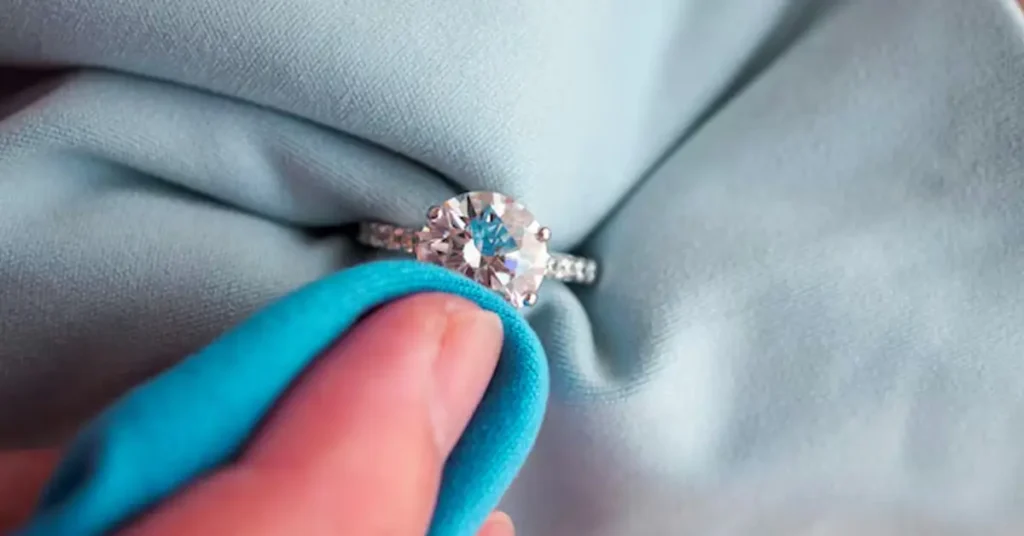
Wipe your silver with a soft microfiber or jewelry polishing cloth after wearing it. It cleans fingerprints, oils, and sweat that can dull its shine. For deeper cleaning, use mild soap and warm water, then dry it completely with a gentle towel.
Avoid Harsh Chemicals
Chlorine, bleach, perfumes, lotions, and cleaning sprays can harm silver. Take your jewelry off before swimming, showering, or cleaning the house to protect it from damage.
Wear With Caution
Everyday wear is fine, but avoid using sterling silver jewelry during workouts, gardening, or heavy lifting. These activities can cause scratches or expose it to sweat and chemicals.
Put Jewelry On Last
Make silver the last step in your routine. Apply makeup, lotion, hairspray, or perfume first, and then wear your jewelry. This prevents chemical buildup and keeps it shining longer.
Professional Maintenance
If your jewelry becomes heavily tarnished or scratched, take it to a professional jeweler. They have special tools to polish and restore your silver without damage.
Keep Sterling Silver Separate from Other Metals
Store silver jewelry separately from gold, stainless steel, or costume pieces. Different metals can rub against each other and cause scratches or reactions that dull the shine.
Cleaning and Maintenance of Sterling Silver Jewelry
Sterling silver can lose its shine over time, but with the right cleaning steps, you can keep it looking as good as new.
How to Clean Sterling Silver Jewelry at Home
- Mix 3 to 4 drops of mild dish detergent with warm water.
- Dip your jewelry for 6–10 minutes.
- Use a soft toothbrush or cloth to slowly scrub away dust.
- Wash with pure water and dry completely with a soft towel.
- For extra shine, use a silver polishing cloth.
How to Clean Tarnished Sterling Silver?
- Use aluminium foil to line a bowl, shiny side up.
- Add warm water, 1 tbsp of baking soda, and 1 tbsp of salt.
- Place your silver in the solution for 2–5 minutes.
- Rinse and dry it well. This method helps remove tarnish by reversing the chemical reaction.
What Should I Do if Salt Water Contacts My Sterling Silver?
If your jewelry touches salt water, rinse it with fresh water right away. Dry it completely with a soft cloth to prevent tarnish and corrosion. Salt water is harsh on silver, so quick cleaning helps avoid long-term damage.
Why Does Sterling Silver Turn Skin Green?
Sterling silver sometimes reacts with sweat, lotions, or the natural acids in your skin. This reaction creates copper salts (since sterling silver contains copper), which can leave a greenish tint on your skin. It’s harmless, but it can be annoying.
What Are The Facts And Myths Related To 925 Sterling Silver?
| Facts | Myths |
|---|---|
| Sterling silver is 92.5% solid silver mixed with 7.5% copper for strength. | Tarnish means the jewelry is fake. |
| Wearing sterling silver often helps prevent tarnish because skin oils protect it. | Green marks on the skin mean poor quality. |
| Tarnish is natural and can be easily cleaned with polishing or mild cleaning. | Sterling silver is not real silver. |
| A hallmark like “925” proves it’s genuine sterling silver. | Sterling silver lasts only a short time. |
Conclusion: Can Sterling Silver Get Wet?
Sterling silver can handle a little water, but it’s not completely safe in every situation. Fresh tap water usually doesn’t harm it, but salt water, chlorine, soaps, and harsh chemicals can speed up tarnish and damage. Wearing your silver in the shower, pool, or ocean may dull its shine faster.
The good news is that with proper care, like drying it quickly, storing it safely, and cleaning it regularly, your sterling silver can last for decades. Treat it with care, and it will stay bright and beautiful for years to come.
FAQs – Can Sterling Silver Get Wet?
Can you shower with sterling silver?
You can, but it’s not the best choice. The water itself isn’t the biggest problem—it’s the soap, shampoo, and body wash that leave a thin film on silver. This film makes jewelry look cloudy and dull. Also, hot water and steam can speed up tarnish. If you shower once in a while with silver, it’s fine, but daily showers will damage the shine faster.
What happens if you get sterling silver wet?
A little water won’t destroy sterling silver. For example, washing your hands quickly isn’t a problem if you dry the ring right after. But if silver stays wet for a long time, minerals, chlorine, or salt in the water can cause tarnish and dark spots. Over time, the copper in sterling silver reacts with these elements, and the jewelry loses its brightness.
How waterproof is sterling silver?
Sterling silver is not fully waterproof. It can handle brief contact with clean water, but it isn’t designed to stay wet for long periods. Think of it like leather shoes, you can wear them in light rain, but if you soak them daily, they’ll get ruined. The same goes for silver: short water contact is okay, constant soaking is not.
Can you wear sterling silver every day?
Yes! Sterling silver is a strong metal and perfect for daily wear. Many people wear silver rings, circle chains, or bracelets every day. The trick is to take them off before swimming, showering, or cleaning. If you keep your jewelry clean and store it properly at night, it can last for decades while still looking beautiful.
What jewelry is waterproof?
Some metals are much more water-friendly than sterling silver. Stainless steel, platinum, titanium, and solid gold (not gold-plated) don’t tarnish or corrode easily, even in water. These metals are great choices if you want jewelry you can wear all the time, even in the shower or pool, without worrying about damage.