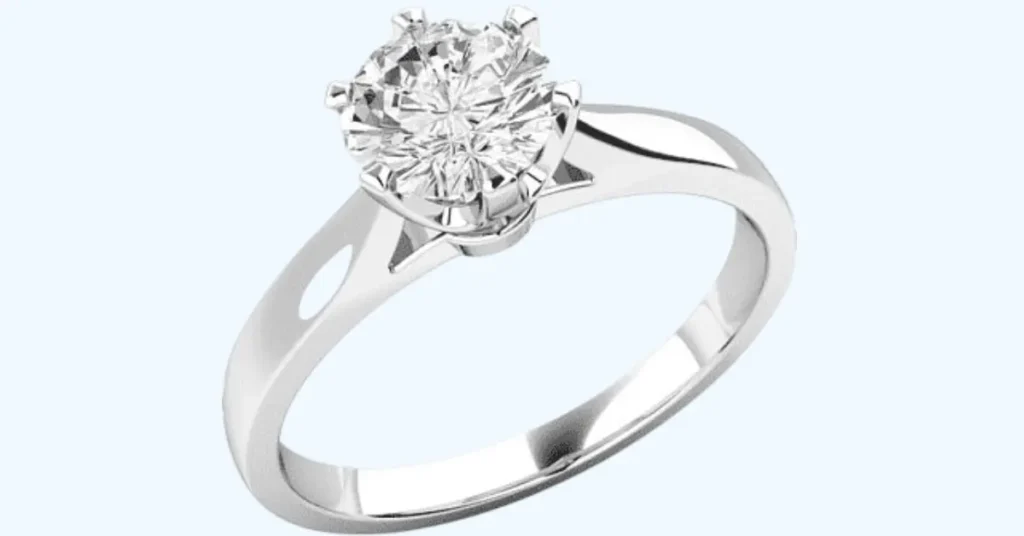
When shopping for jewelry, two names often come up: 925 sterling silver and 14kt white gold. Both look shiny, elegant, and stylish, but they are not the same. Each has its own beauty, value, and care needs.
People often compare them when buying wedding rings, necklaces, or earrings. Some look at style and shine, while others focus on durability, skin comfort, or long-term investment. Knowing the difference helps you make a smart choice for both fashion and budget.
In this guide, we’ll break down the key differences between sterling silver vs white gold. You’ll learn about their appearance, durability, price, care tips, and even how to style them together.
What is White Gold?
White gold is not a pure metal. It is made by mixing yellow gold with other metals like nickel, palladium, or silver to give it a white tone. Most white gold jewelry is also coated with rhodium, which adds shine and protects the surface. The most common type is 14kt white gold, which means it has 58.5% pure gold and the rest is alloy metals.
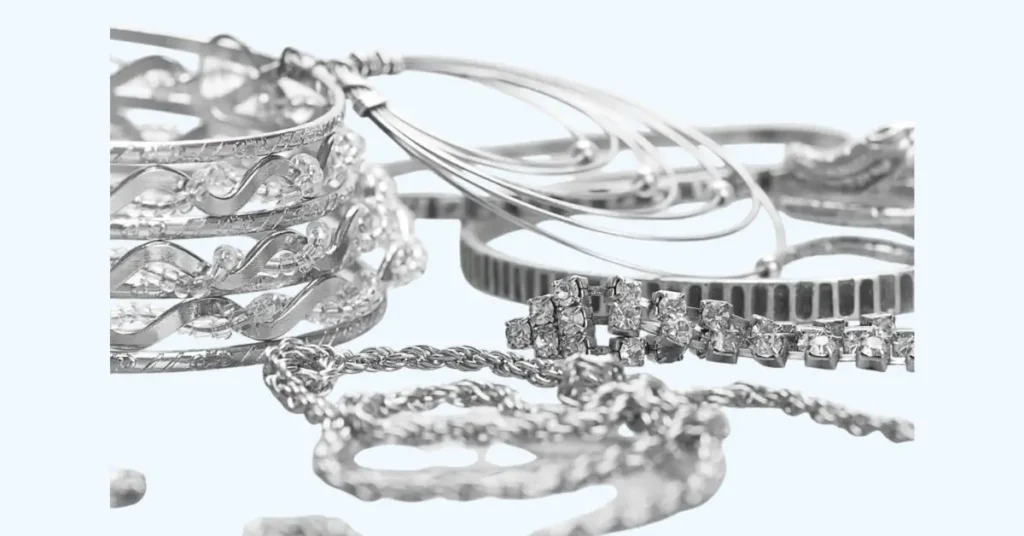
What is Sterling Silver (925)?
Sterling silver is a combination of 92.5% regular silver and 7.5% alloy, mostly copper. That’s why it is called 925 silver. The added metals make silver stronger since pure silver is too soft to use in jewelry.
What Is The Difference Between Sterling Silver And White Gold?
The key dissimilarity is that 925 sterling silver is softer, more affordable, and prone to tarnish, while white gold is stronger, pricier, and maintains its shine longer. Let’s discuss in detail.
Also read our other detailed comparison on sterling silver vs silver.
Sterling Silver Vs White Gold – What is The Composition and Properties Difference?
Sterling silver is pure silver mixed with alloys, while white gold is gold blended with metals like nickel or palladium. Silver is softer, but white gold is harder and more durable.
What’s The Metal Alloys and Purity (Karat vs. 925) Difference?
- White Gold (14kt): 58.5% gold + alloy metals for strength and whiteness.
- Sterling Silver (925): 92.5% silver + 7.5% copper (or similar metals).
This difference in composition affects not only durability but also how each metal reacts to tarnish, scratches, and daily wear.
Hallmarks
Both metals usually have small stamps (hallmarks) to show authenticity:
- Sterling silver often has a “925” mark.
- White gold may have “14K,” “18K,” or “585” stamped, depending on its purity.
These markings help buyers know they are getting real silver or gold instead of plated or fake jewelr
What’s The Appearance Difference Between Sterling Silver And White Gold?
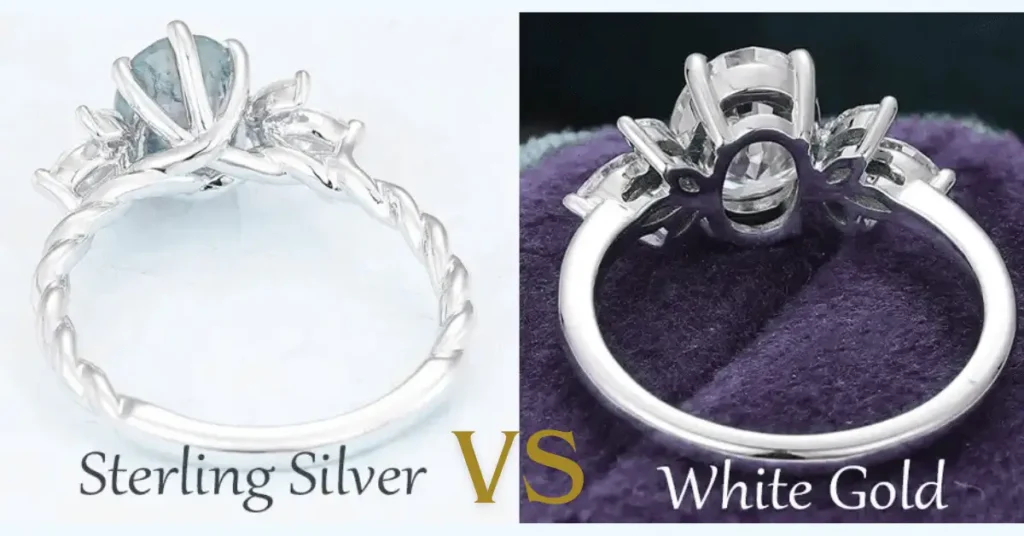
When you first see 925 silver and 14k gold in white color side by side, they may look very similar. Both metals have a bright, shiny finish that makes them popular in fine jewelry. But when you look closer, the differences start to show.
Sterling Silver Versus White Gold Color Variation
- Sterling Silver (925): Has a soft, natural white tone with a bright shine. Its glow is slightly warmer, giving jewelry a classic and timeless feel.
- White Gold (14kt): Has a cooler, more mirror-like brightness. It often looks more “luxurious” because of its high-polish finish.
If you place them side by side, white gold often looks shinier, while silver looks more subtle and understated.
What Is The Difference in Rhodium Plating Of Sterling And White Gold
Most white gold jewelry is coated with rhodium, a precious metal that adds extra shine and durability. This layer also makes it appear whiter than silver. Sterling silver does not have rhodium by default, but some pieces may be plated to reduce tarnishing.
What Is Tarnish And Patina?
- Tarnish: Over time, it develops a darker surface layer called tarnish. Some people love this vintage look, while others prefer to polish it back to a bright shine.
- Patina: It doesn’t tarnish but may develop a slight patina (a soft, matte look) with daily wear. This can be re-polished by a jeweler.
Even though sterling silver and white gold may look alike, their makeup is very different. Knowing what each metal is made of helps you understand their strength, purity, and value.
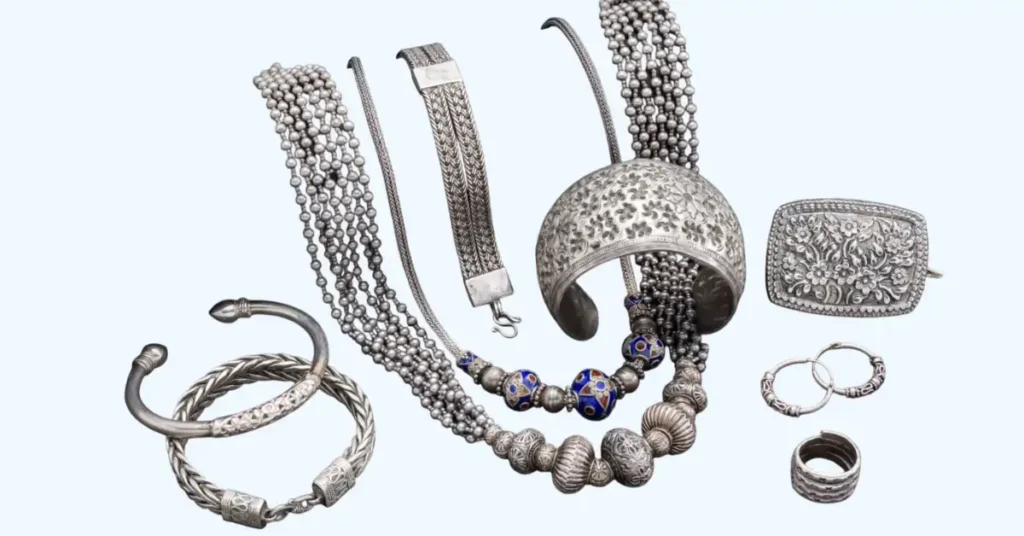
What Is The Durability and Maintenance For White Gold vs. Sterling Silver?
Durability is one of the biggest contrasts between sterling silver and white gold. While both can last for years, their strength, resistance, and care needs are not the same.
Scratch, Erosion And Tarnish Resistance
- Sterling Silver (925): Softer than white gold, which makes it easier to scratch or bend. It also tarnishes when exposed to air, moisture, or chemicals.
- White Gold (18k): Much harder and more resistant to scratches. It doesn’t tarnish, but over time, the rhodium plating may wear off and need re-coating.
What Are Cleaning and Care Tips?
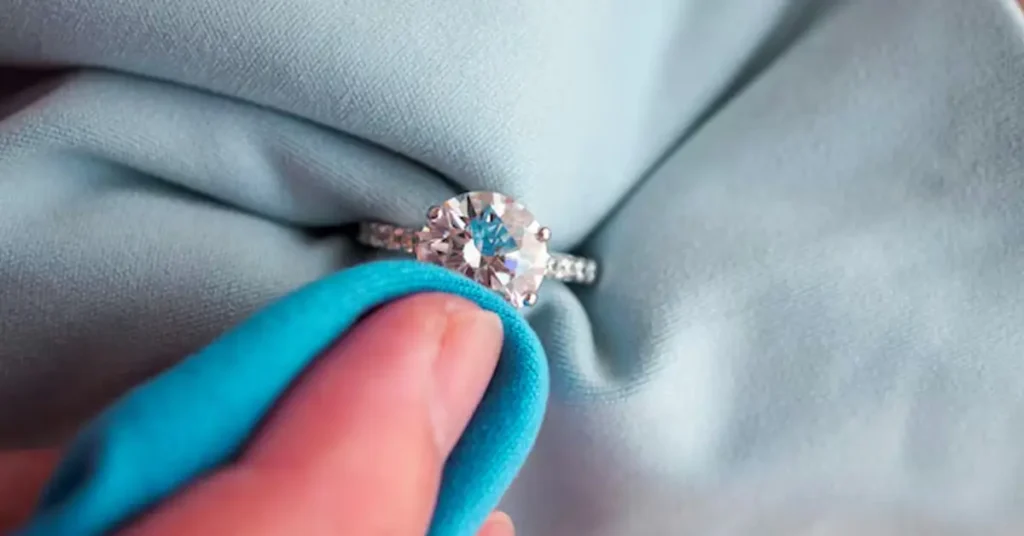
- Sterling Silver: Needs regular cleaning to prevent tarnish. A simple polishing cloth or silver cleaner keeps it shiny. Storing it in airtight bags also helps.
Read full care tips for sterling silver to keep your jewelry safe from tarnishing.
- White Gold: Requires less frequent cleaning. However, to keep the bright rhodium finish, jewelers often recommend re-plating every few years.
What Are The Lifetime and Durability?
- Sterling Silver: With proper care, 925 silver can last for decades. But it may lose shape faster if worn daily in heavy-use jewelry like rings.
- White Gold: Known for long-term durability. It is a better choice for everyday jewelry like engagement and wedding rings.
925 Silver Vs 14K White Gold – What’s The Impact On Health and Lifestyle?
When choosing jewelry, it’s not just about beauty or cost. Comfort, skin safety, and how the metal fits into your daily lifestyle also matter.
Hypoallergenic Properties
- Sterling Silver (925): Pure silver is hypoallergenic, but the 7.5% copper or other metals may sometimes cause mild irritation in very sensitive skin.
- White Gold (14kt): The gold itself is safe, but alloys like nickel can cause allergic reactions. Many jewelers now use nickel-free alloys for safer wear.
Allergic Reactions And Skin Sensitivity
- People with nickel allergies often prefer sterling silver or white gold with palladium alloys.
- Rhodium plating on white gold adds a protective layer, which helps reduce allergic reactions but may wear off over time.
Daily Wear and Lifestyle
- Sterling Silver: Best for occasional or light daily wear. If exposed to water, sweat, or chemicals often, it tarnishes faster.
- White Gold: Better for everyday jewelry like engagement or wedding rings. It holds up against daily wear and looks elegant for longer.
How Jewelry Design and Styles Different In White Gold And Silver?
Sterling silver and 18k white gold are both popular in jewelry design, but they serve slightly different purposes. The choice often depends on budget, fashion trends, and the occasion.
Wedding And Engagement Rings
- White Gold: A top choice for engagement and wedding rings because of its durability and luxurious shine. It pairs well with diamonds and other gemstones.
- Sterling Silver: Less common for wedding rings since it scratches and tarnishes more easily. However, it’s still chosen by those who want a budget-friendly option.
Read our full guide on wedding ring vs engagement ring to understand the difference.

Necklaces, Earrings And Bracelets
- Sterling Silver: Widely used for casual and fashion jewelry. It’s affordable, versatile, and comes in endless designs.
- White Gold: Preferred for fine jewelry pieces. Its shine and durability make it perfect for heirloom-quality necklaces and earrings.
Modern Trends and Styles
- Sterling Silver: Popular in boho, minimalist, and everyday wear collections. Designers love silver for its flexibility and affordability.
- White Gold: Seen in luxury collections, bridal sets, and timeless pieces. It’s ideal for anyone who wants jewelry that stays elegant for years.
What Is The Cost and Value Of Sterling Silver Or White Gold?
Price is often the biggest factor when choosing between sterling silver and white gold. Both have value, but they appeal to different budgets and long-term goals.
Affordability and Budget
- Sterling Silver (925): Much more affordable than white gold. It’s a great choice if you want stylish jewelry without spending too much. Silver pieces are often priced for everyday wear or fashion use.
- White Gold (14kt): More expensive because of its gold content and rhodium plating. It’s considered a luxury purchase and often reserved for special jewelry like engagement rings or fine heirlooms.
Investment and Value Preservation
- Sterling Silver: While it has resale value, it usually doesn’t appreciate much over time. It’s best enjoyed as wearable fashion rather than an investment.
- White Gold: Holds its value better due to the gold content. It can also be resold at a higher price, especially if it includes diamonds or gemstones.
How does the Environment Affect white gold compared to Silver?
Jewelry doesn’t just face daily wear; it also reacts to the environment around you. Factors like chemicals, water, and air exposure can affect both sterling silver and white gold differently.
Exposure to Chemicals & Corrosion
- Sterling Silver (925): Easily affected by chemicals such as perfume, chlorine, lotions, and cleaning products. These speed up tarnishing and can damage the surface.
- White Gold (14kt): More resistant to chemicals, but harsh substances can still wear down the rhodium plating over time.
Maintenance for Long-Term Shine
- Sterling Silver: Needs regular polishing and proper storage in airtight bags to slow down tarnish. Wearing it often actually helps keep it shiny, since friction reduces oxidation.
- White Gold: Easier to maintain day-to-day. Occasional cleaning with mild soap and water is enough, but rhodium re-plating every few years is recommended to restore its bright finish.
What Are The Pros and Cons of White Gold vs. Sterling Silver?
Every metal has its strengths and weaknesses. Comparing the advantages and disadvantages to helps you decide which one matches your budget, lifestyle, and style needs.
| Aspect | White Gold (14kt) | Sterling Silver (925) |
|---|---|---|
| Pros | – Strong and durable – Luxurious, shiny finish – Doesn’t tarnish easily – Holds resale value better | – Affordable and budget-friendly – Classic, timeless shine – Easy to style for casual or formal wear – Widely available in many designs |
| Cons | – Expensive compared to silver – Needs rhodium re-plating – Nickel alloys may cause allergies | – Softer and scratches easily – Tarnishes over time – Requires regular cleaning – Lower long-term value |
Styling Tips: How To Wear Them Together?
Some people think you can’t mix metals, but that’s not true anymore. Sterling silver and white gold can look amazing when styled the right way. The trick is balance and confidence.
Use a Solid Bridge Piece
Wear an accessory that blends both metals, like a two-tone watch or bracelet. This creates a natural link between silver and white gold pieces.
Learn the Basics of Layering
Stack silver and white gold necklaces or rings together. Start simple, like pairing a white gold chain with a silver pendant, to create contrast without clashing.
Match the Style, Not Just the Color
Focus on keeping the design theme consistent. For example, pair minimalist silver rings with sleek white gold bands instead of mixing very different styles.
Balance with Symmetry
When layering bracelets or rings, balance both sides of your look. This keeps the mix polished instead of messy.
Style with Confidence
The best way to pull off mixed metals is confidence. If you wear it with purpose, the combination will always look stylish and modern.
White Gold vs. Sterling Silver: Which Should You Choose?
At the end of the day, both metals have their place in jewelry. The right choice depends on your budget, lifestyle, and style preferences.
- Choose White Gold if:
- You want a luxurious and durable metal for daily wear.
- You’re investing in engagement or wedding rings.
- You prefer jewelry that holds long-term value.
- Choose Sterling Silver if:
- You want affordable, stylish jewelry for everyday fashion.
- You enjoy experimenting with different designs and trends.
- You’re looking for a classic, timeless shine without the high cost.
In the end, both are beautiful, elegant, and versatile. The best option is the one that fits your style and your story.
The Final Sparkle: White Gold Vs Sterling Silver?
Both gold and silver are timeless choices that bring elegance and beauty to your jewelry collection. If you want luxury, durability, and long-term value, white gold is the perfect match. But if you’re after affordable style, versatility, and everyday wear, sterling silver is a winner.
The real answer? You can’t go wrong with either; choose the one that fits your lifestyle, budget, and personal taste. After all, the best jewelry is the one that makes you feel confident and shines with your story.
FAQs: Everything You Need to Know About Sterling Silver Vs White Gold
Which is better, white gold or sterling silver?
White gold is mighty and keeps its shine longer, making it great for rings or jewelry you wear daily. Sterling silver is softer but much more affordable. If you want durability, go for white gold. If you want style on a budget, silver is a smart choice.
Is sterling silver real gold?
No, sterling silver is not gold. It is made of 92.5% pure silver mixed with other metals like copper. It looks bright and shiny but is completely different from gold.
Why would you get white gold instead of silver?
People often choose white gold for its strength, shine, and luxury appeal. It’s perfect for fine jewelry like engagement rings or wedding bands. White gold also lasts longer than silver with proper care.
Does sterling silver turn green?
Yes, sometimes sterling silver can leave a green tint on your skin. This happens when it reacts with sweat, lotions, or chemicals. Regular cleaning and polishing can prevent this.
Which metal is better for daily wear?
White gold is better for everyday use because it’s harder and resists scratches. Sterling silver can still be worn daily, but it needs more care and cleaning. Both metals look stylish depending on your lifestyle.
Does white gold turn yellow?
Yes, over time white gold may show a yellowish tint as the rhodium plating wears off. This is natural and can be fixed by re-plating. Regular maintenance keeps it looking bright and new.
What is the disadvantage of white gold?
The main downside of white gold is its cost, it’s more expensive than silver. Also, it needs re-plating every few years to maintain its white shine. Still, many people think it’s worth it for the durability and beauty.
Can you wear white gold in the shower?
It’s best not to wear white gold in the shower. Soap, shampoo, and water can slowly dull the rhodium plating. Removing it before showering keeps it shiny for longer. The main downside is cost and the need for re-plating. It’s more expensive than silver and requires upkeep to keep its white color.
Is white gold silver?
No, white gold is not silver. White gold is made from yellow gold mixed with metals like nickel, palladium, or platinum, then coated with rhodium for a bright white shine. Silver, on the other hand, is a natural metal. They may look similar, but they are completely different metals.
How to tell the difference between silver and white gold?
You can tell silver and white gold apart by their markings and looks. Silver is usually stamped with “925” and can tarnish over time, while white gold is marked with karats like 14k or 18k and stays shiny longer. White gold also feels heavier and often has a brighter finish because of rhodium plating. These small details make it easy to spot the difference.