Many silver lovers want jewelry that remains shiny and beautiful for years. But the problem is, regular sterling silver can lose its sparkle, tarnish, and even turn skin green over time. This leaves people wondering if there’s a better option.
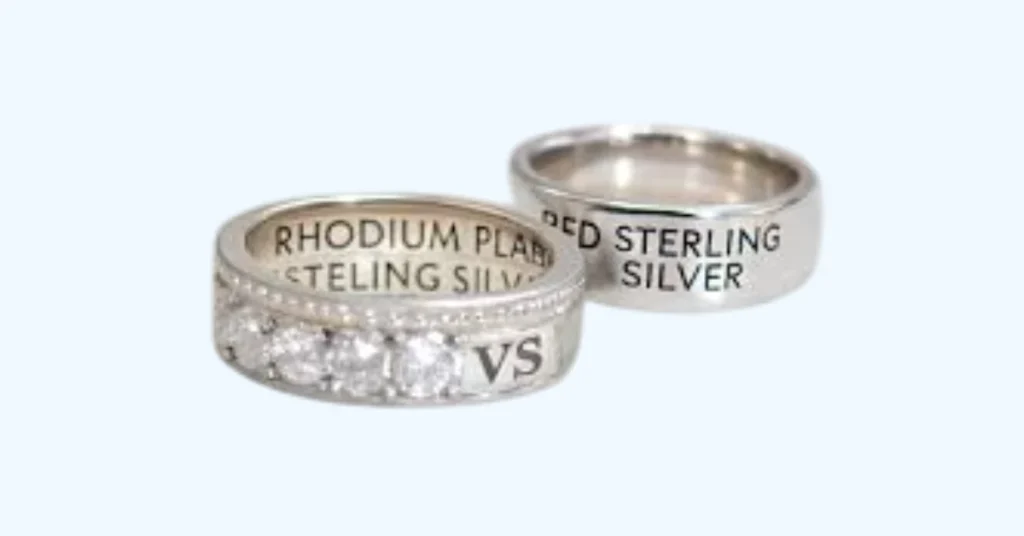
That’s where rhodium-plated sterling silver comes in. Rhodium, a rare metal from the platinum family, adds a thin protective layer over sterling silver. This extra shield makes the jewelry brighter, more durable, and resistant to tarnish.
In this guide, you’ll learn what scratch-resistant silver is, why it matters, how it compares to regular silver, and tips to care for it so your pieces last longer.
What is Sterling Silver?
Sterling silver is not pure silver. It’s made of 92.5% regular silver mixed with 7.5% copper. This blend makes the metal stronger because pure silver is too soft for daily wear.
But here’s the catch: copper reacts with air, water, and even sweat. That’s why sterling silver tarnishes over time, turning dull or dark. It doesn’t mean your jewelry is fake; it’s just the natural reaction of silver and copper.
This is exactly where rhodium plating is a solution. The thin rhodium layer acts like a shield, keeping your sterling silver shiny and stopping tarnish before it starts.
What is Rhodium?
Rhodium is a rare, shiny, and super-strong metal that belongs to the platinum family. It’s one of the most reflective metals in the world, which means it shines brighter than silver, gold, or platinum.
So why do jewelers love it? Rhodium is tough and tarnish-resistant. When used as a thin coating (plating) over sterling silver, it works like a protective shield. This keeps your jewelry brighter, stops it from tarnishing, and makes it last longer.
How Thick is Rhodium Plating?
Rhodium plating is extremely thin, usually just 0.75 to 1.0 microns thick. To give you an idea, that’s about 100 times thinner than a human hair.
Even though it’s thin, it’s strong enough to protect your sterling silver from tarnish and scratches. However, since the layer is so fine, it can wear off over time, especially on rings and bracelets that get more friction. That’s why some pieces may need replating every 1–2 years to keep their shine.
What is the Process of Rhodium Plating Sterling Silver?
Rhodium over silver is like giving sterling silver jewelry a shiny protective coat. The process usually goes through these steps:
- Cleaning the Silver – The sterling silver piece is carefully cleaned to remove dirt, oils, or tarnish. This helps the plating stick better.
- Polishing – Jewelers polish the silver to create a smooth surface. A smooth base ensures the rhodium coating looks even and glossy.
- Electroplating Bath – The jewelry is dipped into a solution with rhodium. Then, an electric current is used to bond a thin layer of rhodium onto the silver surface.
- Final Rinse and Drying – After plating, the jewelry is rinsed and dried. What you see is a bright, reflective finish that resists tarnish.
In simple words, the process is like wrapping your sterling silver in a super-thin, invisible armor that makes it shinier and longer-lasting.
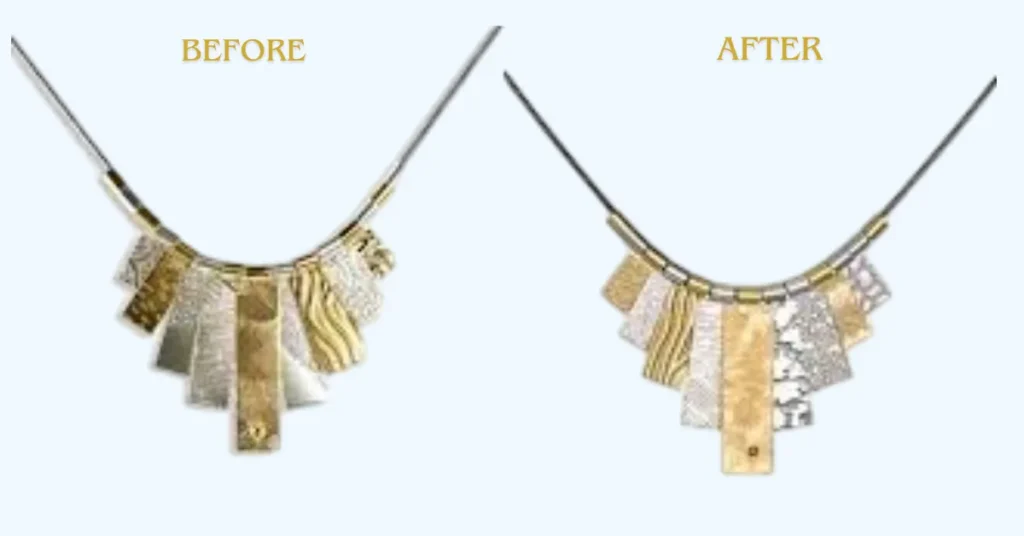
Is Rhodium-Plated Jewelry Safe to Wear?
Yes, rhodium coated jewelry is harmless for everyday wear. Rhodium itself is hypoallergenic, meaning it won’t cause allergies or itching on your skin. This makes it a great choice for people who are sensitive to nickel or other metals.
Since rhodium is also non-toxic and durable, you can enjoy your jewelry without worry. The only thing to remember is that the plating is thin, so it may faded over time and expose the sterling silver underneath, but that won’t harm your skin.
Can You Shower with Rhodium-Plated Jewelry?
It’s best not to shower with tarnish-resistant sterling silver jewelry. While rhodium is water-resistant and doesn’t tarnish, soaps, shampoos, and hot water can wear down the thin plating faster. Over time, this makes the silver underneath more likely to show and tarnish.
If you want your rhodium plated piece to stay shiny longer, remove it before showering or swimming. A quick habit like this can add years to the life of your jewelry.
Does Rhodium-Plated Sterling Silver Tarnish?
Rhodium itself does not tarnish. That’s one of the biggest reasons jewelers use it to coat sterling silver. The thin rhodium layer acts like a shield, keeping air and moisture from reaching the silver underneath. However, over time, the rhodium plating can wear off with daily use. Once that happens, the exposed sterling silver (92.5% silver + 7.5% copper) can start to tarnish just like normal silver.
So, while plated with rhodium sterling silver doesn’t tarnish right away, it still needs care to keep the plating intact and shiny.
How Long Does Rhodium Plating Last on Sterling Silver?
Rhodium plating on 925 silver usually lasts 6 months to 2 years, depending on how often you wear the jewelry. Rings and bracelets, which get more friction, may lose plating faster. Necklaces and earrings often stay plated longer.
With proper care, like avoiding harsh chemicals, storing jewelry safely, and gentle cleaning, you can extend the shine. And if the plating wears off, jewelers can replate the piece to make it look brand new again.
Think of rhodium plating as a protective coat. It doesn’t last forever, but with care, it keeps your silver jewelry shiny for a long time.
How to Make Rhodium Plating Last Longer?
Rhodium plating may be thin, but with the right care, it can stay shiny for a long time. The best way to protect it is by avoiding harsh chemicals like chlorine, perfumes, or cleaning products that can break down the coating.
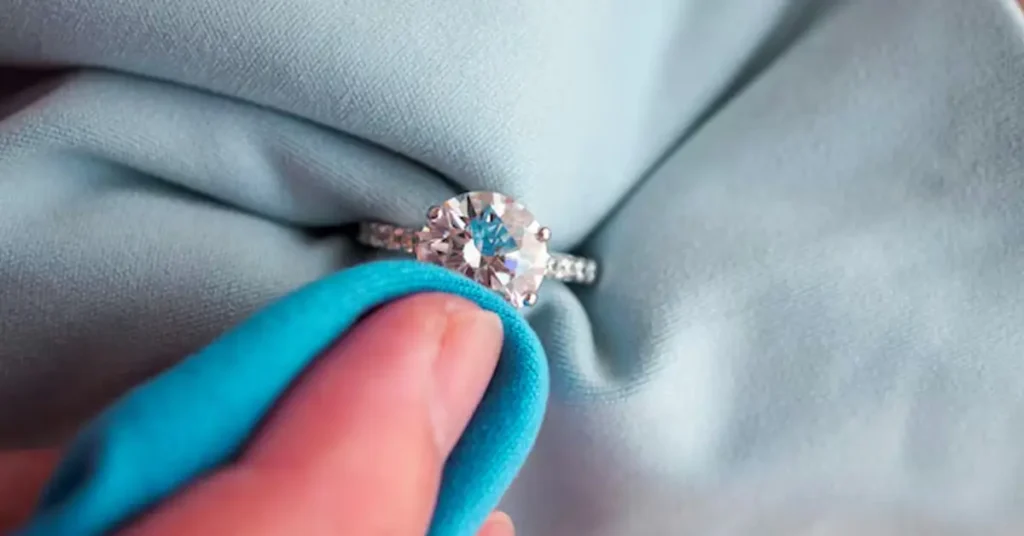
Always store your jewelry in a soft pouch or jewelry box, separate from other metals, to prevent scratches. After wearing, gently wipe it with a soft cloth to remove oils or dirt instead of using strong cleaners. Since rings and bracelets face more friction, try not to wear them every single day, rotating your pieces helps the plating last longer.
And if the bright finish eventually fades, you don’t need to worry; a jeweler can easily replate your sterling silver to make it look as good as new.
What Are The Pros And Cons Of Rodium Plating Sterling Silver?
| Benefits | Drawbacks |
|---|---|
| Longer-lasting shine – Keeps jewelry bright and reflective for longer than plain silver. | Plating wears off over time – The thin layer of rhodium eventually fades. |
| Tarnish resistance – Protects against dullness and dark spots. | Needs re-plating every few years – To maintain the look, professional re-plating is required. |
| Stronger protection from scratches – Rhodium is harder than silver, adding durability. | Can cost more than plain sterling silver – The extra plating process raises the price. |
| Hypoallergenic benefits – Safe for sensitive skin, reducing allergic reactions. |
Rhodium Plating Sterling Silver VS Sterling Silver – What Is The Difference?
| Feature | Rhodium Plated 925 Silver | Regular Sterling Silver |
|---|---|---|
| Look | Extra bright, mirror-like shine. | Natural shine but dulls faster. |
| Durability | Harder surface, more scratch-resistant. | Softer, scratches and bends more easily. |
| Tarnish Resistance | Highly resistant, stays shiny longer. | Prone to tarnish due to copper content. |
| Price | Costs more because of plating. | More affordable option. |
| Maintenance | Needs re-plating every few years. | Needs regular polishing and cleaning. |
Which is Better for Daily Wear?
If you want jewelry that looks bright and needs less cleaning, rhodium coating is the better choice. But if you prefer a budget-friendly option and don’t mind regular polishing, plain sterling silver works well too.
Is It Worth Buying Rhodium-Plated Jewelry?
Yes, rhodium plated jewelry is worth buying if you want extra shine, better durability, and tarnish resistance compared to plain sterling silver. The rhodium layer gives jewelry a bright, mirror-like finish that looks like white gold or platinum. It also helps protect against scratches and is safe for sensitive skin.
However, the plating does wear off over time and may need re-plating every couple of years, especially with daily wear. If you’re looking for jewelry that stays shiny longer with less maintenance, a rhodium finish is a smart choice.
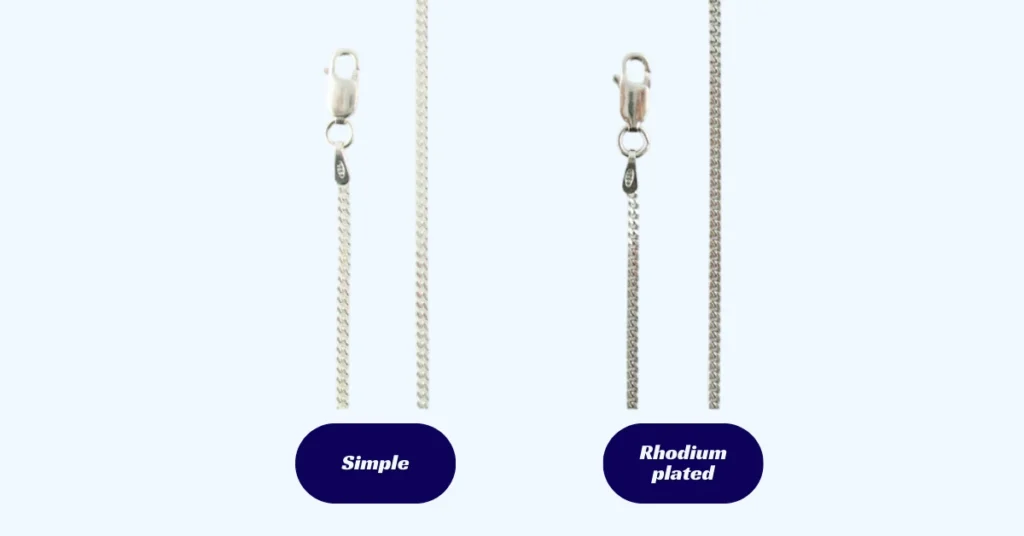
Conclusion: Is Rhodium Layer 925 Silver Worth It?
Rhodium overlay sterling silver gives you the best of both worlds—the strength of sterling silver and the shine of rhodium. It lasts longer, resists tarnish, and is great for people with sensitive skin. While the plating does wear off and may need re-plating after a few years, the beauty and durability it offers make it a smart choice.
If you want jewelry that looks like white gold or platinum without the high price, rhodium protection sterling silver is a great option. Just remember to care for it properly, and your pieces will keep their shine for years.
FAQs about Rhodium Covering Sterling Silver
Will rhodium plated sterling silver turn your finger green?
No, it usually won’t. The rhodium layer acts like a shield between your skin and the sterling silver underneath, preventing reactions that cause green marks. However, once the plating wears off, the exposed silver may cause some discolouration if your skin is sensitive.
Is rhodium plated sterling silver good?
Yes, it’s a great choice. It looks shinier than plain sterling silver, resists tarnish, and is hypoallergenic, making it safe for sensitive skin.
How long does rhodium plated sterling silver last?
With regular use, the plating can last 1 to 3 years before fading. If you take good care of it—keeping it dry, storing it properly, and avoiding chemicals, it can last longer.
Is rhodium plated silver pure silver?
No, it’s not pure silver. It’s sterling silver (92.5% silver + 7.5% other metals) with a thin layer of rhodium on top for extra shine and protection.
Is rhodium plated silver worth anything?
Yes, because the base is still sterling silver, which has real value. The rhodium layer adds beauty and durability, but it’s very thin and not sold for scrap value.
Is rhodium plated better than 925 sterling silver?
It depends. Rhodium plating makes silver shinier, stronger, and more resistant to tarnish, but it requires re-plating over time. Plain sterling silver doesn’t have plating, so it can tarnish faster but doesn’t wear off.