There has always been a symbol of beauty and value in silver. From ancient legends about silver protecting against werewolves to its use in coins, spoons, and even the famous “silver screen,” this metal has a rich and shiny history. But when it comes to buying jewelry or gifts, many people get stuck on one common question: sterling silver vs silver, how to distinguish them?
The problem is simple: both look almost the same, but their strengths, durability, and prices differ. Buyers often worry: Will my silver jewelry tarnish? Is sterling silver real or just plated? Which one should I choose for long-lasting use?
The good news is that this guide has the solution. We’ll clearly explain the difference between sterling silver and silver purity level, how to tell them apart, their pros and cons, and practical tips to choose the right one. By the end, you’ll know exactly which type of silver alloys fits your style, budget, and needs.
What is Silver?
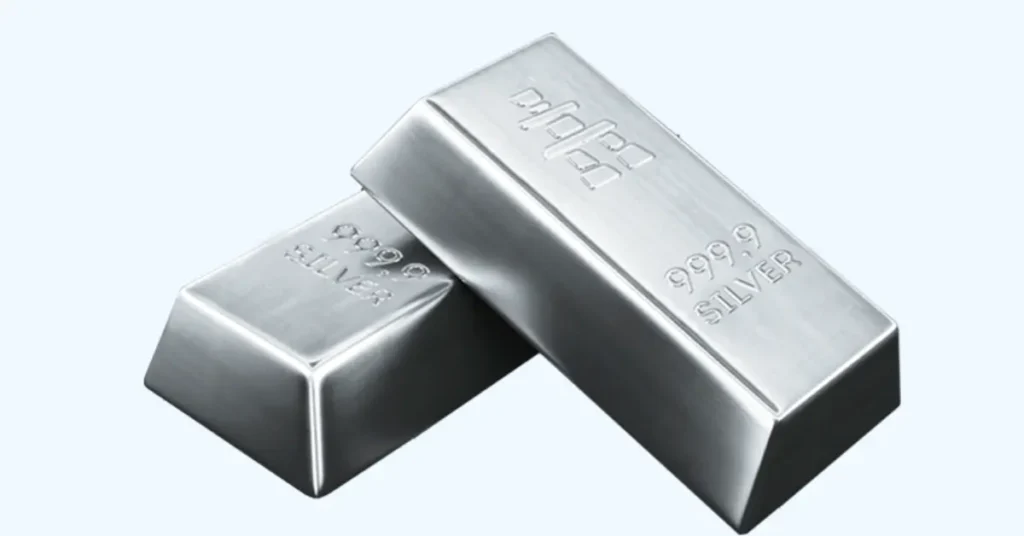
Pure silver means the metal is almost 100% silver, with no other metals mixed in. This type of silver is soft metal and can be scratched or bent easily. Because of that, it is not always the best choice for jewelry that you wear every day. Pure silver is also called “fine silver” and is marked as 999 silver, which means it is 99.9% pure.
Uses for Silver
Silver is not only beautiful but also very useful. Some common uses include:
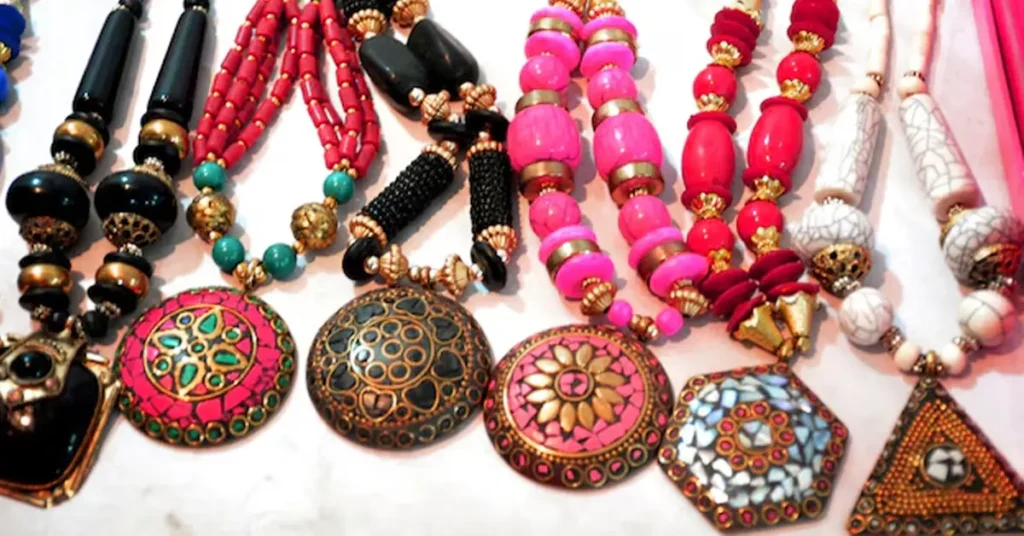
- Jewelry – rings, necklaces, and bracelets.
- Coins and collectibles – used in currency and investment pieces.
- Household items – spoons, trays, and decorations.
- Technology – silver is used in electronics and solar panels because it conducts electricity well.
- Medicine – in some cases, silver is used in medical tools and wound care.
What is 925 Sterling Silver?
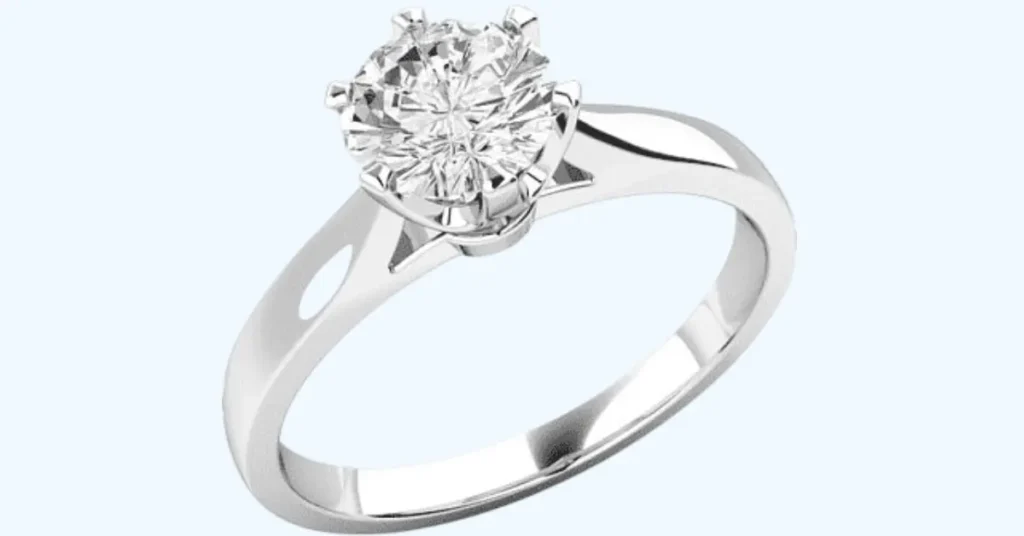
Sterling silver means the metal is made of 92.5% fine silver and 7.5% alloy. This number is often stamped on jewelry as “925” so buyers know it’s real sterling silver. The added metals give it support while keeping the shiny look of silver.
Uses for Sterling Silver
Sterling silver is popular in many areas of life. Some common uses include:
- Jewelry – rings, earrings, bracelets, necklaces.
- Fashion accessories – watches, cufflinks, and belt buckles.
- Homeware – cutlery, serving trays, and decorations.
- Collectibles – coins, medals, and special edition items.
Is Sterling Silver Real?
Yes, 925 silver is real silver. The main difference is that it isn’t 100 percent pure. Instead, it’s a mix that contains mostly metalic silver with a small part of other metals. This makes it both authentic and practical for everyday use.
Why is Sterling Silver Used in Jewelry?
Sterling silver is used in jewelry because it is strong, affordable, and beautiful. Regular silver is too soft for daily wear, but sterling silver balances strength and shine. It also allows jewelers to create detailed designs without the risk of easy damage.

How Is Sterling Silver Different From Pure Silver?
Sterling silver has 92.5% silver combined with an alloy of 7.5% of other metals, usually copper, for strength. Pure silver is 99.9% silver, but too soft for daily use. At first glance, sterling silver and pure silver look almost the same. But when you look closer, there are important differences that affect price, durability, and daily use. Knowing these differences helps buyers make a smart choice.
| Feature | Pure Silver (99.9%) | Sterling Silver (92.5%) |
|---|---|---|
| Silver Content | 99.9% pure silver (marked 999) | 92.5% silver + 7.5% other metals (marked 925) |
| Hardness & Durability | Very soft, bends and scratches easily | Stronger, more durable, better for daily use |
| Color & Shine | Bright white shine | Slightly warmer tone, still shiny |
| Tarnishing | Tarnishes slowly | Tarnishes faster but easy to clean/polish |
| Common Uses | Coins, collectibles, display pieces | Jewelry, cutlery, accessories, homeware |
| Melting temperature | 961°C (1,763°F). | 893°C (1,640°F). |
What Are The Benefits And Drawbacks Of Sterling Silver And Fine Silver?
Sterling silver is strong, affordable, and great for jewelry but can tarnish over time. Fine silver is purer and shinier but too soft for daily wear.
Pros And Cons Of Sterling Silver
| Pros | Cons |
|---|---|
| Strong and durable for everyday use More affordable than regular silver Popular for jewelry and accessories Easier to shape into detailed designs | Tarnishes faster because of copper Slightly less shiny than pure silver Needs regular polishing |
Pros And Cons Of Silver
| Pros | Cons |
|---|---|
| 99.9% pure silver (highest quality) Bright white shine Hypoallergenic for most people Excellent for coins and collectibles | Very soft and bends easily Scratches quickly Not practical for daily wear jewelry Usually more expensive |
Does Sterling Silver Tarnish? What about Pure Silver?
Yes, sterling silver tarnishes faster than pure silver because of the small amount of copper mixed in. Pure silver tarnishes too, but more slowly. In both cases, regular cleaning and proper storage help keep the shine.
Sterling Silver VS Silver – How to Keep Them from Tarnishing?
You can slow down tarnishing with good care:
- Store silver jewelry in airtight bags.
- Keep it away from perfumes, lotions, and chemicals.
- Wipe jewelry after wearing to remove sweat or oils.
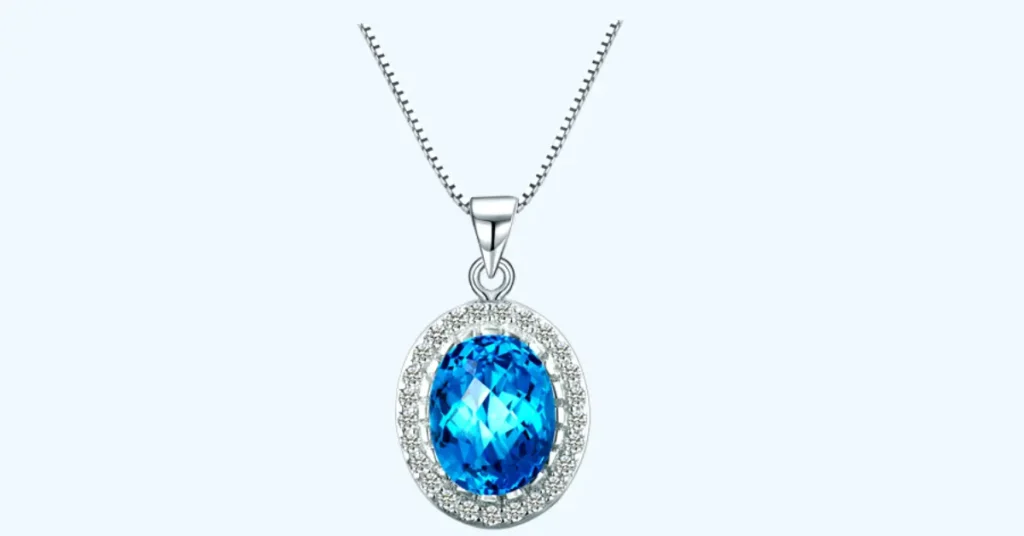
How to Clean Sterling Silver Jewelry
Sterling silver maintenance is easy with simple home methods:
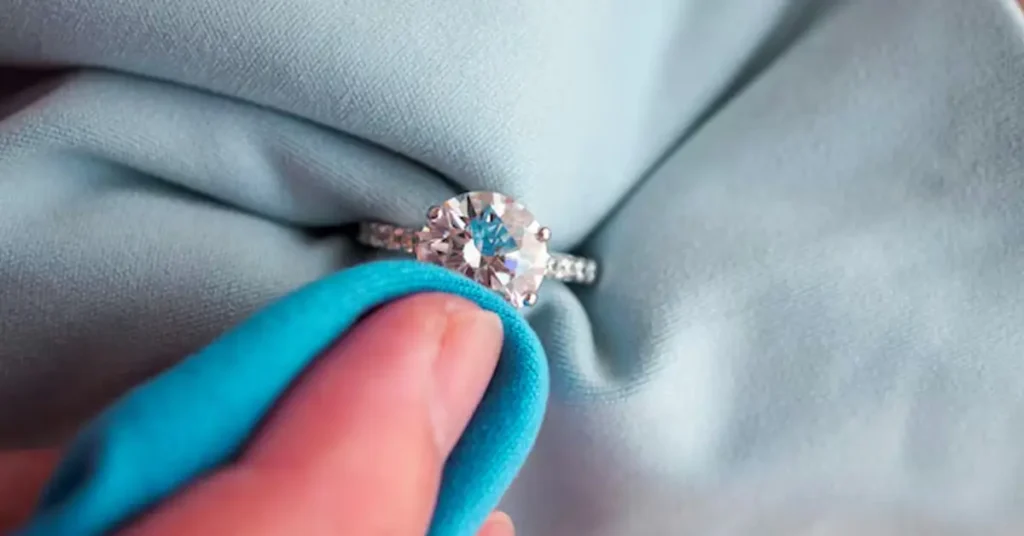
- Use a soft cloth to gently polish the jewelry.
- Mix mild soap with warm water and clean with a soft brush.
- For deep cleaning, use a silver polish or cleaner.
Read our full guide on how to clean 925 silver at home?
How to Care for Your Pure Silver and Sterling Silver Items?
Both pure and sterling silver need care:
- Avoid moisture and direct sunlight.
- Clean gently with soft cloths.
- Store in dry, cool places.
- Use protective cases or pouches for jewelry and collectibles.
How Much is Sterling Silver Worth?
925 silver is valued at about 92.5% of the price of pure silver since it contains that much real silver. Its exact value depends on the nowadays silver market price and the weight of the item. For example, if solid silver is $1 per gram, sterling silver would be about $0.92 per gram. Jewelry pieces may cost more because design, brand, and craftsmanship add extra value.
Which Silver Is More Expensive?
Fine silver is more costly than 925 sterling silver because it has a higher silver content (99.9% versus 92.5%). The difference in price is small when measured by weight, but jewelry made with pure silver can cost more. Sterling silver is usually cheaper, making it a popular choice for everyday jewelry.
Is Pure Silver Hypoallergenic?
Yes, pure silver is generally hypoallergenic because it does not contain nickel or other metals that cause skin reactions. Most people can wear pure silver safely without irritation. Sterling silver is also safe for many, but the small amount of added metals (like copper) may cause reactions in people with sensitive skin.
Why Use Sterling Silver Rather Than Pure Silver?
Sterling silver is often used instead of silver because it is stronger, more durable, and less likely to bow or be scratched. Pure silver (99.9% silver) is too soft for everyday items like jewelry, cutlery, or accessories, which is why it is mixed with alloy, usually copper, to make sterling silver (92.5% silver). This mix keeps the look of real silver while making it ideal for daily wear and long-lasting use.
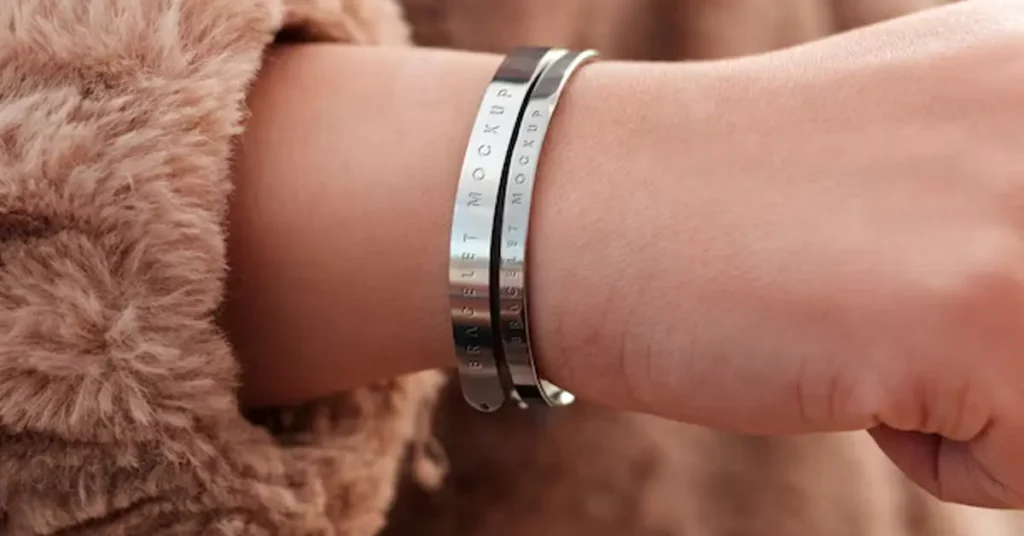
What Are The Quality Checking Tips for 925 Silver?
When buying sterling silver, always check for the “925” stamp or “S925” mark, which proves it is genuine. Avoid items that don’t have this marking. Buy from trusted jewelers or certified stores to reduce the risk of fake silver. Real sterling silver should feel slightly heavy and not lightweight like cheap metals.
For a quick home test, use a magnet; real silver is not magnetic. You can also gently rub the piece with a soft cloth; if it leaves a black mark, that’s a sign of real silver (it happens due to oxidation). Always ask for a certificate of authenticity when purchasing expensive pieces.
| Pro tip: If the deal seems too cheap, it’s probably not real sterling silver |
Read our full guide on how to check and learn more.
What do these Numbers Mean on Sterling Silver?
These numbers are called hallmarks or purity stamps, and they help buyers know they’re getting genuine silver instead of fake or silver-plated items. Always check for these numbers when buying jewelry, cutlery, or décor made of silver to ensure quality.
| Number Stamp | Silver Content | Meaning | Common Use |
|---|---|---|---|
| 999 | 99.9% pure silver | Fine/Pure Silver | Coins, bullion, investment silver |
| 925 | 92.5% pure silver | Sterling Silver | Jewelry, flatware, accessories |
| 900 | 90% pure silver | Coin Silver | Old U.S. coins, vintage items |
| 800 | 80% pure silver | Low-grade Silver | Antique silverware, decorative pieces |
Shining Choice: Sterling Silver or Pure Silver?
When it comes to silver, both sterling and pure silver have their own charm. Pure silver is softer and mostly used in coins or collectibles, while sterling silver is durable, affordable, and perfect for everyday jewelry. Many buyers get confused, but the solution is simple: choose based on your needs. If you want strong, stylish, and long-lasting jewelry, sterling silver wins. If you want maximum purity for investment, pure silver is the better pick. In the end, silver in any form will always shine bright and add timeless beauty to your life.
FAQs About Sterling Silver VS Silver
Sterling silver vs silver – Which one is better?
Sterling silver is best for jewelry because it is strong, durable, and less likely to bend. Pure silver, also called fine silver, is very soft and scratches easily. That’s why jewelers mostly use sterling silver for rings, chains, and daily wear items. Pure silver is better for collectors or coins, but not for regular jewelry.
What is 100% silver called?
100% silver is called pure silver or fine silver. It has 99.9% silver with almost no other metals mixed in. While it is the highest purity, it is very soft, so it’s not often used for jewelry. Instead, it is mainly used in coins, bars, or collectables.
Why is sterling silver so cheap?
Sterling silver is cheaper than gold and platinum because silver is more common in nature. It’s also easier to work with, which makes jewelry production less costly. Even though it’s affordable, sterling silver is still real and valuable. Many people prefer it because it gives a luxury look without the high price.
Is 925 real silver?
Yes, 925 is real silver, and it’s one of the most popular standards. The number means the item is created of 92.5% real silver and 7.5% alloy, usually copper. This mix gives it support while keeping the shine of silver. That’s why most jewelry carries a “925” stamp.
Can fake silver say 925?
Yes, some fake items are stamped with “925” to trick buyers. The stamp alone doesn’t guarantee it’s real silver. To be safe, you should buy from trusted sellers and test the silver if needed. Simple tests like the magnet test or acid test can help confirm authenticity.
Does 925 silver turn black?
Yes, 925 silver can turn black over time due to tarnish. This happens when silver reacts with air, water, or sweat. The good news is it doesn’t damage the metal and can be cleaned easily. Polishing or using silver cleaning cloths can bring back the shine.
Can sterling silver rust?
No, sterling silver cannot rust because it doesn’t contain iron. However, it can tarnish and become dull when exposed to air or chemicals. Tarnish is not permanent and can be cleaned with proper care. With regular cleaning, your sterling silver will stay shiny for years.
Which silver is of better quality?
Pure silver has the highest quality in terms of purity since it’s almost 100% silver. But it is too soft for most jewelry and can bend easily. Sterling silver has slightly less purity but offers better strength and durability. For jewelry and everyday use, sterling silver is considered the better option.
Are Chandi and silver the same?
Yes, Chandi is simply another name for silver in Hindi and Urdu. Both refer to the same precious metal. Whether it’s pure silver or sterling silver, people in South Asia often call it Chandi. The word is cultural, but the metal itself is the same.