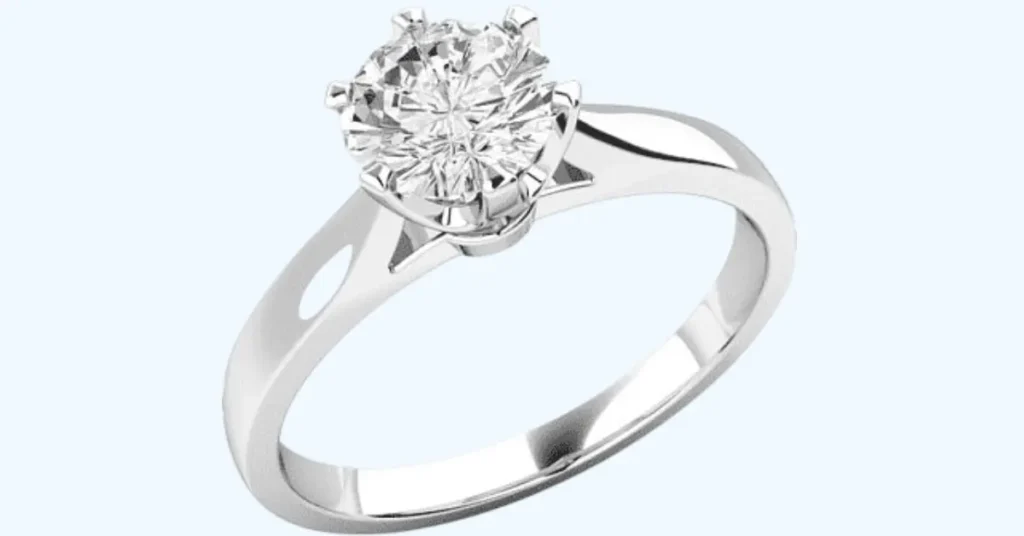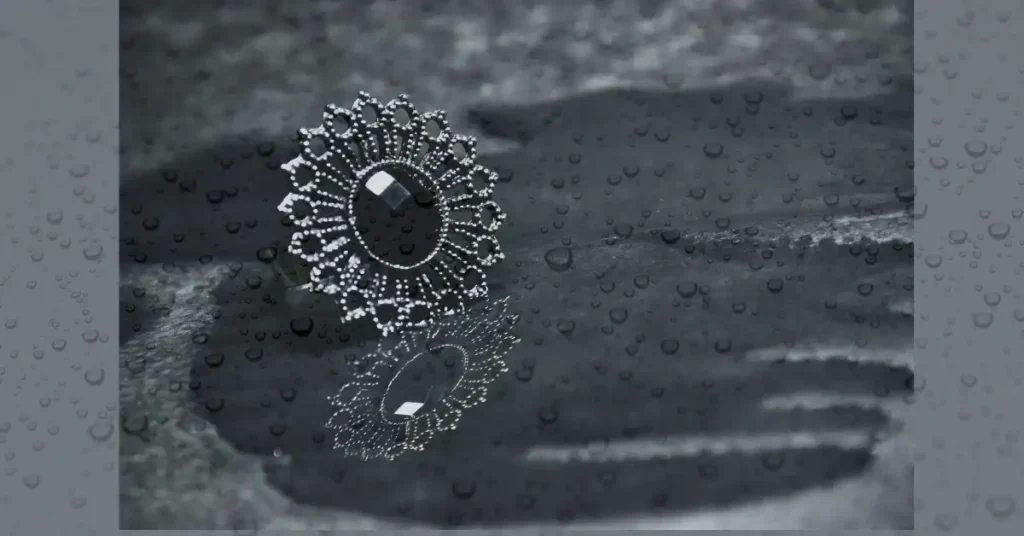
Sterling silver is not waterproof. A small splash of water won’t ruin it, but repeated contact with water, soap, salt, or chlorine will cause it to tarnish and lose its shine more quickly.
Many people are unaware of this and continue to wear their silver rings, necklaces, or bracelets everywhere, in the shower, while swimming, or even while washing dishes. After some time, they notice their jewelry turning dark, looking dull, or not shining the way it used to.
The truth is, sterling silver can last for years if you take care of it. Knowing when to wear it, when to remove it, and how to clean it properly makes all the difference. In this guide, you’ll learn how water affects sterling silver, the risks of daily wear, and the best ways to protect your jewelry so it always looks bright and beautiful.
What is Waterproof Jewelry?
Water-resistant jewelry is made to resist water without losing its shine, color, or strength. This means you can wear it while showering, swimming, or washing hands, and it won’t get damaged.
Metals like stainless steel, titanium, platinum, and solid gold are often used in waterproof jewelry. These don’t react much to water, so they stay bright and strong even with daily wear.
Is Sterling Silver Waterproof?
No, sterling silver is not waterproof. It can handle a little splash, but frequent contact with water, soap, or chemicals will make it tarnish and lose its shine.
Unlike splash-proof metals such as stainless steel or gold, sterling silver reacts to moisture and air. Over time, this reaction causes dullness and dark spots. That’s why it’s good to wear off sterling silver jewelry before swimming, showering, or doing daily chores with water.
Why Is Sterling Silver Not Waterproof?
Sterling silver has 92.5% pure silver and 7.5% alloy (mostly copper). This copper reacts with water, air, and chemicals, causing tarnish and discoloration. That’s why sterling silver cannot be classified as moisture-proof.
What Are Sterling Silver Water-Resistant Properties?
Sterling silver is not fullytarnish-resistant, but it does have some water-resistant properties. This means it can handle small amounts of moisture without immediate damage. Here are its main properties:
- Splash Resistant: Safe against light rain or quick hand washing.
- Short-Term Safe: Can survive brief contact with water but not long exposure.
- Reactive to Moisture: Water speeds up tarnish because of the copper mixed with silver.
- Not Chlorine or Salt Safe: Pool and seawater damage it quickly.
- Needs Drying: Must be dried properly after getting wet to avoid dark spots.
In simple words, sterling silver can resist little splashes, but it’s not safe for swimming, showering, or daily water exposure.

Is 925 Sterling Silver Waterproof Or Water-Resistant?
925 sterling silver is not waterproof. Instead, it is considered water-resistant, which means it can handle small amounts of water but not long or repeated exposure.
Waterproof Jewelry
Waterproof jewelry is designed to stay safe in water all the time. You can swim, shower, or even wear it daily without worrying about damage. Metals like stainless steel, platinum, and solid gold fall into this category because they don’t react with water or chemicals.
Water-Resistant Jewelry
Water-resistant jewelry can handle brief splashes or short contact with water, but will still get damaged if exposed too often. 925 sterling silver belongs here. It can survive hand washing or light rain, but if worn in the shower, pool, or ocean, it will tarnish quickly and lose shine.
In short, 925 sterling silver is water-resistant, not rust-proof. It needs extra care to maintain its shine and beauty.
How Water Affects Sterling Silver?
Water has a big impact on 925 sterling silver. Water doesn’t destroy sterling silver immediately, but it slowly tarnishes, corrodes, and discolors it over time. That’s why drying and cleaning after water contact is important.
While short contact may not harm it, frequent or long exposure can cause visible changes. Here’s how:
1. Tarnish
When sterling silver comes in contact with water, especially if it has minerals or chemicals, the copper inside reacts with oxygen and sulfur. The silver darkens and forms a dull, grayish or black layer. So wearing a sterling silver ring while washing hands daily can speed up tarnishing.
2. Rust (Not True Rust, but Corrosion)
Silver itself doesn’t “rust” like iron, but the copper content can corrode when exposed to water for too long. Small spots or uneven patches may appear on the jewelry surface. If you leave a silver chain wet after swimming can lead to tiny greenish or brown spots.
3. Discoloration
Water with chlorine, salt, or minerals can change silver’s color. It may turn yellow, green, or even black, depending on the type of water. Like saltwater at the beach often leaves sterling silver looking dull and grey.
How Freshwater, Saltwater, And Chlorine Affect 925 Silver?
| Type of Water | Effect on Sterling Silver | Why It Happens |
|---|---|---|
| Freshwater (Tap/Rain) | Mild tarnish, water spots over time | Minerals (calcium, magnesium) leave dull marks |
| Saltwater (Sea/Ocean) | Fast tarnish, corrosion, discoloration | Salt attacks copper in sterling silver |
| Chlorine Water (Pool/Hot Tub) | Strong discoloration, dull shine, dark spots | Chlorine reacts with silver + copper |
Can I Wear Sterling Silver Jewelry Daily?
Sterling silver is strong enough for everyday use, but it still needs care. Wearing it daily keeps the surface polished because of natural friction with skin and clothes. However, constant contact with sweat, lotions, and perfumes can speed up tarnish.
For rings, bracelets, and necklaces, daily wear is safe as long as you avoid harsh chemicals and water exposure. If you clean and store it properly, sterling silver can stay shiny and last for many years.
Can I Wear Sterling Silver Jewelry In The Shower?
It’s not a good idea to wear sterling silver while bathing. Tap water may seem safe, but minerals, soaps, and shampoos can leave marks and speed up tarnish. Hot water and steam also weaken the shine over time.
If you forget once in a while, it won’t damage your jewelry instantly. But for long-lasting shine, it’s best to wear off your silver before showering.
Is It Safe to Wear Sterling Silver In Swimming and Water Sports?
Sterling silver is not safe to wear while swimming. Both pool and seawater can damage it quickly. Chlorine in pools reacts with silver and leaves dark stains. Saltwater from the ocean speeds up tarnish and can even cause corrosion.
If you swim often, it’s best to take off your silver jewelry before entering the water. This simple step helps protect its shine and prevents long-term damage.
When to Wear Sterling Silver Safely?
Sterling silver is safe to wear during most daily activities like working, casual outings, or indoor events. It shines best when worn in dry conditions and away from water or harsh chemicals.
Avoid wearing it while swimming, showering, or cleaning with strong products. Instead, wear it for dinners, office wear, or casual use where it won’t come into contact with moisture. This way, your jewelry stays beautiful for years.
How to Protect Silver Jewelry from Water Damage?
Keeping your sterling silver safe from water is simple if you follow a few care tips:
- Remove before water activities – Take off your jewelry before swimming, showering, or washing dishes.
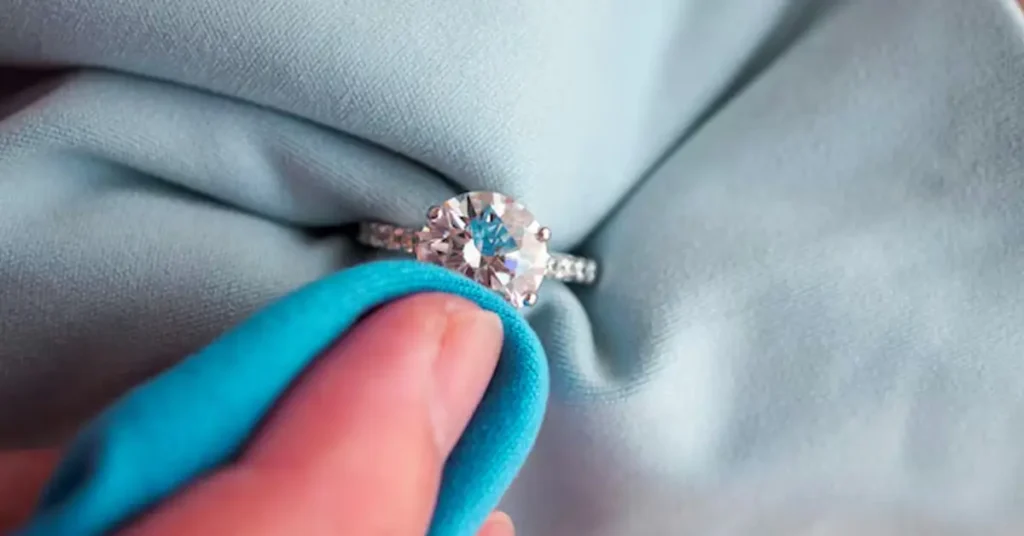
- Dry immediately – If silver gets wet, pat it dry with a soft cloth instead of letting it air-dry.
- Store properly – Keep silver in an airtight bag or anti-tarnish box to block moisture.
- Use protective coating – Some people use clear jewelry spray or lacquer to add an extra layer of safety.
- Clean regularly – Wipe your silver with a polishing cloth to maintain its shine and prevent buildup.
With these simple habits, you can protect your silver from dullness and enjoy its shine for years.
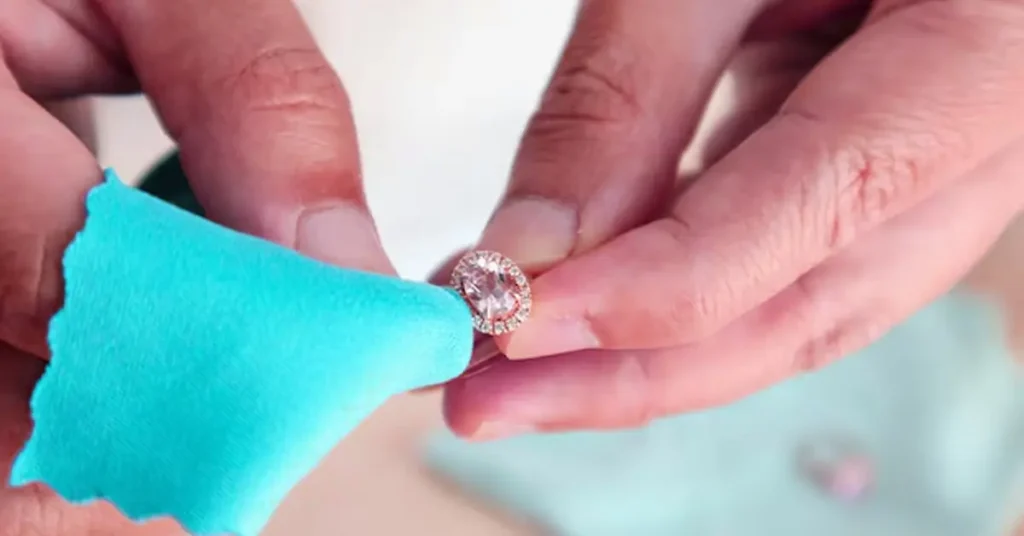
How To Restore Tarnished Jewelry?
If your sterling silver loses its shine, don’t worry, it can be restored. A simple polishing cloth works for light tarnish, while mild soap and water or a baking soda paste can clean deeper stains. For heavily tarnished pieces, professional cleaning is the best option. With regular care, your silver will stay bright and beautiful for years.
Keep Your Silver Safe And Shiny
Sterling silver is a classic choice for jewelry, loved for its shine and durability. But it’s not completely durable against water. Contact with water, especially saltwater and chlorine, can speed up tarnish and cause discoloration.
The good idea is, with a little care, your silver can last for years. Always remove it before swimming, showering, or cleaning with strong products. Store it in a dry place, clean it regularly, and use a polishing cloth to keep the shine alive.
With these simple habits, your sterling silver jewelry will stay beautiful, bright, and ready to wear every day.
FAQs About Is Sterling Silver Waterproof?
Is sterling silver ok to get wet?
Sterling silver can handle small splashes, like washing hands or light rain, but it’s not fully waterproof. Prolonged contact with water causes dullness, spots, and tarnish. If your jewelry does come into contact with water, dry it immediately with a cloth. Keeping it dry will make it last longer.
Can sterling silver be worn daily?
Yes, sterling silver is strong enough for daily wear. In fact, regular use can keep it polished because of natural friction with your skin. But chemicals, sweat, and water exposure can still affect its shine. With proper care, it can stay stylish for years.
Does 925 silver turn black?
Yes, 925 sterling silver can turn black due to tarnish. This happens when silver reacts with air, water, or chemicals like perfumes. Tarnish is natural and doesn’t mean your jewelry is ruined. A quick polish or cleaning can restore its shine easily.
Can toothpaste clean sterling silver?
Toothpaste is often suggested as a home remedy for cleaning silver, but it’s not the best option. Its gritty texture can scratch the surface of your jewelry. Instead, use a silver polishing cloth or a mild cleaner for safe results. This way, your jewelry stays shiny without damage.
What silver is waterproof?
No silver is completely waterproof, including sterling silver and pure silver. Both can tarnish or lose shine when exposed to water, especially saltwater and chlorine.
However, some silver jewelry like rhodium-plated and Argentium silver, is coated with rhodium or protective plating, which makes it more resistant to water damage. To keep silver safe, it’s best to avoid long water exposure and clean it regularly.