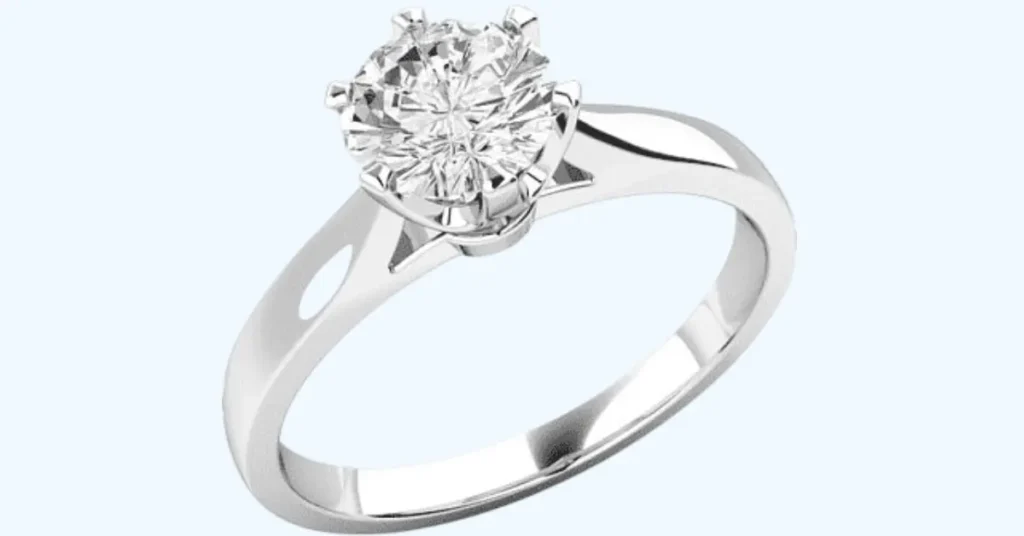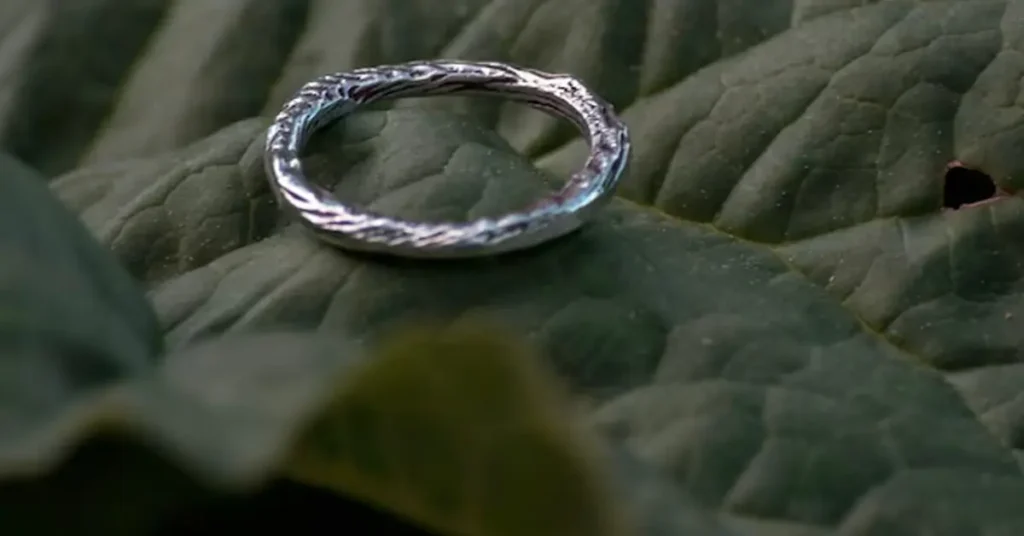
Many people face the same struggle, loving silver jewelry but dealing with constant irritation. Earrings that cause itching, rings that leave red marks, or bracelets that cause rashes are common problems. This makes people think silver isn’t safe for them.
But the truth is, not all silver jewelry is created equal. Some contain nickel or mixed alloys that react with sensitive skin. That’s why choosing the wrong type of silver often leads to discomfort.
The good news is that if you’re asking, “is sterling silver hypoallergenic?”, the answer is yes for most people. It’s safe for sensitive skin, strong enough for daily use, and just as beautiful as other silver jewelry. With this guide, you’ll learn how to enjoy silver without worrying about irritation or allergies.
What Does Hypoallergenic Mean?
Hypoallergenic means an item is slighter likely to cause an allergic reaction. It doesn’t mean allergy-proof, but it does lower the risk. In jewelry, the term is used when metals are free from irritants like nickel, which is one of the biggest causes of skin problems. This makes it more comfortable to wear daily without worrying about rashes, itching, or irritation.
Is All Silver Hypoallergenic?
No, not all silver is skin-friendly metals. Pure silver is safe but too soft for daily wear, so it’s usually mixed with other metals to make sterling silver. While copper is mostly safe, some cheaper pieces may contain nickel, which often causes skin reactions. That’s why only nickel-free sterling silver can truly be called hypoallergenic.
What Are Nickel And Common Jewelry Allergies?
Nickel skin irritation from jewellery often presents as redness, itching, or small rashes where the jewellery comes into contact with the skin. If your ears, fingers, or neck feel irritated after wearing certain pieces, nickel is likely the cause.
Most jewelry allergies come from metals like nickel, copper, or brass mixed with silver or yellow gold. These metals can trigger skin reactions, especially when jewelry is worn for long hours or exposed to sweat and water.
Is Sterling Silver Hypoallergenic?
Sterling silver is mostly hypoallergenic, but it depends on what metals are mixed with it. Sterling silver is 92.5% real silver and 7.5% alloy. When that 7.5% is copper, it’s usually safe for sensitive skin. To be safe, always choose sterling silver that is clearly marked as nickel-free or anti-allergy jewelry.
What Makes Sterling Silver Hypoallergenic?
Sterling silver is hypoallergenic good for sensitive ears when it’s mixed with safe metals like copper instead of nickel. Since nickel is the main cause of skin allergies, nickel-free sterling silver or rhodium-plated pieces are much safer for sensitive skin.
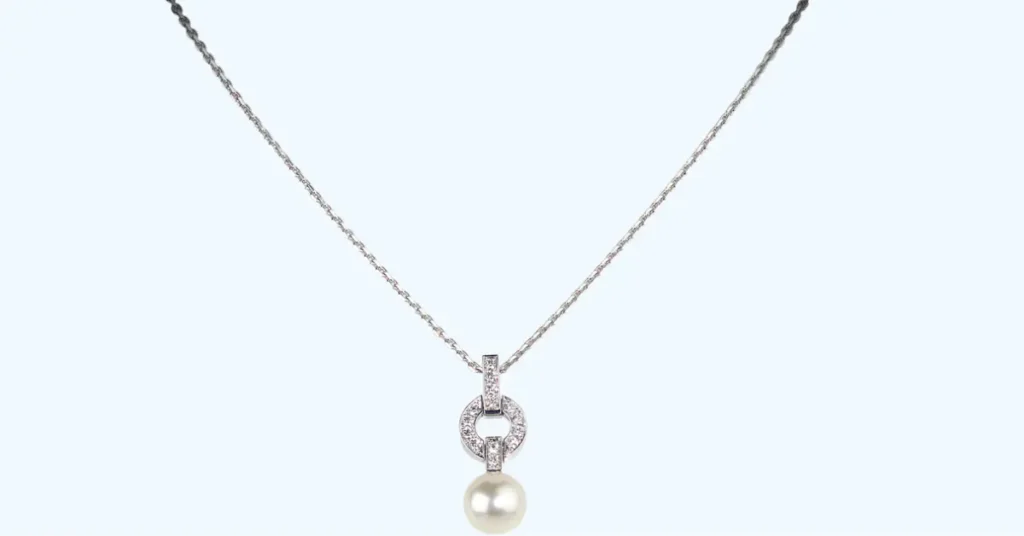
What Are The Benefits of Hypoallergenic Sterling Silver?
Hypoallergenic sterling silver is safe for sensitive skin, preventing rashes and irritation. It also offers durability, comfort, and long-lasting shine.
Enjoy High Quality Materials
Hypoallergenic sterling silver is crafted from 92.5% real silver and safe alloys, such as copper, instead of nickel. This makes the jewelry not only safe but also strong and elegant. You get the same shine and beauty of silver while avoiding harmful metals.
Avoid Rashes
One of the biggest advantages is skin safety. Nickel is the main cause of rashes, itching, or red marks from jewelry. Hypoallergenic sterling silver removes this problem, giving you pieces that look good and feel safe on your skin.
Comfortable to Wear
Since it doesn’t irritate the skin, hypoallergenic sterling silver is very comfortable. You can wear earrings, rings, or necklaces all day without worrying about pain or itching. This makes it perfect for daily use.
Durable
Sterling silver is stronger than pure silver, and when it’s hypoallergenic, you get both durability and safety. With proper care, the jewelry stays shiny, resists tarnish longer, and can last for many years.
How to Identify and Choose Hypoallergenic Sterling Silver?
Look for a 925 stamp which shows it’s genuine sterling silver. Always check labels like nickel-free or hypoallergenic, and buy from trusted jewelers to avoid mixed alloys that may cause allergies.
How to Choose the Right Jewelry?
Always buy from reliable jewelers or trusted online stores. Look for the 925 stamp on sterling silver, which shows it’s genuine. Pick jewelry pieces labeled nickel-free or anti-allergy. These are safer for people with sensitive skin and less likely to cause irritation.
How to Make Sure It’s Hypoallergenic?
Ask the seller about the metals mixed with silver. Some sterling silver has small amounts of nickel, which can trigger allergies. A good choice is rhodium-plated sterling silver, as it adds a protective layer and reduces skin reactions.
What Are Caring Tips for Hypoallergenic Sterling Silver Jewelry?
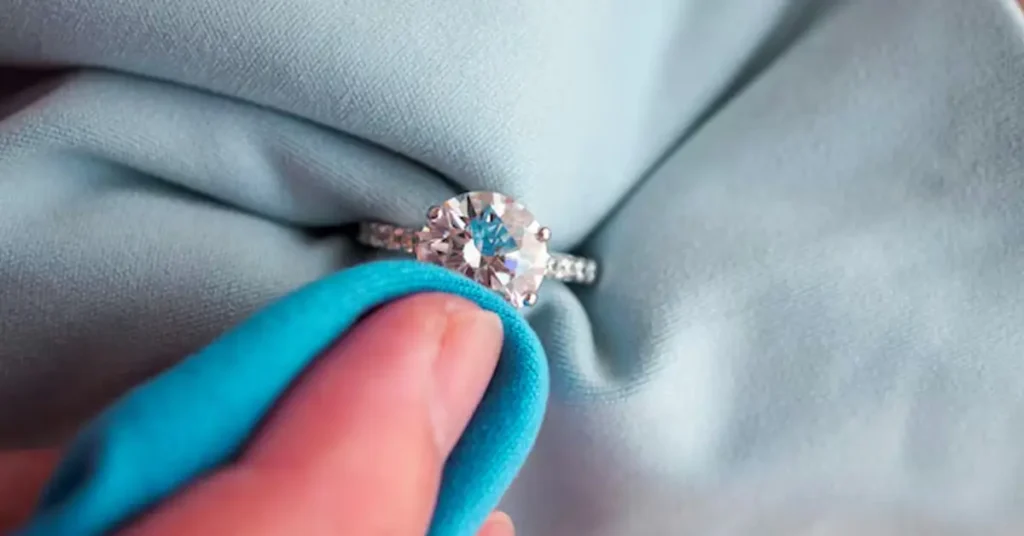
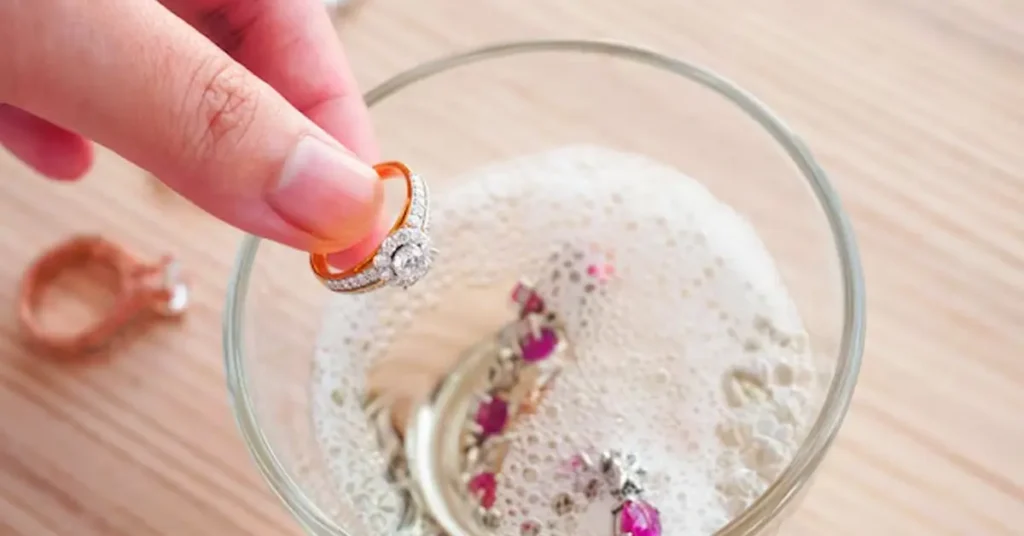
To keep your sterling silver jewelry safe and skin-friendly, clean it gently with a gentle cloth to remove dirt and oils. Store it in a dry, air-tight box or pouch to prevent tarnish. Avoid wearing it while swimming, showering, or using lotions, as moisture and chemicals can damage the silver. With regular care, your non-irritating jewelry will stay shiny, durable, and comfortable to wear.
Why Sterling Silver Causes Allergy?
Some people may react to sterling silver because it isn’t pure silver. Sterling silver is 92.5% solid silver and 7.5% alloy, often copper or sometimes nickel. The jewelry rash usually comes from these mixed metals, not the silver itself.
Symptoms can include redness, itching, swelling, or small rashes where the jewelry touches your skin. Choosing nickel-free or rhodium-plated sterling silver is the best way to avoid these reactions while still enjoying stylish jewelry.
Why Some People React to Sterling Silver?
Some people react to sterling silver because it may contain traces of nickel. Even small amounts can trigger redness, itching, or rashes in sensitive skin. Tarnish buildup and sweat can also make reactions worse over time.
How Sterling Silver Affects Sensitive Ears?
Ears are more sensitive than other parts of the body, so they react quickly to metals. If sterling silver contains nickel, it can cause discomfort in pierced ears. Nickel-free or rhodium-plated sterling silver is safer and more comfortable for sensitive ears.
How To Prevent Allergies to Sterling Silver For Sensitive Skin?
If you have sensitive skin, proper jewelry care is the key to avoiding allergies. Always your sterling silver with a gentle cloth to take away sweat, oils, or dust that may irritate the skin. Keep your pieces dry and avoid contact with perfumes, lotions, or cleaning products, as these can trigger reactions.
Storing jewelry in an air-tight box also reduces tarnish, keeping it safe for daily wear. With the right care, you can enjoy the beauty of sterling silver without worrying about discomfort.
Alternatives to Sterling Silver for Sensitive Skin
If your skin reacts to sterling silver, don’t worry, you still have safe options.
Stainless Steel
Stainless steel is strong, rust-free, and usually nickel-free. It’s a safe and affordable choice for people with sensitive skin.
Titanium
Titanium is lightweight, very durable, and completely hypoallergenic. It’s especially good for earrings and body jewelry.
Platinum
Platinum is a premium option that doesn’t tarnish and is highly safe for sensitive skin. It’s expensive but lasts for a lifetime.
Gold (14k and Above)
High-quality gold, like 14k or 18k, is gentle on skin. Lower karat gold may contain more alloys that can cause irritation or an allergic reaction to fake gold.
Rhodium-Plated Jewelry
Rhodium coating adds shine and acts as a protective layer, reducing the chance of allergic reactions.
What Is Rhodium-Plated Sterling Silver?
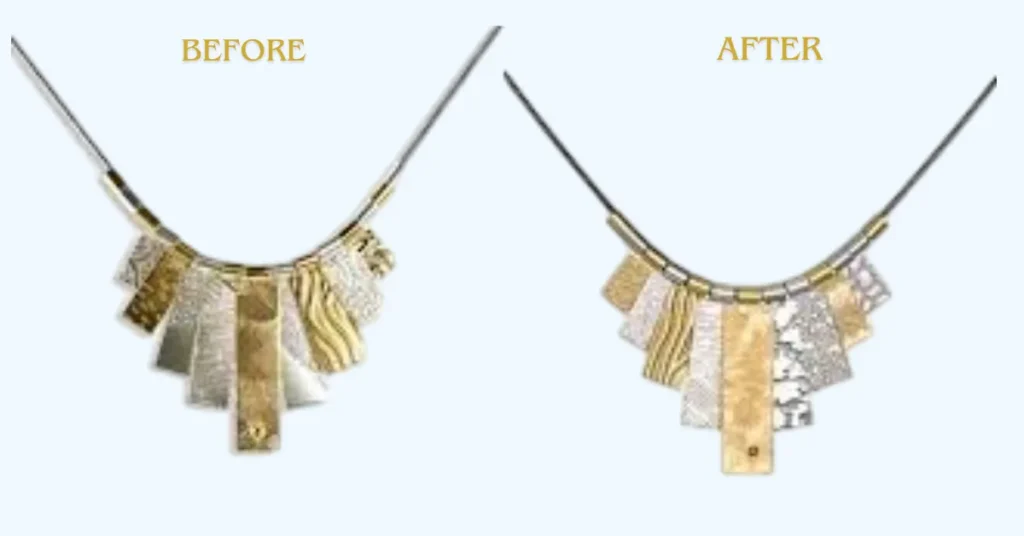
It is 925 silver that is coated with a thin layer of rhodium. This shiny metal makes the jewelry brighter, more durable, and resistant to tarnish. It also helps reduce skin reactions, making it a safer choice for sensitive skin.
What Are The Benefits of Rhodium-Plated 925 Silver For Sensitive Skin?
Rhodium plating creates a smooth, protective layer over sterling silver. This reduces direct contact with alloys like copper, making it a safer and more comfortable choice for people with sensitive skin.
How Do I Know if I’m Allergic to a Metal?
You may be allergic to a metal or ring if your skin becomes red, itchy, or develops small bumps after wearing jewelry. These reactions usually happen where the metal touches your skin, like ears, fingers, or neck. If the irritation appears quickly and improves once you remove the jewelry, it’s a strong sign of metal allergy.
Shine Without the Itch: Choosing Hypoallergenic Sterling Silver
Sterling silver can be a beautiful and safe choice, especially when it’s allergy-free silver. For people with sensitive skin, picking the right jewelry matters just as much as style. By choosing nickel-free or rhodium-plated sterling silver, caring for it properly, and knowing the signs of allergies, you can enjoy stunning pieces without discomfort. The right knowledge helps you wear your silver with confidence, comfort, and lasting shine.
FAQs About Sterling Silver Allergy
Is sterling silver ok for sensitive skin?
Sterling silver is generally safe for people with sensitive skin. The problem happens when sterling silver contains nickel, which can cause irritation. To be safe, look for sterling silver labeled as nickel-free or rhodium-plated. This way, you can enjoy wearing it without worrying about rashes or itching.
What is the most hypoallergenic silver?
The most hypoallergenic silver is fine silver, which is 99.9% pure. Because it has very little or no added metals, it rarely causes allergic reactions. However, it is softer than sterling silver and may scratch more easily. For both safety and durability, rhodium-plated sterling silver is also a strong choice.
Is it safe to wear sterling silver every day?
Yes, it’s safe to wear sterling silver daily as long as your skin doesn’t react to it. Since it may contain metals like copper or nickel, some people may notice mild irritation. Keeping your jewelry clean and dry helps reduce these chances. If you notice a rash, it’s better to switch to nickel-free or plated silver.
Is sterling silver an anti-allergy?
Sterling silver itself is not fully anti-allergic. It depends on what metals are mixed in with the silver. If it has nickel, it may cause a reaction in sensitive skin. Choosing hypoallergenic sterling silver, such as rhodium-plated options, can make it much safer to wear.
Can sterling silver trigger eczema?
Yes, in some cases sterling silver can make eczema worse. This usually happens if the silver contains nickel or if sweat and moisture react with the metal. The skin may become itchy, red, or irritated where the jewelry touches. To avoid this, choose hypoallergenic pieces and keep your jewelry clean and dry.